MESSAGE
If you have any questions, please contact us and we will contact you as soon as possible.
‹
›
‹
›
◉ PRODUCT SPECIFICATION
Product Description
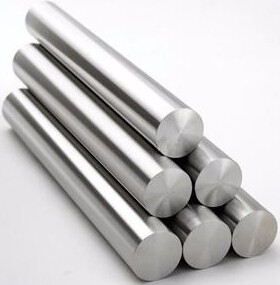
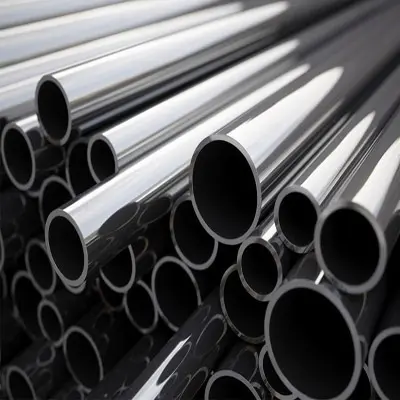
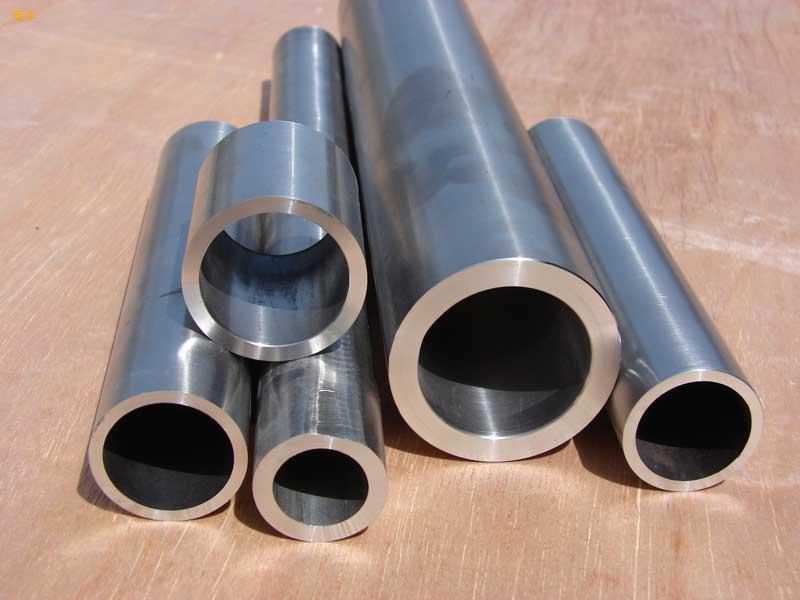
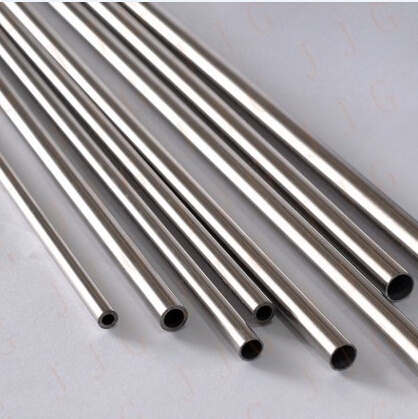
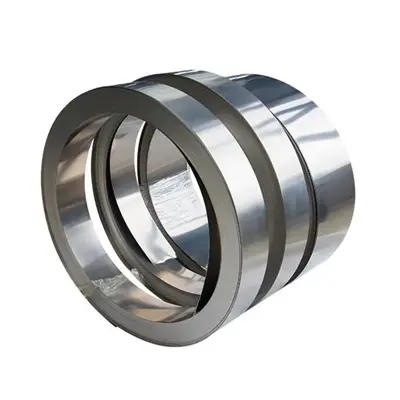
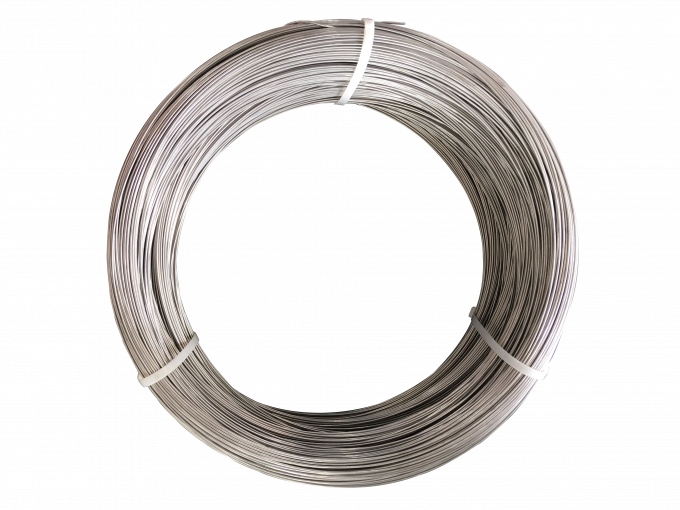
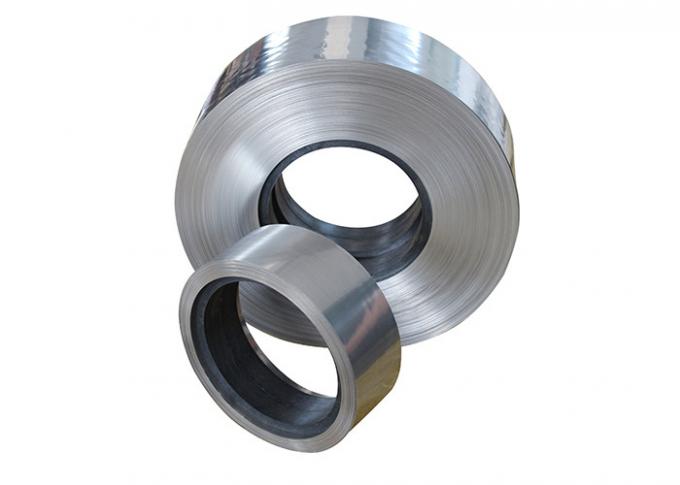
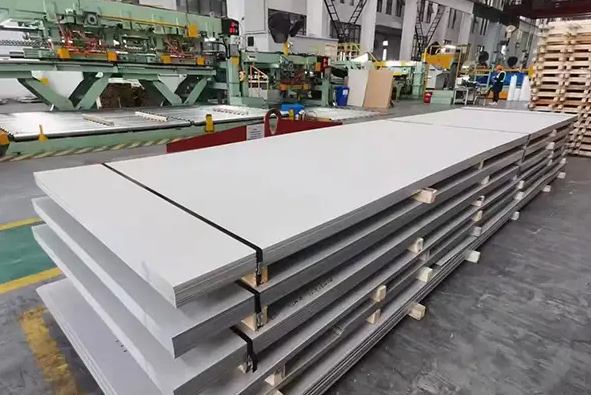
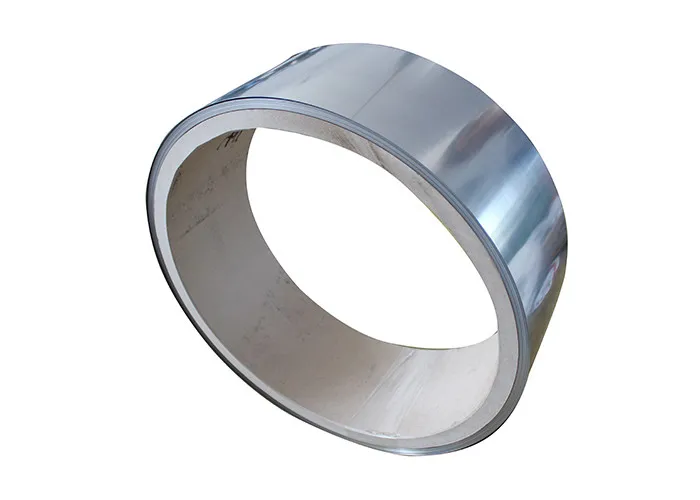
254 SMO stainless steel, also known as UNS S31254, was originally developed for use in seawater and other corrosive chlorine environments. This grade is considered to be very high-end austenitic stainless steel; The main components are 19.5% to 20.5% chromium, 17.5% to 18.5% nickel, 6% to 6.5% molybdenum, and 0.18% to 0.22% nitrogen. These specific amounts of Cr, Ni, Mo and N in this “super austenitic” chemical composition enable 31254 to combine impact toughness against corrosion cracking with resistance to pitting and crevice corrosion. Its strength is almost twice that of 300 series stainless steel.
Due to the molybdenum content, UNS S31254 is often referred to as the “6% Molybdenum” grade; The 6% Moly series is able to withstand high temperatures and maintain strength under volatile conditions. The grade has gone beyond its original intent and overlaps with many industries, proving useful due to its high molybdenum content in other elements, which has enabled the 31254 to be successfully used in a variety of applications, such as flue gas desulfurization and chemical environments
Common Trade Names:
254 SMO / UNS S31254 / W.Nr 1.4547 / F44 /6MO
Specifications:
ASTM: S31254 / A182 / A276 / A479 / A240 / A312 / A312
ASME: S31254 / SA182 / SA276 / SA479 / SA240 / SA312 / SA312
Chemical Composition
Physical Properties
Mechanical Properties
Fabrication and Heat Treatment
Machinability
Stainless steel grade 254 SMO™ is quite tough to machine due to the extremely high work hardening rate and lack of sulfur content; however using sharp tools, overpowered machine tools, positive feeds, good amount of lubrication, and slow speeds tend to provide good machining results.
Welding
Welding of stainless steel grade 254 SMO™ requires filler material without which it results in poor strength properties. Filler metals such as AWS A5.14 ERNiCrMo-3, and alloy 625 are recommended. Electrodes used in the process, have to match with AWS A5.11 ENiCrMo-12.
Annealing
Annealing of this material should be performed at 1149-1204°C (2100-2200°F), which should be followed by a water quench.
Hot Working
Forging, upsetting and other operations relating to this material can be performed at 982 – 1149°C (1800 – 2100°F). It is recommended that temperatures do not exceed this range as it would result in scaling and reduction in the workability of the material. To re-attain maximum corrosion resistant properties, it is advisable to perform post-process annealing.
Cold Working
Cold working can be carried out using all the traditional methods; however the process would be tough due to its high work hardening rate. The result will provide the material with increased strength and toughness.
Hardening
Stainless steel grade 254 SMO™ does not respond to heat treatment. Hardening is possible only through cold reduction.
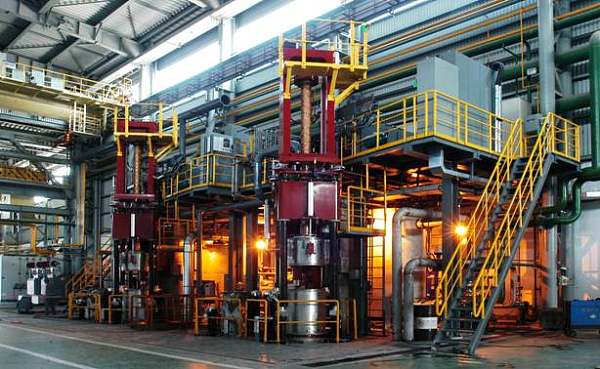
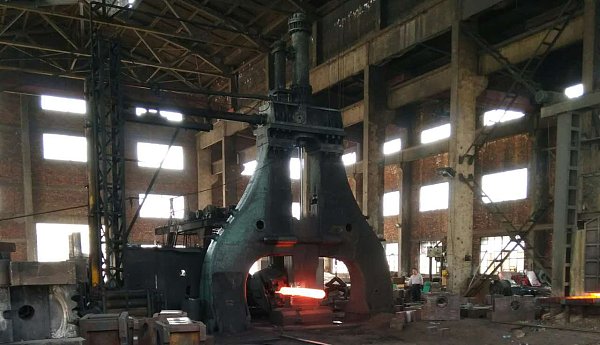
◉ Factory Show
◉ MESSAGE
◉ SIMILAR RECOMMENDED
 ERNiCrMo-3/UNS N06625/W. Nr. 2.4806 AWS A5.14 Wire
 Super Invar 32-5 Sheet Plate 4J32/K93500/Super Invar Sheet Plate
 NILO 4J36 Tube Pipe UNS K93600 & K93601/W. Nr.1.3912 Ultra-low expansion iron-nickel alloy Tube Pipe
 Hastelloy Alloy B-3/UNS N10675/W. Nr. 2.4600
 Monel Alloy 400/UNS N04400/W.Nr. 2.4360
 Incoloy 800/Alloy 800/UNS N08800/W.Nr. 1.4876
 Inconel 625 Alloy | Nickel Alloy 625 Supplier and Manufacturer
 Inconel 718 Alloy | UNS N07718 Nickel Superalloy Supplier
 17-4PH UNS Strip Ring S17400/W.Nr:1.4542 stainless steel Strip Ring
 AL-6XN Stainless Steel / N08367 /
 PH13-8 / S13800 / W.Nr 1.4534 /Alloy 13-8 stainless / PH13-8 Mo
 F55 Duplex Stainless Steel
") F44 (254 SMO )
F44 (254 SMO ) 17-7PH / 1.4568 Stainless Steel /631 Precipitation Hardening Stainless Steel
 Nitronic 60 / UNS S21800 / Alloy 218 stainless steel
 Nitronic 50
 904L Stainless Steel
 CuNi1 Wire 210 MPA 0.03mm Soft Copper Aluminium Nickel Alloy
 Bright 420 MPA 50mm Soft CuNi44 Heating Nickel Copper Rod
 0.5mmx180mm Soft MPA CuNi34 Nickel Copper Alloy 400
 CuNi10/CuNi30 Copper Nickel Alloy Strip High Conductivity Corrosion Resistant for Marine & Industrial Use
Thank you very much for writing to us. Please leave your message and contact information, we will reply to you within 24 hours.