MESSAGE
If you have any questions, please contact us and we will contact you as soon as possible.
‹
›
‹
›
◉ PRODUCT SPECIFICATION
Precipitation-Hardened Nickel Alloy for High-Strength and High-Temperature Applications
Inconel 718, also known as Alloy 718 or UNS N07718, is a precipitation-hardened nickel-iron-chromium alloy developed for applications requiring high tensile strength, excellent fatigue resistance, good creep performance, and reliable mechanical properties at elevated temperatures.
The alloy is widely used in aerospace, gas turbine, power generation, oil and gas, and other industries where components must withstand high mechanical loads, cyclic stress, vibration, and demanding thermal conditions.
What Makes Inconel 718 Different?
The primary characteristic of Inconel 718 is its precipitation-hardening mechanism. Unlike solid-solution-strengthened alloys, Inconel 718 obtains much of its strength through controlled heat treatment that forms strengthening phases within the nickel-based matrix.
The key alloying elements include:
Nickel
Chromium
Iron
Niobium
Molybdenum
Titanium
Aluminum
Niobium plays a major role in the formation of strengthening precipitates. Titanium and aluminum also contribute to precipitation hardening. This metallurgical design allows Inconel 718 to achieve high strength while maintaining useful corrosion resistance and fabrication performance.
Typical Chemical Composition of Inconel 718
The exact chemical composition must be verified according to the relevant product standard and heat certificate.
Main Properties of Inconel 718
High Mechanical Strength
Inconel 718 can achieve very high tensile and yield strength after the required solution treatment and aging process. This makes it suitable for load-bearing components exposed to high stress.
Excellent Fatigue Resistance
The alloy is commonly selected for rotating parts, fasteners, shafts, discs, and other components exposed to cyclic loading.
Good Creep and Stress-Rupture Performance
Inconel 718 maintains useful strength at elevated temperatures and is widely used in applications involving sustained loads and thermal exposure.
Good Oxidation and Corrosion Resistance
The chromium content contributes to oxidation and corrosion resistance in many high-temperature environments. Nevertheless, material selection should always consider the actual chemical medium and operating temperature.
Suitable for Complex Engineering Components
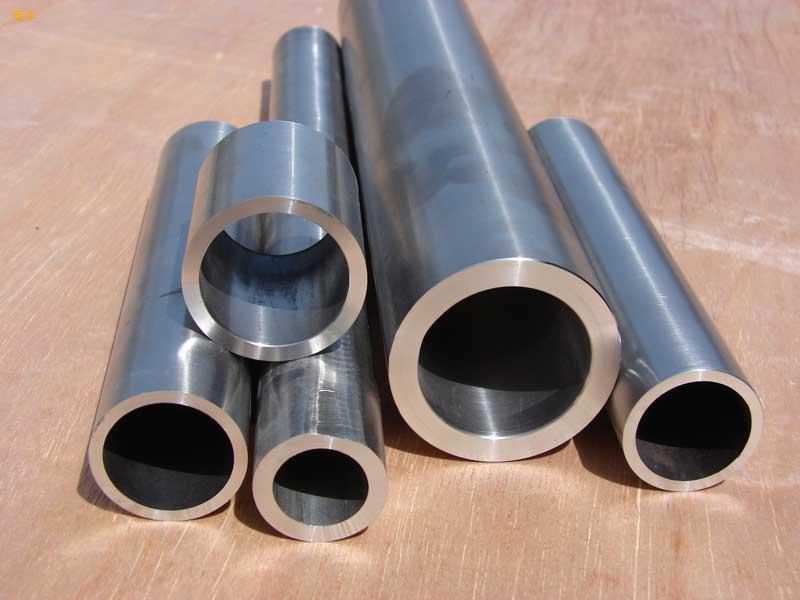
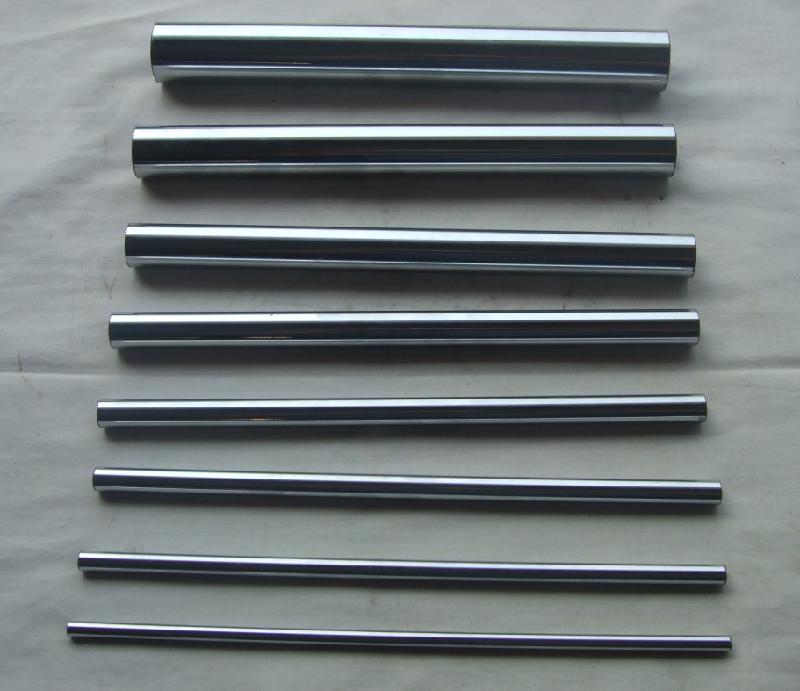
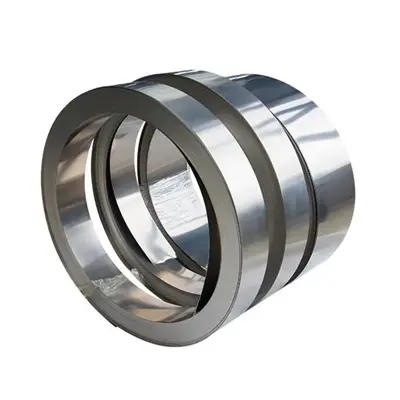
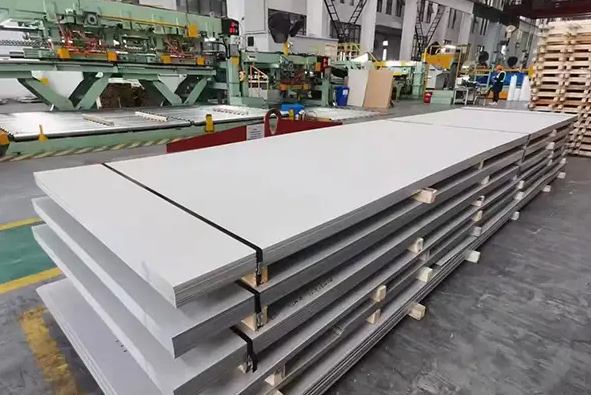
Inconel 718 can be processed into bars, forgings, sheets, plates, rings, fasteners, and other engineered forms. Machining may be more demanding than with conventional steels because of its work-hardening tendency and high strength.
Typical Product Forms
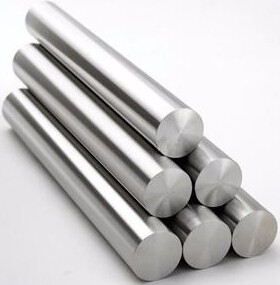
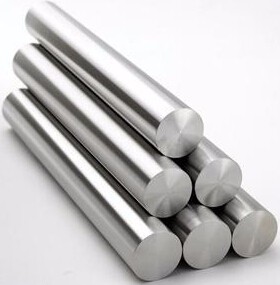
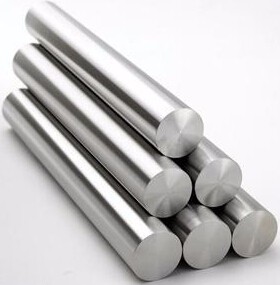
Round bars
Forged bars
Billets
Plates
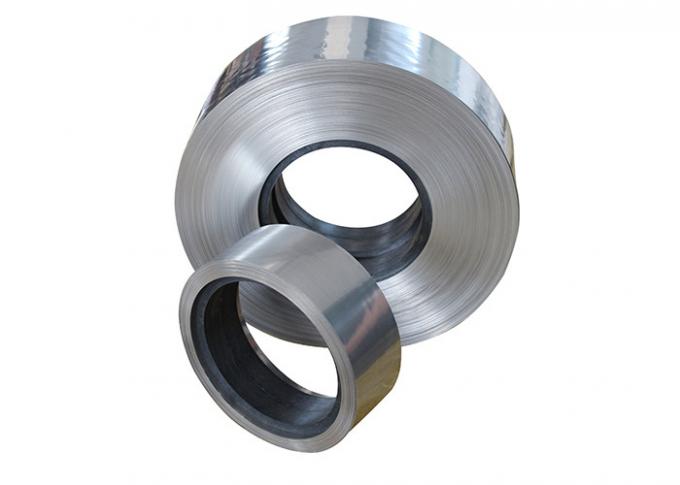
Sheets
Rings
Forgings
Shafts
Fasteners
Aerospace components
Custom-machined parts
Welding products, where applicable
Common Standards
Depending on the product form and end-use industry, Inconel 718 may be specified under:
ASTM B637 — Nickel alloy bars, forgings, and rings
ASTM B670 — Nickel alloy plate, sheet, and strip
ASTM B637-related purchasing requirements for high-strength product forms
AMS 5662 — Corrosion- and heat-resistant nickel alloy bars, forgings, and rings
AMS 5596 — Nickel alloy sheet, strip, and plate
UNS N07718
ASME SB-637 or other applicable ASME specifications
The required standard should be selected according to the product form and intended application. Aerospace and power-generation buyers may also require AMS, OEM, or project-specific specifications.
Heat Treatment of Inconel 718
Inconel 718 is normally supplied in a controlled heat-treated condition when high mechanical strength is required. A typical industrial heat-treatment route may include:
Solution treatment
Controlled cooling
Aging treatment
Final inspection and mechanical testing
The exact temperatures, holding times, cooling method, and aging sequence must follow the applicable specification. Buyers should not rely on a generic heat-treatment description when purchasing material for safety-critical applications.
Machining Considerations
Inconel 718 is considered a difficult-to-machine alloy because it:
Work-hardens rapidly
Retains high strength during cutting
Generates considerable cutting heat
Can cause accelerated tool wear
Requires rigid machine setup
Benefits from suitable carbide or advanced cutting tools
Requires carefully controlled cutting speed and feed
Machining parameters should be selected based on the supplied condition, hardness, geometry, tool material, coolant, and required surface finish.
Applications of Inconel 718
Inconel 718 is widely used for:
Aircraft engine components
Gas turbine discs
Turbine shafts
Engine fasteners
High-temperature bolts
Aerospace rings and forgings
Oil and gas downhole tools
High-pressure components
Nuclear power equipment
Cryogenic components
Rocket engine parts
Industrial gas turbines
High-strength springs and structural components
Inconel 718 vs. Inconel 625
Selection guidance: Inconel 718 is often preferred for high-strength components subjected to mechanical and cyclic loads. Inconel 625 is often preferred when corrosion resistance, weldability, and resistance to aggressive chemical environments are the dominant requirements.
Purchasing Checklist for Inconel 718
A complete inquiry should include:
UNS or material grade
Product form
ASTM, ASME, AMS, or OEM standard
Dimensions and tolerances
Heat-treatment condition
Tensile and yield strength
Elongation and reduction of area
Hardness requirements
Grain size requirements
Ultrasonic or other NDT requirements
Material test certificate requirements
Traceability and batch identification
Quantity and delivery schedule
Request a Quotation for Inconel 718
For Inconel 718 bars, plates, forgings, rings, or other product forms, contact Alloysfactory with your required grade, dimensions, standard, quantity, and application information.
Official website: alloysfactory.com
The sales team can help confirm the appropriate product form, supply condition, documentation, inspection requirements, and delivery options.
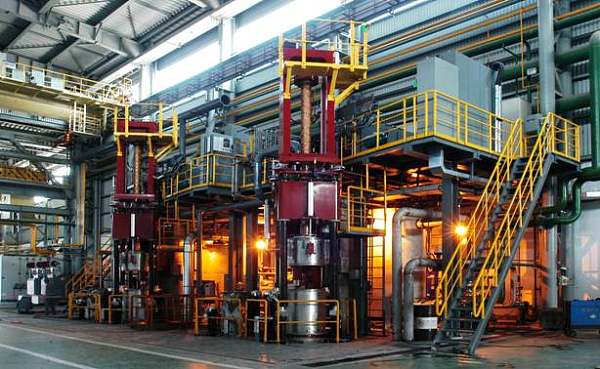
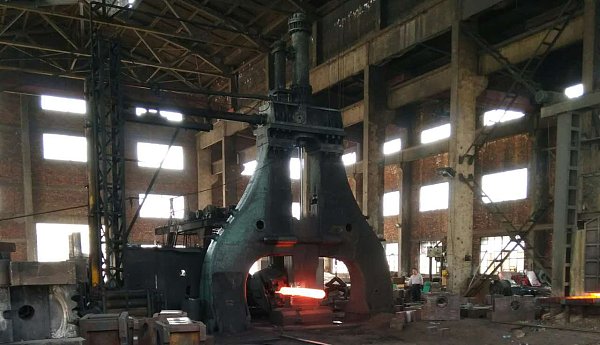
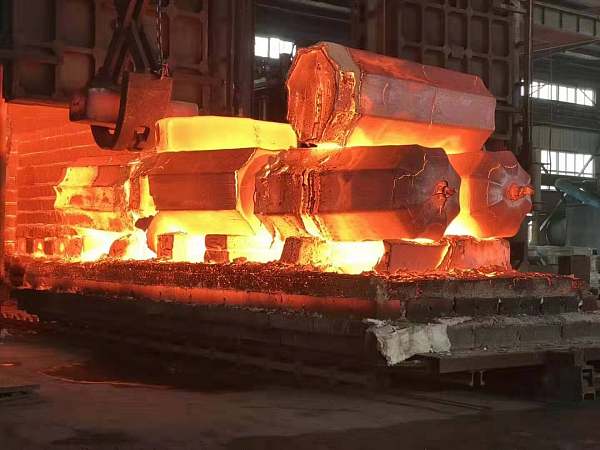
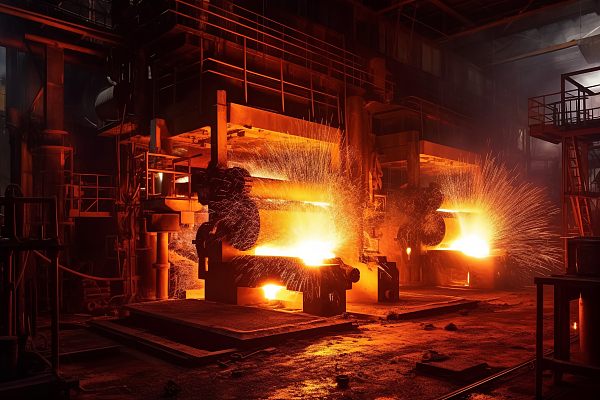
◉ Factory Show
◉ MESSAGE
◉ SIMILAR RECOMMENDED
 ERNiCrMo-3/UNS N06625/W. Nr. 2.4806 AWS A5.14 Wire
 Super Invar 32-5 Sheet Plate 4J32/K93500/Super Invar Sheet Plate
 NILO 4J36 Tube Pipe UNS K93600 & K93601/W. Nr.1.3912 Ultra-low expansion iron-nickel alloy Tube Pipe
 Hastelloy Alloy B-3/UNS N10675/W. Nr. 2.4600
 Monel Alloy 400/UNS N04400/W.Nr. 2.4360
 Incoloy 800/Alloy 800/UNS N08800/W.Nr. 1.4876
 Inconel 625 Alloy | Nickel Alloy 625 Supplier and Manufacturer
 Inconel 718 Alloy | UNS N07718 Nickel Superalloy Supplier
 17-4PH UNS Strip Ring S17400/W.Nr:1.4542 stainless steel Strip Ring
 AL-6XN Stainless Steel / N08367 /
 PH13-8 / S13800 / W.Nr 1.4534 /Alloy 13-8 stainless / PH13-8 Mo
 F55 Duplex Stainless Steel
") F44 (254 SMO )
F44 (254 SMO ) 17-7PH / 1.4568 Stainless Steel /631 Precipitation Hardening Stainless Steel
 Nitronic 60 / UNS S21800 / Alloy 218 stainless steel
 Nitronic 50
 904L Stainless Steel
 CuNi1 Wire 210 MPA 0.03mm Soft Copper Aluminium Nickel Alloy
 Bright 420 MPA 50mm Soft CuNi44 Heating Nickel Copper Rod
 0.5mmx180mm Soft MPA CuNi34 Nickel Copper Alloy 400
 CuNi10/CuNi30 Copper Nickel Alloy Strip High Conductivity Corrosion Resistant for Marine & Industrial Use
Thank you very much for writing to us. Please leave your message and contact information, we will reply to you within 24 hours.