MESSAGE
If you have any questions, please contact us and we will contact you as soon as possible.
‹
›
‹
›
◉ PRODUCT SPECIFICATION
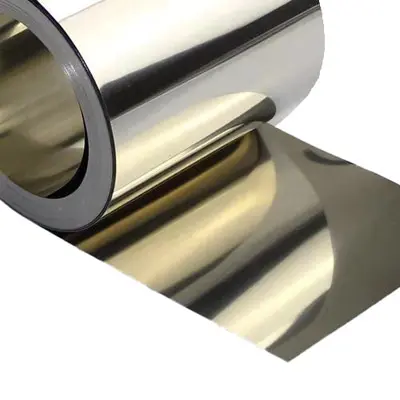
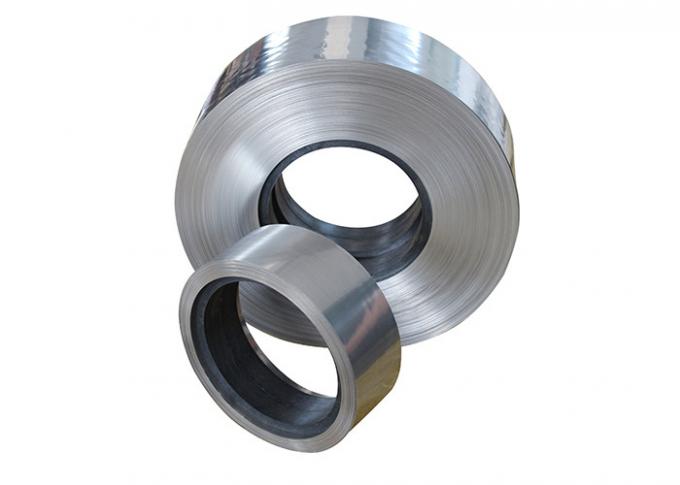
High Conductivity CuNi Alloy Strip
,Corrosion Resistant Copper Nickel Alloy Strip
,Marine Grade CuNi10/CuNi30 Strip
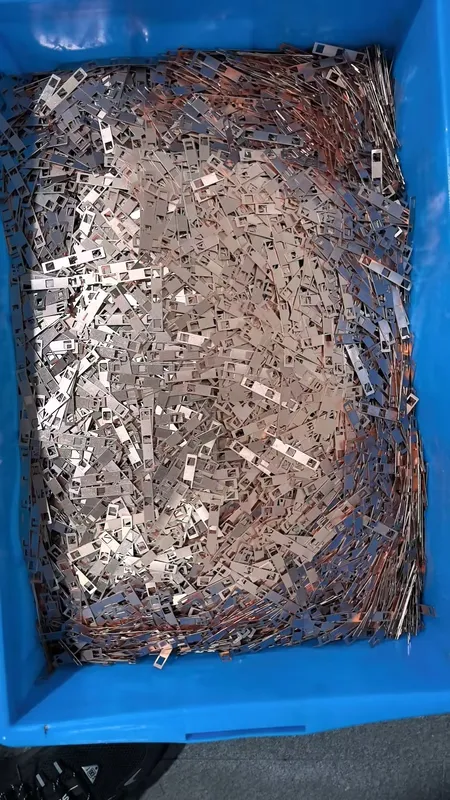
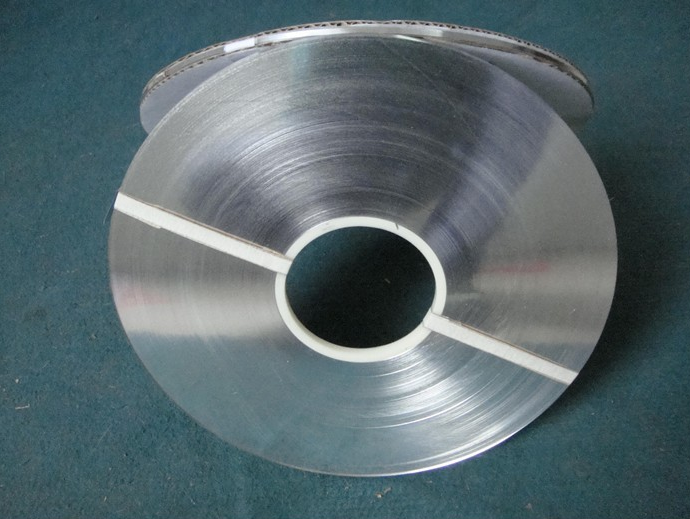
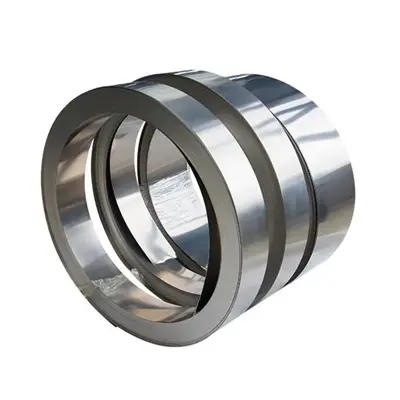
CuNi10 and CuNi30 are copper-nickel alloys containing approximately 10% and 30% nickel respectively. These alloys are widely known for their excellent corrosion resistance, especially in marine environments, along with stable electrical conductivity and good mechanical properties.
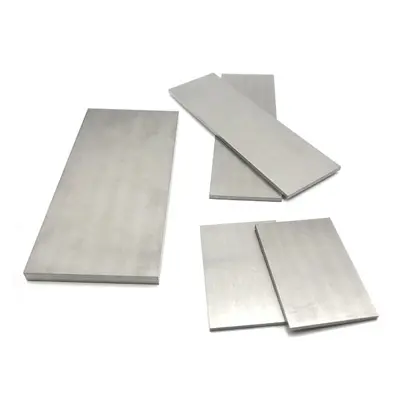
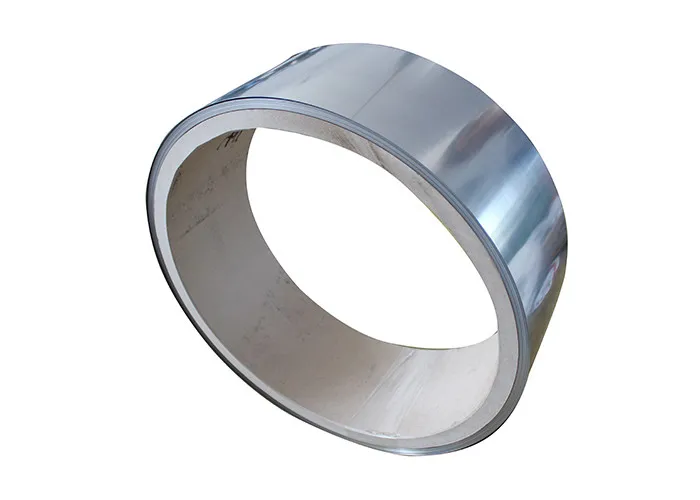
JX produces high-precision copper nickel alloy strips with consistent thickness, smooth surface finish, and controlled composition. These strips are designed for demanding applications where both conductivity and corrosion resistance are required.
Key characteristics:
- Excellent resistance to seawater corrosion
- Stable electrical conductivity
- Good thermal conductivity
- Strong mechanical strength and ductility
- Long service life in aggressive environments
The main difference between CuNi10 and CuNi30 lies in nickel content, which directly affects performance.
- CuNi10: Lower nickel content, higher conductivity, cost-effective
- CuNi30: Higher nickel content, superior corrosion resistance and strength
Typical composition:
- CuNi10: ~90% Cu, 10% Ni
- CuNi30: ~70% Cu, 30% Ni
This variation allows engineers to choose based on application needs—either better conductivity or higher durability.
Copper nickel alloys are widely used in seawater piping systems, condensers, and shipbuilding.
Typical uses:
- Seawater cooling systems
- Desalination equipment
- Ship hull components
- Offshore oil platform systems
Why JX strips perform better:
Our strips maintain structural integrity even after long exposure to saltwater, minimizing corrosion-related failures.
Heat transfer efficiency is crucial in industrial systems.
Applications:
- Power plant condensers
- HVAC heat exchangers
- Industrial cooling systems
CuNi alloys provide:
- Stable thermal conductivity
- Resistance to scaling and biofouling
Although not as conductive as pure copper, CuNi alloys offer stable conductivity under extreme conditions.
Applications:
- Resistors
- Thermocouple components
- Electrical connectors
In chemical and petrochemical industries, materials must resist corrosion from aggressive media.
Uses:
- Chemical processing units
- Evaporators
- Distillation columns
Many companies face frequent pipe or strip replacement due to corrosion.
JX Solution:
Our CuNi30 strip significantly improves resistance to chloride-induced corrosion, extending service life by up to 3–5 times compared to standard materials.
In high-temperature environments, some materials lose conductivity.
JX Solution:
CuNi10 provides stable electrical performance even under thermal stress, making it ideal for precision electrical applications.
Uneven surfaces can cause poor contact or reduced efficiency.
JX Solution:
We use advanced rolling and annealing processes to ensure smooth, uniform surfaces with tight tolerance control.
Inconsistent alloy composition leads to unpredictable performance.
JX Solution:
Strict quality control ensures each batch meets exact chemical composition and mechanical standards.
Understanding key parameters helps buyers make better decisions:
- Electrical Conductivity (%IACS): Measures how well the material conducts electricity
- Tensile Strength (MPa): Indicates mechanical durability
- Elongation (%): Reflects flexibility and formability
- Density (g/cm³): Important for weight-sensitive applications
- Thermal Conductivity (W/m·K): Determines heat transfer efficiency
JX focuses on long-term performance rather than just initial cost, which is why many industrial clients switch to us after experiencing failures with generic materials.
The demand for copper nickel alloy strips is growing steadily due to:
- Expansion of offshore energy projects
- Increasing desalination plants globally
- Higher requirements for corrosion-resistant materials
- Shift toward longer lifecycle and lower maintenance costs
Additionally, sustainability is becoming a key factor. CuNi alloys are recyclable and contribute to environmentally friendly engineering solutions.
At JX, we don’t just supply material—we solve problems.
Our advantages:
- Advanced production lines for precision strip rolling
- Strict quality inspection at every stage
- Flexible customization (thickness, width, hardness)
- Fast response and technical support
- Export experience across marine and industrial sectors
We understand B2B buyers need reliability, consistency, and long-term value—not just a low price.
About Us:
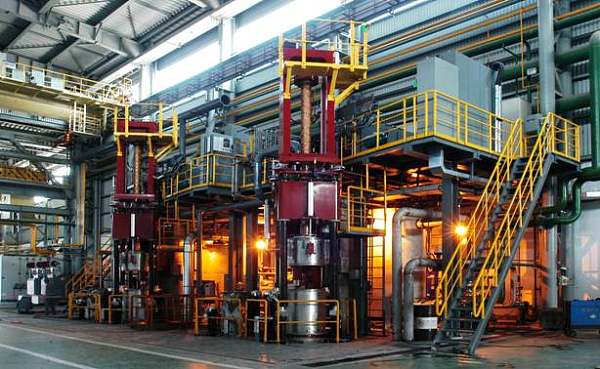
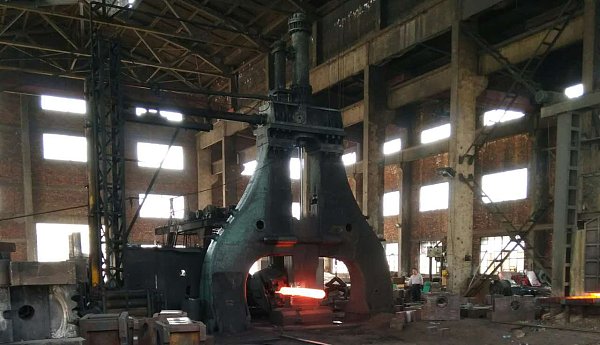
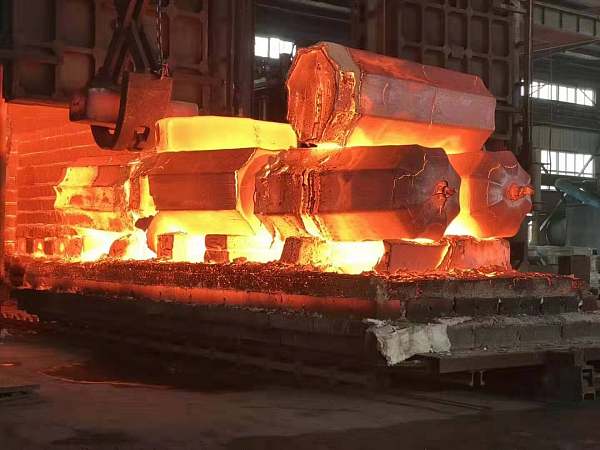
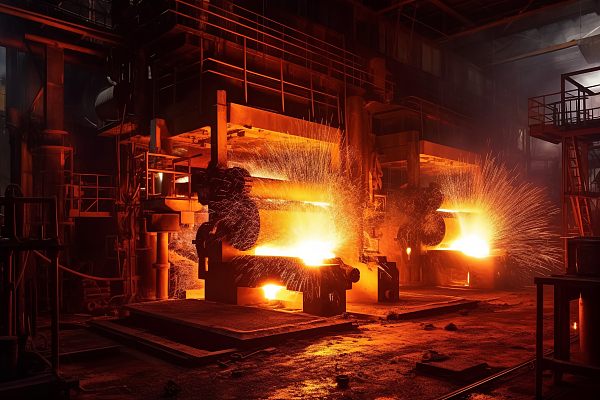
Our 12,000㎡ factory is equipped with complete capabilities for research, production, testing, and packaging. We strictly adhere to ISO 9001 standards in our production processes, with an annual output of 1,200 tons. This ensures that we meet both quantity and quality demands. Furthermore, all products undergo rigorous simulated environment testing including high temperature, high pressure, and corrosion tests before being dispatched, ensuring they meet customer specifications.
For all our clients, we offer timely and multilingual after-sales support and technical consulting, helping you resolve any issues swiftly and efficiently.
1. What is the main difference between CuNi10 and CuNi30?
CuNi10 has better electrical conductivity, while CuNi30 offers stronger corrosion resistance and mechanical strength.
2. Is CuNi alloy suitable for seawater applications?
Yes, especially CuNi30, which performs exceptionally well in marine environments.
3. Can JX customize strip dimensions?
Yes, we support custom thickness, width, and hardness based on your requirements.
4. What surface finish can you provide?
We offer bright, polished, and annealed finishes with minimal defects.
5. How do you ensure quality consistency?
Through strict raw material selection, controlled production processes, and final inspection.
6. What industries use copper nickel strips the most?
Marine, power generation, chemical processing, and electronics industries.
7. What is the typical lead time?
Depending on specifications, usually 7–25 days.
8. Can these strips be used for electrical components?
Yes, especially CuNi10, which provides stable conductivity under varying conditions.
◉ Factory Show
◉ MESSAGE
◉ SIMILAR RECOMMENDED
 ERNiCrMo-3/UNS N06625/W. Nr. 2.4806 AWS A5.14 Wire
 Super Invar 32-5 Sheet Plate 4J32/K93500/Super Invar Sheet Plate
 NILO 4J36 Tube Pipe UNS K93600 & K93601/W. Nr.1.3912 Ultra-low expansion iron-nickel alloy Tube Pipe
 Hastelloy Alloy B-3/UNS N10675/W. Nr. 2.4600
 Monel Alloy 400/UNS N04400/W.Nr. 2.4360
 Incoloy 800/Alloy 800/UNS N08800/W.Nr. 1.4876
 Inconel 625 Alloy | Nickel Alloy 625 Supplier and Manufacturer
 Inconel 718 Alloy | UNS N07718 Nickel Superalloy Supplier
 17-4PH UNS Strip Ring S17400/W.Nr:1.4542 stainless steel Strip Ring
 AL-6XN Stainless Steel / N08367 /
 PH13-8 / S13800 / W.Nr 1.4534 /Alloy 13-8 stainless / PH13-8 Mo
 F55 Duplex Stainless Steel
") F44 (254 SMO )
F44 (254 SMO ) 17-7PH / 1.4568 Stainless Steel /631 Precipitation Hardening Stainless Steel
 Nitronic 60 / UNS S21800 / Alloy 218 stainless steel
 Nitronic 50
 904L Stainless Steel
 CuNi1 Wire 210 MPA 0.03mm Soft Copper Aluminium Nickel Alloy
 Bright 420 MPA 50mm Soft CuNi44 Heating Nickel Copper Rod
 0.5mmx180mm Soft MPA CuNi34 Nickel Copper Alloy 400
 CuNi10/CuNi30 Copper Nickel Alloy Strip High Conductivity Corrosion Resistant for Marine & Industrial Use
Thank you very much for writing to us. Please leave your message and contact information, we will reply to you within 24 hours.