
MESSAGE
If you have any questions, please contact us and we will contact you as soon as possible.
‹
›
‹
›
◉ PRODUCT SPECIFICATION
Overview
Haynes 188 is a cobalt-based superalloy with excellent high temperature strength, oxidation resistance and corrosion resistance. It is a solution-strengthened and age-strengthened alloy consisting of 14% tungsten solution-strengthened and M6C and M23C6 carbide precipitation strengthened. This alloy combines excellent high temperature strength with excellent oxidation resistance, is suitable for long-term exposure in environments up to 2000°F (1095°C), and has excellent resistance to sulphate deposition thermal corrosion environments.
Haynes 188 also has good forming, welding process performance and good constraint welding performance. It can be manufactured and formed by conventional methods and has been used for casting parts. At the same time, the alloy has the characteristics of high melting point, high thermal expansion coefficient and high thermal conductivity.
Limiting Chemical Composition, %
Nickel...................................................................................................................................................................................20.00-24.00
Chromium............................................................................................................................................................................20.00-24.00
Tungsten..............................................................................................................................................................................13.00-16.00
Cobalt...................................................................................................................................................................................30.93-46.73
Iron...........................................................................................................................................................................................3.00 max.
Lanthanum...............................................................................................................................................................................0.02-0.12
Manganese..............................................................................................................................................................................1.25 max.
Carbon......................................................................................................................................................................................0.05-0.15
Silicon.......................................................................................................................................................................................0.20-0.50
Boron......................................................................................................................................................................................0.015 max.
Sulphur...................................................................................................................................................................................0.015 max.
Phosphorus..............................................................................................................................................................................0.02 max.
Physical properties
Mechanical Properties
Heat-Treatment
The heat treatment of Haynes 188 alloy is very important for its properties. In order to maximize the properties of the alloy, specific heat treatment procedures are usually followed. The following are general heat treatment recommendations:
Solution treatment: This is the initial step of the heat treatment and aims to make the alloy fully austenitic. The temperature is usually set between 1800°F (982°C) and 2000°F (1093°C), depending on the thickness of the alloy being treated. This temperature should be maintained for a length of time sufficient to ensure uniform heating of the alloy, but not longer than necessary to avoid overheating of the alloy. The goal of solution treatment is to maximize the dissolution and uniform distribution of carbides.
Two-step aging treatment: The first step is medium temperature aging, usually between 1300°F (704°C) and 1500°F (816°C). The purpose of this step is to precipitate part of the carbide and prepare for subsequent low temperature aging. This stage takes about 8 hours, but the exact time may vary depending on the alloy thickness and the desired microstructure.
Low temperature aging: During this stage, the alloy is heated to approximately 1000°F (538°C). The aim of this step is to further strengthen the alloy to achieve the best mechanical properties by completely precipitating the carbide. Low temperature aging usually takes much longer, possibly from a few days to a few weeks, depending on the thickness of the alloy and the desired microstructure.
Stabilization treatment: In some cases, stabilization treatment may be required to prevent grain boundary corrosion. This step involves heating the alloy to about 1800°F (982°C) and then cooling it quickly. This can fix the carbide on the grain boundary and prevent its migration in subsequent use.
Cooling: After aging treatment, the alloy should be slowly cooled to room temperature. The slow cooling rate helps to minimize harmful transformations in the microstructure.
Please note that specific heat treatment parameters such as temperature, time and cooling rate should be adjusted according to the specific alloy composition, application and equipment used. In practice, it is recommended to work with a materials scientist or metallurgist with expertise and experience to ensure the best results.
Available Forms
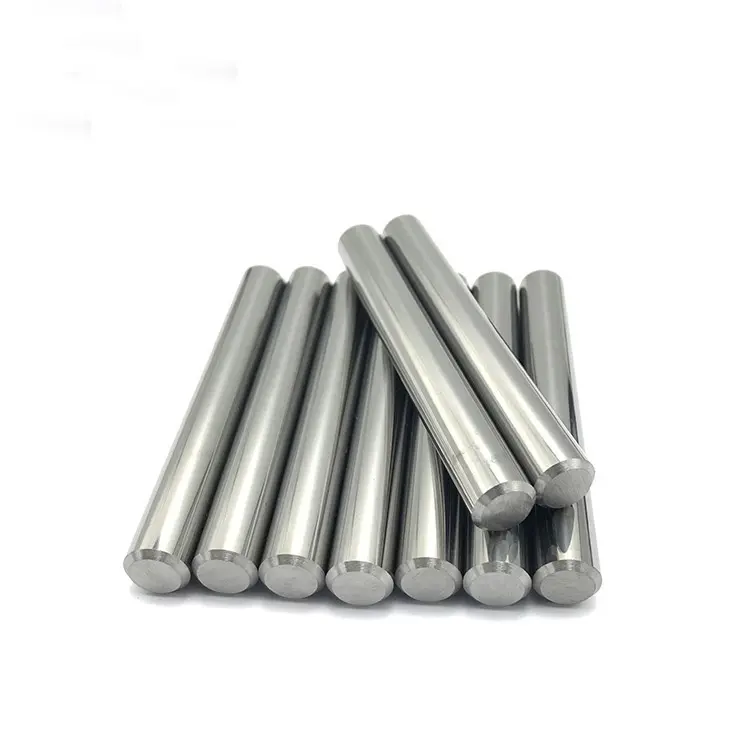
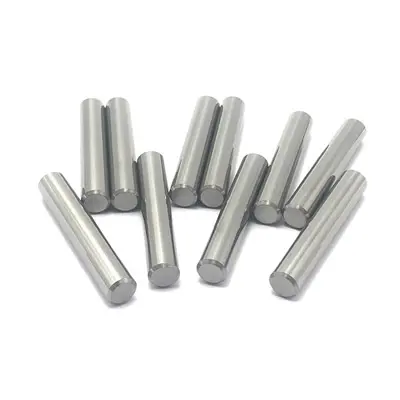
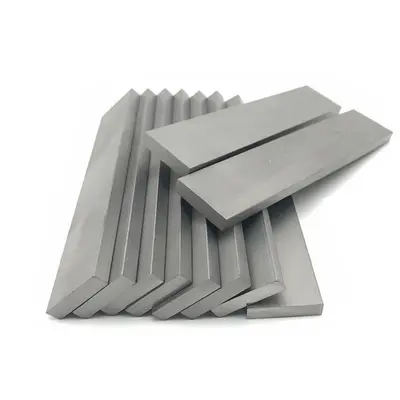
We provide you with a variety of product forms, including but not limited to.
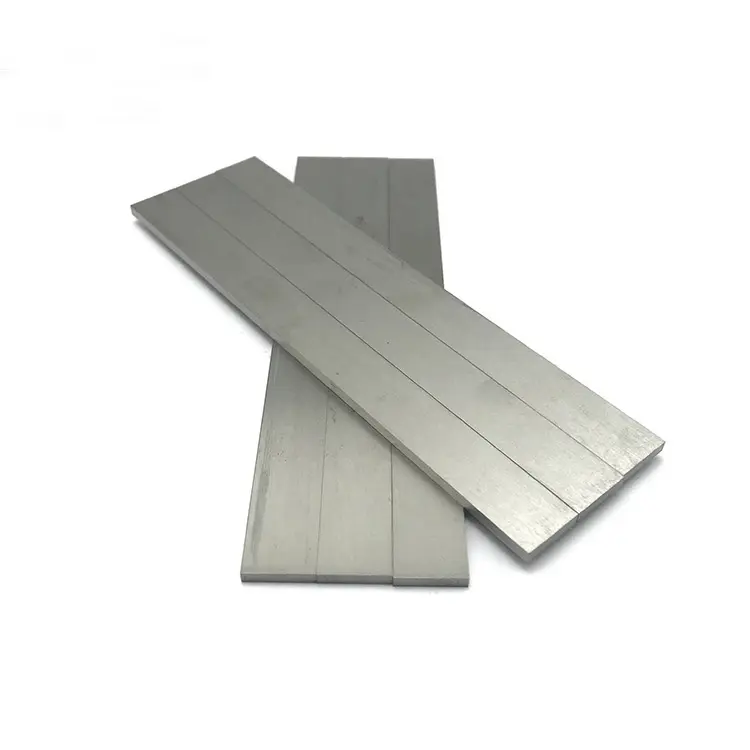
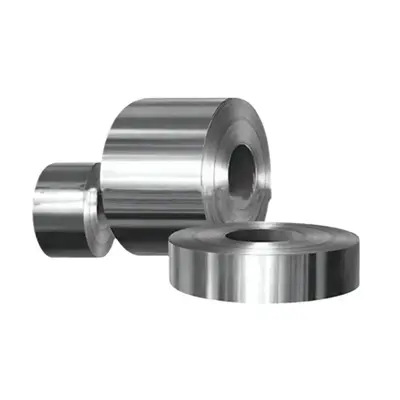
● Strips & Tape
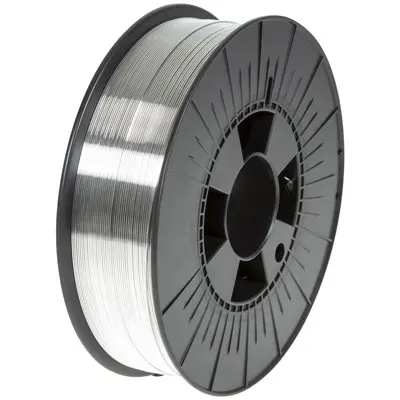
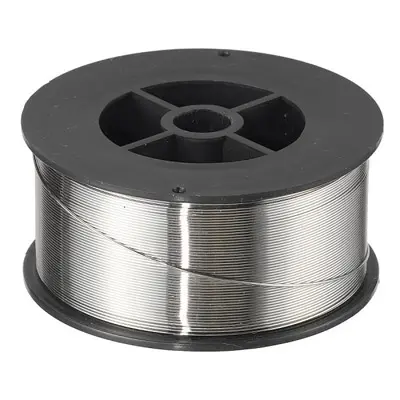
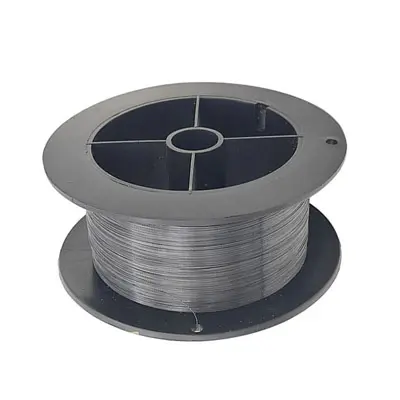
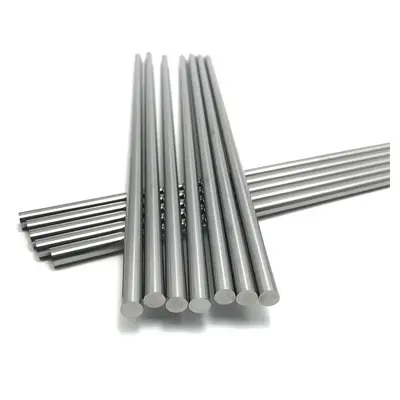
● Wire & Welding
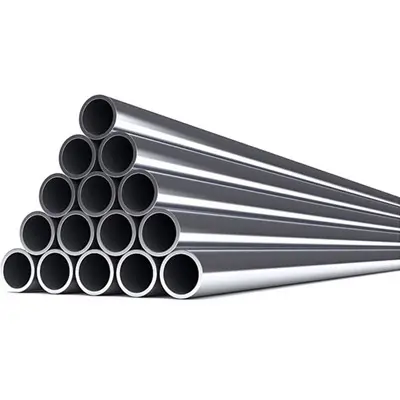
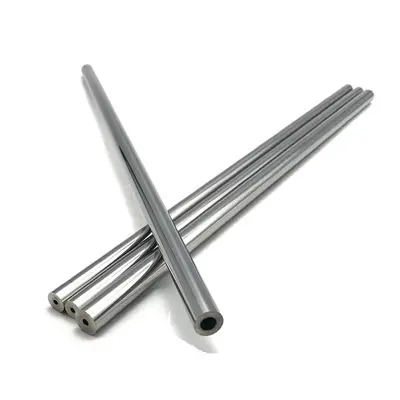
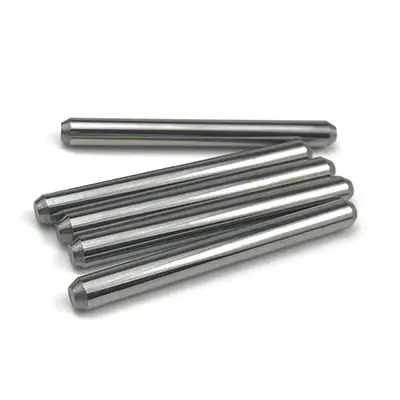
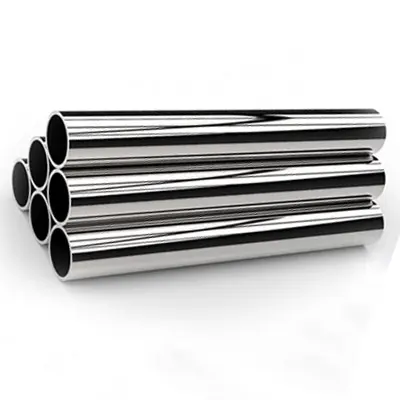
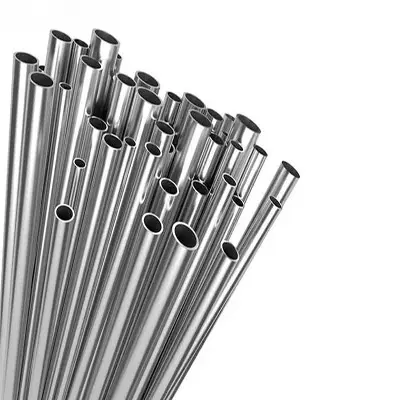
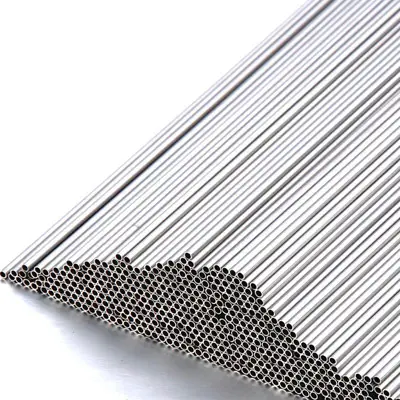
● Pipe & Tube
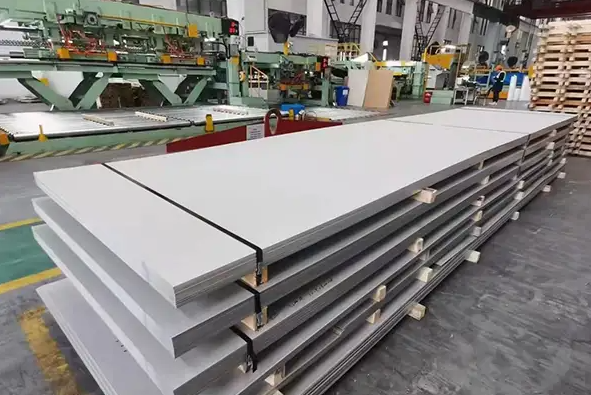
● Sheet & Foils
● Flanges & Forgins
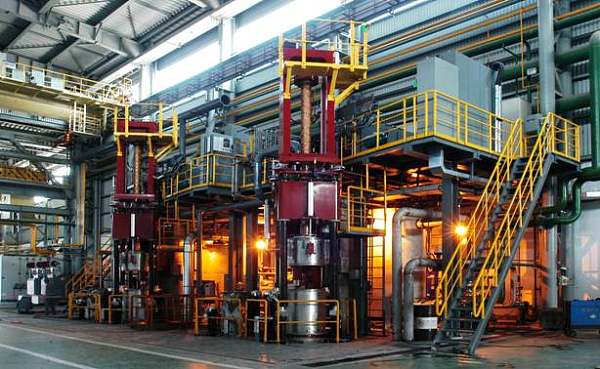
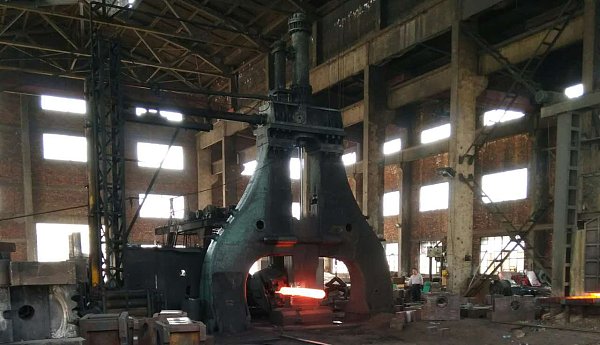
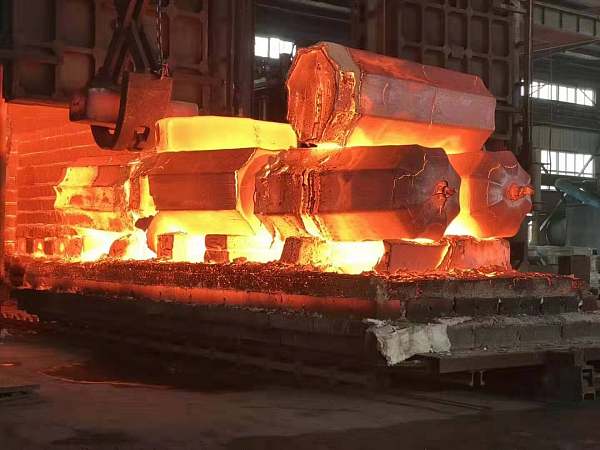
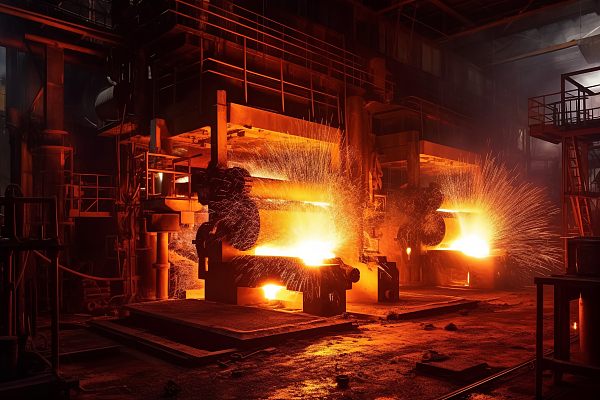
◉ Factory Show
◉ MESSAGE
◉ SIMILAR RECOMMENDED
 Dia 1.2mm 1.6mm ERNiCrMo-4/UNS N10276/W. Nr. 2.4819 AWS A5.14 Wire
 ERNiCrMo-3/UNS N06625/W. Nr. 2.4806 AWS A5.14 Wire
 Alloy L605,Haynes-25 Tube Pipe /UNS N30605/W.Nr.2.4964 /AMS5759 AMS 5537 Tube Pipe
 Alloy L605,Haynes-25 Bar Rod /UNS N30605/W.Nr.2.4964 /AMS5759 AMS 5537 Bar Rod
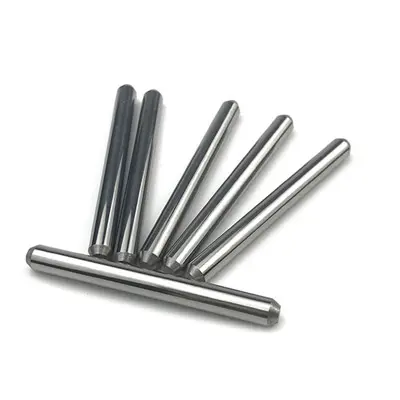
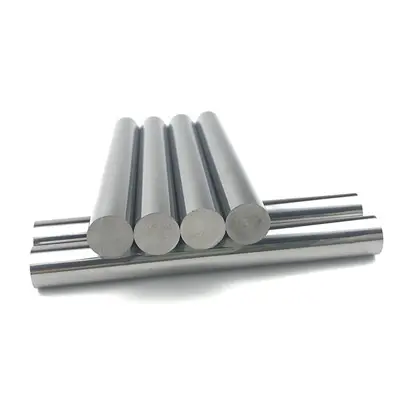
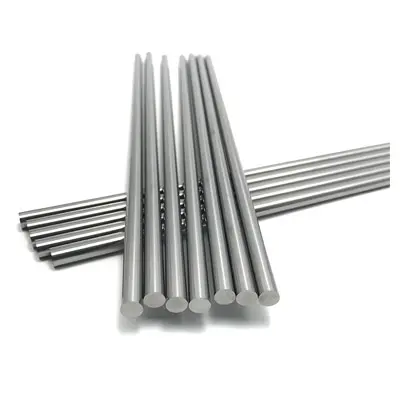
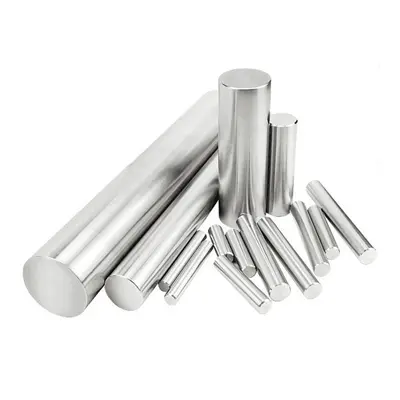
 Haynes-188 Bar Rod /UNS N30188/W.Nr.2.4683 /AMS 5608 AMS 5772 Bar Rod
 Alloy K/UNS K94610/W. Nr. 1.3981 AMS5758/AMS5844/AMS5845
 Refractory 26 Tube Pipe /Alloy R26/W.Nr.1.2888 Tube Pipe
 Waspaloy Alloy Bar Rod UNS N07001/W. Nr. 2.4654 Bar Rod
 Nickel alloy 230 Sheet Plate Haynes 230/UNS N06230 Sheet Plate
 Nickel alloy 230 Bar Rod Haynes 230/UNS N06230 Bar Rod
 MP35N Alloy/UNS R30035/W.Nr.2.4999 AMS5758 AMS5844 AMS5845
 Alloy L605,Haynes-25/UNS N30605/W.Nr.2.4964 /AMS5759 AMS 5537 Tube Sheet Wire ring
/ Supermendur /1J22/ Permendur/49КФ/AFK502/Co50V2") Hiperco 50 (1J22)/ Supermendur /1J22/ Permendur/49КФ/AFK502/Co50V2
Hiperco 50 (1J22)/ Supermendur /1J22/ Permendur/49КФ/AFK502/Co50V2/ Supermendur /1J22/ Permendur/49КФ/AFK502/Co50V2-1 Tube Pipe") Hiperco 50 Tube Pipe (1J22)/ Supermendur /1J22/ Permendur/49КФ/AFK502/Co50V2-1 Tube Pipe
Hiperco 50 Tube Pipe (1J22)/ Supermendur /1J22/ Permendur/49КФ/AFK502/Co50V2-1 Tube Pipe/ Supermendur /1J22/ Permendur/49КФ/AFK502/Co50V2-1 Bar Rod") Hiperco 50 Bar Rod (1J22)/ Supermendur /1J22/ Permendur/49КФ/AFK502/Co50V2-1 Bar Rod
Hiperco 50 Bar Rod (1J22)/ Supermendur /1J22/ Permendur/49КФ/AFK502/Co50V2-1 Bar Rod/Russia 50H/1J50 Strip Ring") NiFe Alloy 50 Strip Ring (1J50)/Russia 50H/1J50 Strip Ring
NiFe Alloy 50 Strip Ring (1J50)/Russia 50H/1J50 Strip Ring/Russia 50H/1J50 Tube Pipe") NiFe Alloy 50 Tube Pipe (1J50)/Russia 50H/1J50 Tube Pipe
NiFe Alloy 50 Tube Pipe (1J50)/Russia 50H/1J50 Tube Pipe/Russia 50H/1J50 Bar Rod") NiFe Alloy 50 Bar Rod (1J50)/Russia 50H/1J50 Bar Rod
NiFe Alloy 50 Bar Rod (1J50)/Russia 50H/1J50 Bar Rod/Russia 50H/1J50 Sheet Plate") NiFe Alloy 50 Sheet Plate (1J50)/Russia 50H/1J50 Sheet Plate
NiFe Alloy 50 Sheet Plate (1J50)/Russia 50H/1J50 Sheet Plate Su Permalloy 1J85 /UNS N14080,GB/T 32286.1-2015 Bar Tube Pipe Wire
 Su Permalloy 1J85 Tube Pipe /UNS N14080,GB/T 32286.1-2015 Tube Pipe
Thank you very much for writing to us. Please leave your message and contact information, we will reply to you within 24 hours.