Nickel-based alloys are widely used in industries where conventional steels and stainless steels cannot provide sufficient resistance to high temperature, corrosion, oxidation, pressure, or mechanical stress. These high-performance materials are particularly important in aerospace, chemical processing, oil and gas, power generation, marine engineering, and energy equipment.
Choosing the correct nickel alloy requires more than simply comparing the nominal nickel content. Alloy chemistry, strengthening mechanism, temperature, corrosion environment, fabrication requirements, product form, and applicable standards should all be considered.
What Are Nickel-Based Alloys?
Nickel-based alloys are engineering materials in which nickel provides a major part of the alloy matrix. Other elements such as chromium, molybdenum, iron, cobalt, aluminum, titanium, niobium, tungsten, and copper are added to obtain specific properties.
Depending on their chemistry and strengthening mechanism, nickel alloys can provide:
- Excellent corrosion resistance
- High-temperature strength
- Oxidation resistance
- Resistance to pitting and crevice corrosion
- Stress corrosion cracking resistance
- Creep resistance
- Good fatigue performance
- Excellent thermal stability
The combination of these properties makes nickel alloys suitable for severe operating environments.
Major Types of Nickel-Based Alloys
Inconel Alloys
Inconel alloys are widely recognized for high-temperature strength and corrosion resistance.
Popular grades include Inconel 600, 601, 625, 718, X-750, 690 and 686.
Inconel 625 is particularly important when corrosion resistance and weldability are major requirements, while Inconel 718 is commonly selected when very high mechanical strength is required at elevated temperatures.
Hastelloy Alloys
Hastelloy alloys are designed primarily for aggressive chemical environments.
Grades such as Hastelloy C-276, C-22, B-2, B-3 and C-2000 are used in chemical processing, pollution control, petrochemical equipment and other applications involving highly corrosive media.
Incoloy Alloys
Incoloy alloys generally combine nickel with significant amounts of iron and chromium.
Typical grades include Incoloy 800, 800H, 800HT, 825 and 925.
These materials are often selected for high-temperature equipment, heat treatment systems, chemical processing and oil and gas applications.
Monel Alloys
Monel alloys combine nickel and copper to provide excellent resistance to seawater and many corrosive environments.
Monel 400 offers strong corrosion resistance, while Monel K-500 provides higher mechanical strength through precipitation hardening.
Nimonic Alloys
Nimonic alloys are nickel-based high-temperature materials designed for demanding mechanical and thermal environments.
Grades such as Nimonic 75, 80A, 90 and 105 are associated with high-temperature components and aerospace-related applications.
How to Select the Correct Nickel Alloy
Material selection should start with the actual operating conditions.
1. Operating Temperature
Determine both continuous and peak temperatures.
For high-temperature applications, oxidation resistance, creep resistance and long-term structural stability may be more important than room-temperature tensile strength.
2. Corrosion Environment
Identify the actual chemical medium.
Important factors include:
- Chlorides
- Acids
- Alkalis
- Seawater
- Sulfur compounds
- Hydrogen-containing environments
- Wet or dry process conditions
A material that performs well in one corrosion environment may not be optimal in another.
3. Mechanical Requirements
Consider tensile strength, yield strength, fatigue resistance, creep strength and hardness.
For heavily loaded components, precipitation-hardened alloys such as Inconel 718 may be more appropriate than solid-solution strengthened grades.
4. Manufacturing Process
The selected material should be compatible with the required manufacturing method.
Important considerations include:
- Welding
- Machining
- Forming
- Forging
- Heat treatment
- Cold working
5. Product Form
Nickel alloys can be supplied in different forms depending on application requirements.
Common forms include:
- Sheet and plate
- Strip and foil
- Bar and rod
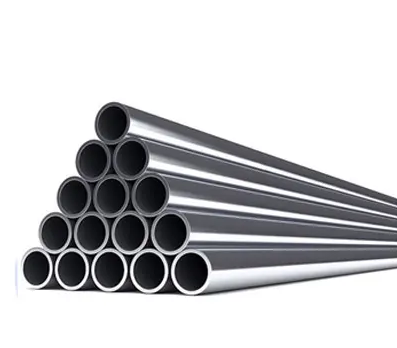
- Pipe and tube
- Wire
- Welding consumables
- Rings and flanges
- Fasteners
- Custom components
Nickel Alloy Applications
Nickel-based alloys are used in:
Aerospace: engine components, fasteners, exhaust systems and high-temperature structures.
Chemical processing: reactors, heat exchangers, piping and pressure equipment.
Oil and gas: downhole components, valves, fasteners and corrosion-resistant equipment.
Power generation: boilers, heat exchangers, turbines and high-temperature piping.
Marine engineering: seawater equipment, pumps, valves and marine components.
New energy: hydrogen equipment, electrolyzer components and high-temperature energy systems.
Why Work With an Experienced Nickel Alloy Supplier?
A reliable supplier should be able to provide more than a material quotation. Technical support, grade selection, product-form availability, inspection documentation and custom manufacturing capabilities can significantly reduce procurement risk.
Danyang Jiaxin New Materials Technology Co., Ltd. has more than 15 years of practical experience in special nickel-based alloys and supplies nickel-base, cobalt-base and precision alloys in multiple product forms.
Conclusion
Nickel-based alloys are not a single material category with identical performance. Inconel, Hastelloy, Incoloy, Monel and Nimonic alloys each solve different engineering problems.
The best material is therefore the alloy that matches the actual combination of temperature, corrosion, mechanical loading, manufacturing process and service life requirements.
For technical alloy selection, material specifications, custom sizes or project requirements, contact AlloysFactory for professional assistance.
Company: Danyang Jiaxin New Materials Technology Co., Ltd.
Phone / WhatsApp: +86 18052778977
Email: sales@alloysfactory.com
Website: alloysfactory.com
Thank you very much for writing to us. Please leave your message and contact information, we will reply to you within 24 hours.