
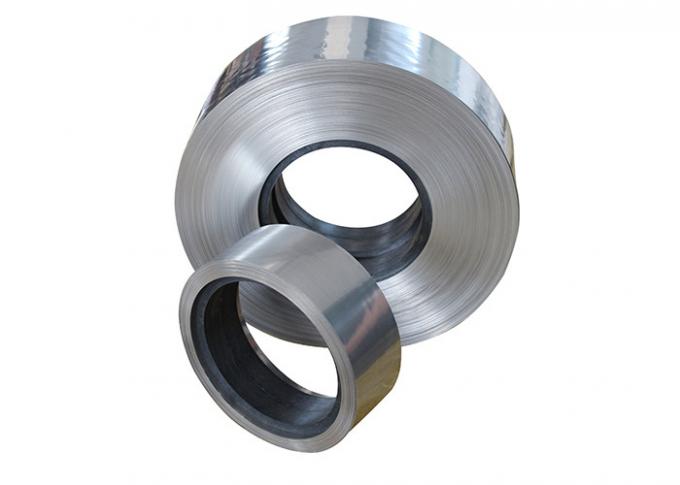
Nickel alloy tubes and pipes are widely used in chemical processing, power generation, oil and gas, marine engineering, heat exchangers, and other applications where conventional metals may not provide sufficient corrosion resistance or high-temperature performance.
However, purchasing nickel alloy tubing is more complicated than selecting a familiar grade and specifying an outside diameter. The final product must match the operating environment, pressure requirements, manufacturing method, applicable standard, heat-treatment condition, and inspection requirements.
A technically correct purchase specification helps prevent common problems such as selecting the wrong alloy family, confusing tube and pipe standards, overlooking weld requirements, or receiving material that does not match the intended service.
This guide explains how to select and purchase nickel alloy tubes and pipes for industrial applications.
What Are Nickel Alloy Tubes and Pipes?
Nickel alloy tubes and pipes are tubular products manufactured from nickel-based or nickel-rich alloys. They are selected when a combination of corrosion resistance, high-temperature performance, mechanical strength, and long service life is required.
Depending on the application, suppliers may offer:
- Seamless tubes
- Welded tubes
- Seamless pipes
- Welded pipes
- Heat exchanger tubes
- Instrumentation tubing
- Precision tubes
- Custom-sized tubular products
- Fabricated or finished tubular components
The correct product form depends on the design function, dimensions, pressure requirements, and applicable standard.
Why Are Nickel Alloys Used for Tubes and Pipes?
1. Corrosion Resistance
Nickel alloys can provide resistance to specific corrosive environments that may be unsuitable for carbon steel or some stainless steels.
Different alloy families are optimized for different conditions:
- Inconel: High-temperature and corrosion-resistant applications.
- Incoloy: High-temperature corrosion and selected structural service.
- Hastelloy: Aggressive chemical and corrosion-processing environments.
- Monel: Selected marine, chemical, and hydrofluoric-acid-related environments.
- Nimonic: High-temperature applications requiring specialized mechanical performance.
Corrosion resistance must always be matched to the actual fluid chemistry and operating conditions.
2. High-Temperature Performance
Many nickel alloys maintain useful mechanical and oxidation-resistant properties at elevated temperatures. This makes them suitable for selected furnace, heat exchanger, process heater, and energy-related applications.
3. Mechanical Strength
Some nickel alloys are designed for high strength, including precipitation-hardening grades such as Inconel 718 and Monel K-500. Others are selected primarily for corrosion resistance or thermal stability.
The required strength depends on temperature, wall thickness, loading, pressure, and design code.
4. Long-Term Reliability
In demanding equipment, material reliability involves more than initial tensile strength. Resistance to pitting, stress corrosion cracking, oxidation, carburization, erosion-corrosion, and thermal degradation may determine service life.
Common Nickel Alloy Tube and Pipe Grades
<AsyncImageGroup query={["nickel alloy seamless tubes industrial metal products","Inconel nickel alloy pipes tubes manufacturing","Hastelloy alloy heat exchanger tube bundles"]} layout="carousel" aspectRatio="5/4"/>
Inconel 625 — UNS N06625
Inconel 625 is a nickel-chromium-molybdenum-niobium alloy known for strong corrosion resistance and useful mechanical performance.
It may be considered for:
- Chemical-processing equipment
- Marine and offshore systems
- Heat exchangers
- Oil and gas components
- Corrosive piping and tubing applications
The alloy is often selected when corrosion resistance and strength must be combined.
Inconel 718 — UNS N07718
Inconel 718 is a precipitation-hardening nickel alloy recognized for high strength and good mechanical performance at elevated temperatures.
It may be used in:
- Aerospace components
- Turbomachinery
- High-strength fasteners
- Oil and gas equipment
- High-load industrial components
For tubing and piping, the applicable product standard and delivery condition are particularly important because the required properties depend strongly on heat treatment.
Inconel 600 — UNS N06600
Inconel 600 is a nickel-chromium alloy used in applications requiring resistance to corrosion and heat.
It may be considered for:
- Chemical-processing equipment
- Heat-treatment components
- Furnace-related applications
- Heat exchangers
- Selected high-temperature piping systems
Incoloy 800 / 800H / 800HT
These nickel-iron-chromium alloys are relevant to high-temperature industrial equipment. The choice among the grades depends on corrosion conditions, creep requirements, temperature, and applicable design standards.
Incoloy 825 — UNS N08825
Incoloy 825 is a nickel-iron-chromium alloy with molybdenum, copper, and titanium additions. It is widely considered for corrosion-resistant applications involving acids and other aggressive environments.
Potential applications include:
- Chemical processing
- Acid-service piping
- Pollution control
- Marine environments
- Heat exchangers
Hastelloy C-276 — UNS N10276
Hastelloy C-276 is often selected for broad corrosion resistance in complex chemical environments.
It may be considered for:
- Chemical process piping
- Scrubber systems
- Corrosive heat exchangers
- Reactors and vessels
- Pollution-control equipment
Monel 400 — UNS N04400
Monel 400 is a nickel-copper alloy known for corrosion resistance in selected marine and chemical environments.
It may be used for:
- Marine piping
- Pumps and valves
- Chemical-processing components
- Heat exchangers
- Selected hydrofluoric-acid service
The suitability of Monel 400 depends on the actual chemistry, aeration, temperature, and flow conditions.
Tube vs Pipe: What Is the Difference?
One of the most important purchasing distinctions is the difference between tube and pipe.
The terminology and dimensional conventions can vary by standard and industry. Always identify the exact applicable specification rather than relying on the words “tube” or “pipe” alone.
Seamless vs Welded Nickel Alloy Tubes and Pipes
Seamless Products
Seamless tubes and pipes are manufactured without a longitudinal weld seam. They may be preferred for certain pressure, temperature, dimensional, or customer-specific requirements.
Potential advantages include:
- No longitudinal weld seam
- Suitability for specified high-integrity applications
- Availability in specialized dimensions
- Compatibility with certain pressure-equipment specifications
However, seamless does not automatically mean superior for every application. The applicable standard, inspection, dimensions, and manufacturing quality remain essential.
Welded Products
Welded tubes and pipes are manufactured from strip, sheet, or plate that is formed and joined.
Potential advantages include:
- Availability in larger diameters
- Flexible dimensional options
- Efficient manufacturing for certain sizes
- Suitability for many industrial piping and structural applications
For welded products, buyers should clarify the welding process, weld quality requirements, heat treatment, and nondestructive testing requirements.
How to Select the Right Nickel Alloy Tube or Pipe
Step 1: Define the Operating Environment
Start with the actual service conditions:
- Fluid or gas composition
- Chemical concentration
- Operating temperature
- Operating pressure
- Flow velocity
- pH
- Dissolved oxygen
- Chlorides and other contaminants
- Expected deposits or stagnant zones
- Cleaning chemicals
- Thermal cycling
A grade that performs well in one chemical environment may not be suitable in another.
Step 2: Identify the Required Material Grade
Select the alloy based on the dominant failure mechanism:
- General corrosion
- Pitting or crevice corrosion
- Stress corrosion cracking
- Oxidation
- Carburization
- Erosion-corrosion
- High-temperature creep
- Fatigue or thermal cycling
When several mechanisms are present, the selection should be reviewed by a corrosion or materials engineer.
Step 3: Specify Dimensions Correctly
For tubes, specify:
- Outside diameter
- Wall thickness
- Inside diameter, if critical
- Length
- Dimensional tolerances
- Straightness requirements
- Surface finish
For pipes, specify:
- Nominal pipe size or exact dimensions
- Schedule or wall thickness
- Length
- End preparation
- Dimensional tolerances
- Applicable piping standard
Step 4: Confirm Manufacturing and Delivery Condition
Specify whether the product must be:
- Seamless or welded
- Annealed or solution-treated
- Cold-worked
- Bright annealed
- Pickled
- Polished
- Cut to length
- Machined or fabricated
The correct condition can influence strength, corrosion performance, dimensional accuracy, and fabrication behavior.
Step 5: Define Testing and Documentation
Depending on the application, requirements may include:
- Chemical composition analysis
- Tensile testing
- Yield strength and elongation
- Hardness testing
- Hydrostatic testing
- Eddy-current testing
- Ultrasonic testing
- Radiographic testing for welds
- Flattening or flaring tests
- Intergranular corrosion testing
- PMI verification
- Heat number traceability
- Material test certificates
Not every test applies to every product. Testing should be based on the governing standard and the risk level of the application.
Common Purchasing Mistakes to Avoid
Mistake 1: Choosing by Alloy Name Only
“Inconel” or “Hastelloy” is not a complete specification. The exact grade and UNS number must be stated.
Mistake 2: Ignoring the Chemical Environment
A material’s general corrosion reputation does not guarantee compatibility with a specific acid, salt, gas, or mixed process stream.
Mistake 3: Confusing Tube and Pipe Dimensions
Nominal pipe size, outside diameter, wall thickness, and schedule are not interchangeable terms.
Mistake 4: Omitting Heat Treatment
For many nickel alloys, the delivery condition directly affects mechanical properties and suitability for fabrication.
Mistake 5: Requesting “ASTM Standard” Without the Standard Number
ASTM is a standards organization, not a complete product specification. The relevant standard number and product form must be identified.
Mistake 6: Failing to Specify Inspection Requirements
For critical service, a purchase order should identify required testing, certification, traceability, and acceptance criteria before production begins.
Example of a Professional RFQ
A clear inquiry might read:
Material: Inconel 625, UNS N06625
Product: Seamless tube
Dimensions: OD × wall thickness × length
Standard: Applicable ASTM/ASME specification
Condition: Annealed, as required by specification
Quantity: Required quantity and unit
Testing: Chemical analysis, mechanical testing, and NDT as specified
Documentation: MTC, heat number traceability, certificate of conformity
Application: Corrosive heat-transfer service
Destination: Delivery location and packaging requirements
This format allows the supplier to assess feasibility and provide a more accurate quotation.
Frequently Asked Questions
What is the best nickel alloy for pipes?
There is no universal best nickel alloy. The correct grade depends on corrosion chemistry, temperature, pressure, mechanical requirements, fabrication, and cost.
Are nickel alloy tubes available in custom sizes?
Many nickel alloy suppliers can provide non-standard dimensions or custom processing, depending on the alloy, manufacturing route, tooling, minimum order quantity, and technical requirements.
Is seamless always better than welded?
No. Seamless and welded products serve different requirements. The correct choice depends on the applicable standard, pressure conditions, dimensions, inspection requirements, and project specification.
What documents should I request when buying nickel alloy tubes?
Common documents include a material test certificate, chemical analysis, mechanical test results, heat number traceability, inspection records, and certificate of conformity. Additional documentation may be required for critical applications.
Can nickel alloy tubes be used in heat exchangers?
Yes. Nickel alloy tubes are used in selected heat exchangers where corrosion resistance, high-temperature performance, or long-term reliability is required. Tube material selection should consider both fluid environments and heat-transfer design conditions.
Conclusion
Selecting nickel alloy tubes and pipes requires a combination of metallurgy, corrosion engineering, dimensional accuracy, manufacturing knowledge, and procurement discipline.
The most important steps are to:
- Define the actual service environment.
- Select the correct alloy and UNS designation.
- Distinguish tube and pipe requirements.
- Specify dimensions and delivery condition.
- Confirm the applicable standard.
- Define testing and certification requirements.
A complete specification reduces purchasing risk and helps ensure that the supplied material is suitable for its intended application.
Looking for nickel alloy tubes, pipes, bars, plates, strips, wires, or custom products? Contact Alloysfactory with your material grade, dimensions, application, and technical requirements. Our team can help you identify a suitable supply solution.
Contact Alloysfactory
Danyang Jiaxin New Materials Technology Co., Ltd.
- Email: sales@alloysfactory.com
- Website: https://www.alloysfactory.com/
Visit Alloysfactory to explore nickel-based alloys, cobalt-based alloys, precision alloys, and customized material products.
Thank you very much for writing to us. Please leave your message and contact information, we will reply to you within 24 hours.