
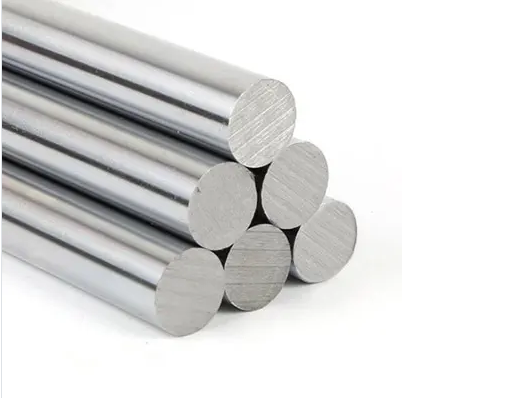
Inconel 690 is a high-chromium nickel-based alloy developed for demanding high-temperature and corrosion-resistant applications. With the designation UNS N06690 and W.Nr. 2.4642, this alloy is widely considered when equipment must maintain reliable performance in aggressive chemical environments, elevated temperatures, and long-term service conditions.
For engineers, procurement teams, and industrial manufacturers, selecting the correct nickel alloy is not simply a matter of choosing the material with the highest nickel content. The application environment, temperature, corrosion mechanism, mechanical requirements, product form, manufacturing process, and applicable specifications must all be considered.
This guide explains the characteristics of Inconel 690, its major advantages, typical applications, product forms, and the factors engineers should evaluate before purchasing the material.
What Is Inconel 690?
Inconel 690 is a nickel-chromium alloy characterized by its high chromium content and strong resistance to a range of corrosive environments.
The material is identified internationally as:
- Inconel Alloy 690
- UNS N06690
- W.Nr. 2.4642
- Nickel-chromium alloy 690
The combination of a nickel-rich matrix and high chromium content gives the alloy an important balance of corrosion resistance and high-temperature capability.
For applications where corrosion resistance is more important than maximum precipitation-hardened strength, Inconel 690 can be a practical material choice.
Why Is Inconel 690 Used in Demanding Industrial Equipment?
One of the primary reasons engineers consider Inconel 690 is its resistance to corrosion under severe operating conditions.
Industrial equipment may encounter:
- High temperatures
- Oxidizing environments
- Steam
- Water chemistry
- Chemical processing media
- Thermal cycling
- Long service periods
- Corrosive process fluids
Conventional stainless steels may not provide sufficient long-term performance in every one of these conditions.
A nickel-based alloy such as Inconel 690 provides a different performance envelope, particularly where elevated temperature and corrosion resistance must be considered together.
Key Properties of Inconel 690
1. High Chromium Content
The high chromium level of Inconel 690 is one of its defining metallurgical characteristics.
Chromium contributes to the formation of a protective oxide layer and plays an important role in the alloy's resistance to oxidation and corrosion.
This makes Inconel 690 particularly interesting for applications involving aggressive environments and elevated temperatures.
2. Excellent Corrosion Resistance
Inconel 690 is designed for environments where corrosion resistance is a major engineering requirement.
Its corrosion-resistant characteristics make it suitable for chemical processing equipment, heat-transfer components, and other industrial systems exposed to demanding media.
3. Good High-Temperature Performance
Nickel-based alloys are widely used when components must operate at temperatures where conventional materials begin to lose mechanical or corrosion resistance.
Inconel 690 retains useful performance at elevated temperatures and can therefore be considered for heat-resistant components and thermal-processing equipment.
4. Long-Term Service Capability
For industrial equipment, material selection should consider the complete operating lifecycle rather than only initial material cost.
A corrosion-resistant nickel alloy may offer advantages when replacement, maintenance, production downtime, and failure risks are expensive.
Inconel 690 in Nuclear Industry Applications
One of the most recognized application areas for Inconel 690 is nuclear power equipment.
Nuclear systems require materials capable of maintaining structural integrity and corrosion resistance over long operating periods.
Inconel 690 has been used for components associated with nuclear steam-generation systems and heat-transfer environments.
The reason is straightforward: the material provides a combination of nickel-based corrosion resistance, chromium-enhanced environmental resistance, and high-temperature capability.
For nuclear applications, however, material selection must always be based on the exact design code, specification, heat treatment, product form, service environment, and qualification requirements.
Inconel 690 for Heat Exchangers
Heat exchangers transfer thermal energy between fluids while maintaining separation between different process streams.
The tubes, sheets, and other components may experience:
- High temperature differences
- Pressure fluctuations
- Corrosive fluids
- Thermal cycling
- Flow-induced effects
- Long operating periods
Material failure can lead to leakage, shutdowns, maintenance costs, and potentially significant process interruptions.
Inconel 690 may be selected for heat-transfer applications where corrosion resistance and thermal stability are important.
Common Product Forms of Inconel 690
Depending on project requirements, Inconel 690 can be supplied in different forms, including:
- Pipe
- Tube
- Sheet
- Plate
- Bar
- Rod
- Strip
- Wire
- Rings
- Custom components
The appropriate product form depends on the final component design and manufacturing process.
For example, heat-exchanger applications may require tubes, while fabricated industrial equipment may require plate or sheet.
How Should Engineers Select Inconel 690?
Before ordering Inconel 690, engineers should confirm several parameters.
Operating Temperature
Determine the actual continuous and peak operating temperatures.
Corrosion Environment
Identify the process fluid, chemical concentration, pressure, oxygen level, water chemistry, and potential contaminants.
Product Form
Specify whether the project requires:
- Seamless tube
- Welded tube
- Pipe
- Plate
- Sheet
- Bar
- Wire
- Strip
- Forged or machined parts
Dimensions and Tolerances
Dimensions should be defined according to the applicable standard and final machining requirements.
Mechanical Requirements
Specify tensile strength, yield strength, elongation, hardness, and other mechanical requirements when applicable.
Inspection Requirements
For critical applications, buyers may require:
- Chemical composition inspection
- Mechanical testing
- Dimensional inspection
- Surface inspection
- Ultrasonic testing
- PMI
- Mill test certificates
- Heat-treatment records
The inspection level should be agreed before production.
Inconel 690 vs Conventional Stainless Steel
The choice between Inconel 690 and stainless steel depends on the application.
Stainless steel can be an economical solution for many general industrial environments.
However, when the operating conditions involve higher temperatures, more aggressive corrosion, or stricter long-term reliability requirements, a nickel-based alloy may provide a more suitable performance margin.
Therefore, material selection should be based on the actual service environment rather than simply comparing purchase prices.
Frequently Asked Questions About Inconel 690
What is Inconel 690?
Inconel 690 is a high-chromium nickel-based alloy identified as UNS N06690 and W.Nr. 2.4642, known for corrosion resistance and high-temperature performance.
Is Inconel 690 suitable for heat exchangers?
Yes. Inconel 690 can be considered for heat-exchanger components where corrosion resistance, thermal stability, and long-term service performance are important.
What is UNS N06690?
UNS N06690 is the Unified Numbering System designation for Inconel Alloy 690.
What products can be manufactured from Inconel 690?
Depending on project requirements, Inconel 690 may be supplied as tube, pipe, plate, sheet, bar, rod, wire, strip, rings, and customized components.
How should I select the correct Inconel 690 product?
Start with the service temperature, corrosive environment, dimensions, product form, applicable standard, mechanical requirements, and inspection requirements.
Conclusion
Inconel 690 is an important nickel-based material for applications where corrosion resistance and high-temperature performance must work together.
Its UNS N06690 designation, high chromium content, nickel-based structure, and established use in demanding industrial environments make it a material worth considering for heat exchangers, chemical processing equipment, nuclear-related components, and other high-performance applications.
The correct material specification should always be determined according to the actual service conditions and applicable engineering standards.
About Alloysfactory
Danyang Jiaxin New Materials Technology Co., Ltd. specializes in nickel-based special alloys, corrosion-resistant alloys, high-temperature alloys, and precision alloys. The company supplies pipes, tubes, bars, rods, wires, sheets, plates, strips, rings, fasteners, welding materials, and customized components.
Website: https://www.alloysfactory.com/
Email: sales@alloysfactory.com
WhatsApp: +86 180 5277 8977
Address: Room 412, Building 10, Fuqian Xingzuo Garden, Development Zone, Danyang City, Jiangsu Province, China
For Inconel 690 material inquiries, drawings, specifications, dimensions, or customized requirements, contact Alloysfactory for technical and quotation support.
Thank you very much for writing to us. Please leave your message and contact information, we will reply to you within 24 hours.