When engineers need a nickel-based superalloy for demanding environments, Inconel 625 and Inconel 718 are two of the most commonly considered materials. Both alloys provide excellent strength, corrosion resistance, and high-temperature performance, but they achieve these properties through different metallurgical mechanisms.
Choosing between Inconel 625 and Inconel 718 depends on the actual service environment, temperature, required mechanical strength, corrosion conditions, fabrication method, and application requirements.
This guide explains the key differences between Inconel 625 and Inconel 718, including chemical composition, strengthening mechanisms, mechanical properties, corrosion resistance, temperature capability, welding characteristics, applications, and material selection considerations.
What Is Inconel 625?
Inconel 625 is a nickel-chromium-molybdenum alloy strengthened primarily through solid-solution strengthening. Its high nickel content provides excellent resistance to chloride-ion stress corrosion cracking and many aggressive chemical environments.
The addition of molybdenum and niobium significantly improves resistance to pitting, crevice corrosion, and localized corrosion.
Typical characteristics of Inconel 625 include:
- Excellent corrosion resistance
- High resistance to pitting and crevice corrosion
- Good resistance to chloride stress corrosion cracking
- Excellent weldability
- Good strength from cryogenic temperatures to elevated temperatures
- Strong resistance to seawater
- Good fatigue resistance
- Excellent performance in chemical processing and marine environments
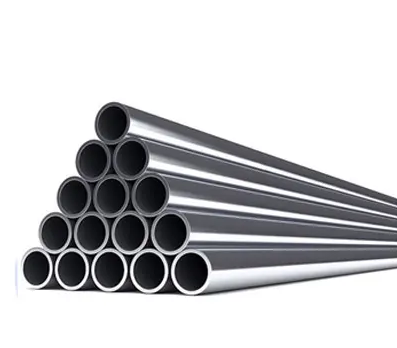
The alloy is commonly supplied as plate, sheet, bar, rod, pipe, tube, wire, strip, and fabricated components.
What Is Inconel 718?
Inconel 718 is a precipitation-hardenable nickel-iron-chromium alloy designed for very high mechanical strength.
Unlike Inconel 625, whose primary strengthening mechanism is solid-solution strengthening, Inconel 718 obtains much of its strength from precipitation hardening involving phases such as gamma double prime.
This makes Inconel 718 particularly attractive for components that must maintain high tensile strength, yield strength, and fatigue resistance under elevated temperatures.
Common applications include:
- Aerospace engine components
- Gas turbines
- High-strength fasteners
- Oil and gas equipment
- Turbine components
- Rocket engines
- High-temperature structural components
Inconel 625 vs Inconel 718: Chemical Composition
The two alloys have significantly different compositions.
Inconel 625 contains substantial amounts of chromium and molybdenum, with niobium contributing to its solid-solution strengthening.
Inconel 718 contains nickel, iron, chromium, niobium, molybdenum, titanium and aluminum. The carefully controlled additions of titanium and aluminum help form strengthening precipitates during heat treatment.
The simplified comparison is:
Strength: Which Is Stronger?
If the primary requirement is mechanical strength, Inconel 718 is generally the better choice.
Its precipitation-hardening mechanism allows it to achieve very high yield strength and tensile strength after appropriate heat treatment.
Inconel 625 is also a strong alloy, but its major advantage is the balance between mechanical strength, corrosion resistance, weldability, and fabrication performance.
Therefore:
Choose Inconel 718 when maximum mechanical strength is a priority.
Choose Inconel 625 when corrosion resistance, weldability, and environmental durability are more important.
Corrosion Resistance Comparison
Corrosion resistance is one of the most important differences between these two alloys.
Inconel 625 has outstanding resistance to:
- Chloride-containing environments
- Seawater
- Pitting corrosion
- Crevice corrosion
- Acidic environments
- Chemical processing environments
- Stress corrosion cracking
Its high molybdenum content is particularly beneficial for localized corrosion resistance.
Inconel 718 also has good corrosion resistance, but it is usually selected primarily for its mechanical properties rather than maximum corrosion resistance.
For offshore, marine, chemical processing, and highly corrosive environments, Inconel 625 may therefore be a more appropriate choice.
Inconel 625 vs 718 for High-Temperature Applications
Both alloys perform well at elevated temperatures, but their strengths are different.
Inconel 718 is particularly attractive for high-temperature mechanical components where high strength and fatigue resistance are required.
Inconel 625 is often preferred where the material must simultaneously withstand heat and aggressive chemical environments.
The final selection should consider:
- Actual operating temperature
- Stress level
- Exposure time
- Corrosive medium
- Required fatigue performance
- Heat treatment condition
- Fabrication process
Rather than selecting an alloy based only on its maximum temperature rating, engineers should evaluate the complete service environment.
Weldability
Inconel 625 is widely recognized for excellent weldability.
It is commonly used as a welding material and cladding alloy because it combines corrosion resistance with relatively good fabrication characteristics.
Inconel 718 can also be welded, but its precipitation-hardening behavior makes welding and post-weld heat treatment more demanding.
For complex welded structures, Inconel 625 may therefore offer a practical advantage.
Inconel 625 vs Inconel 718 Applications
Inconel 625 Applications
Inconel 625 is commonly used in:
- Offshore oil and gas equipment
- Marine engineering
- Chemical processing
- Heat exchangers
- Pressure vessels
- Flue gas systems
- Aerospace exhaust systems
- Nuclear engineering
- Pollution control equipment
- Seawater handling systems
Inconel 718 Applications
Inconel 718 is widely used for:
- Aircraft engine components
- Gas turbines
- Rocket engines
- Turbine discs
- Shafts
- High-strength fasteners
- Aerospace structural components
- Oil and gas drilling equipment
- High-temperature mechanical components
How to Choose Between Inconel 625 and 718
A practical selection approach is to ask five questions.
1. Is corrosion resistance the primary requirement?
If yes, Inconel 625 should be considered first.
2. Is maximum mechanical strength more important?
If yes, Inconel 718 is usually the stronger candidate.
3. Does the component require extensive welding?
Inconel 625 generally provides a more fabrication-friendly solution.
4. Is the component a highly loaded aerospace part?
Inconel 718 is frequently preferred because of its precipitation-hardened strength.
5. Will the material operate in seawater or chloride-rich conditions?
Inconel 625 is often an excellent choice because of its strong localized corrosion resistance.
Frequently Asked Questions
Is Inconel 625 stronger than Inconel 718?
Generally, no. Heat-treated Inconel 718 typically provides higher mechanical strength than Inconel 625. However, Inconel 625 offers an excellent combination of strength and corrosion resistance.
Which is better for seawater?
Inconel 625 is generally the preferred option for demanding seawater applications because of its excellent resistance to pitting, crevice corrosion, and chloride-related corrosion.
Which alloy is better for aerospace?
It depends on the component. Inconel 718 is widely used for highly stressed aerospace components, while Inconel 625 is attractive for components requiring corrosion resistance and good weldability.
Can Inconel 625 and 718 be welded?
Yes. Both alloys can be welded, but their welding procedures and post-weld heat-treatment requirements differ.
Final Selection
There is no universal winner between Inconel 625 and Inconel 718.
Inconel 625 is the stronger candidate when corrosion resistance, seawater performance, weldability, and chemical stability are priorities.
Inconel 718 is generally the better option when very high mechanical strength, fatigue resistance, and precipitation-hardening capability are required.
For a project-specific recommendation, engineers should evaluate the operating temperature, stress, corrosion medium, dimensions, heat treatment, manufacturing process, and applicable material standards together.
Need Inconel 625 or Inconel 718?
Danyang Jiaxin New Materials Technology Co., Ltd. specializes in nickel-based special alloys and supplies products in pipes, tubes, bars, rods, wires, plates, strips and other forms. Custom non-standard sizes and finished parts can also be manufactured according to drawings and technical specifications.
Website: https://www.alloysfactory.com/
Email: sales@alloysfactory.com
Phone / WhatsApp: +86 18052778977
Company: Danyang Jiaxin New Materials Technology Co., Ltd.
Location: Danyang City, Jiangsu Province, China
Contact AlloysFactory to discuss your Inconel 625 or Inconel 718 requirements, material specifications, dimensions, quantities, and customized production needs.
Thank you very much for writing to us. Please leave your message and contact information, we will reply to you within 24 hours.