Chemical processing equipment operates under some of the most demanding material conditions in modern industry. Acids, chlorides, sulfur-containing compounds, elevated temperatures, and continuously changing process conditions can create serious corrosion challenges.
Incoloy 825, also known as Alloy 825 or UNS N08825, is a nickel-iron-chromium alloy developed for applications where corrosion resistance is a primary design requirement.
Its combination of nickel, chromium, molybdenum, copper, and titanium provides a broad corrosion-resistant capability that makes Incoloy 825 suitable for a variety of chemical, oil and gas, marine, and industrial processing applications.
What Is Incoloy 825?
Incoloy 825 is a nickel-based corrosion-resistant alloy identified by UNS N08825 and W.Nr. 2.4858.
Unlike some nickel alloys designed primarily for high-temperature strength, Incoloy 825 is particularly valued for its resistance to different forms of corrosion.
Its alloying system is designed to provide resistance against:
- General corrosion
- Pitting
- Crevice corrosion
- Stress-corrosion cracking
- Chemical processing environments
- Sulfuric acid environments
- Phosphoric acid environments
This makes it an attractive material for equipment exposed to complex chemical media.
Why Is Incoloy 825 Important for Chemical Processing?
Corrosion in chemical processing equipment can cause:
- Wall thinning
- Leakage
- Contamination
- Unexpected shutdowns
- Product loss
- Maintenance costs
- Safety concerns
Choosing a material with appropriate corrosion resistance can therefore have a major impact on the total lifecycle cost of equipment.
Incoloy 825 is often considered when standard stainless steels do not provide sufficient corrosion resistance for the process environment.
Major Characteristics of Incoloy 825
Nickel
Nickel forms the foundation of the alloy and contributes to its resistance to several corrosive environments.
Chromium
Chromium improves resistance to oxidizing environments and contributes to the formation of protective surface films.
Molybdenum
Molybdenum is particularly important for improving resistance to localized corrosion, including pitting and crevice corrosion.
Copper
Copper contributes to resistance in certain reducing acid environments.
Titanium
Titanium is used as a stabilizing element and can contribute to resistance against certain forms of intergranular corrosion following fabrication and welding.
Incoloy 825 for Acid Service
Chemical processing industries frequently deal with acids that can be highly aggressive toward conventional metals.
Sulfuric acid, phosphoric acid, and other chemical media can create complex corrosion mechanisms depending on:
- Concentration
- Temperature
- Flow rate
- Contaminants
- Pressure
- Oxygen content
Incoloy 825 is often selected because its alloying system provides broad resistance across challenging chemical environments.
However, no alloy should be selected solely based on the chemical name. Engineers should evaluate the complete operating environment before finalizing the material.
Applications of Incoloy 825
Incoloy 825 is used or considered for a variety of industrial applications.
Chemical Processing
Typical applications include:
- Chemical processing equipment
- Reactors
- Tanks
- Piping systems
- Heat exchangers
- Process vessels
- Evaporators
- Acid-handling equipment
Oil and Gas
In oil and gas systems, materials can encounter corrosive fluids containing chlorides, sulfur compounds, carbon dioxide, and other contaminants.
Incoloy 825 may be considered for selected components where corrosion resistance is essential.
Marine Applications
Marine environments contain chloride-rich seawater that can cause localized corrosion in many alloys.
Incoloy 825 provides corrosion resistance that can make it useful for selected marine and offshore components.
Pollution Control Equipment
Industrial pollution-control systems can expose equipment to acidic gases, condensates, and chemical compounds.
Nickel-based corrosion-resistant alloys can provide longer service life than conventional materials in demanding environments.
Incoloy 825 Tubes and Pipes
Tube and pipe products are particularly important for chemical processing and heat-transfer systems.
When purchasing Incoloy 825 tube or pipe, buyers should specify:
- Outside diameter
- Wall thickness
- Length
- Seamless or welded construction
- Applicable standard
- Heat treatment
- Surface condition
- Testing requirements
- Quantity
For critical applications, buyers should also define documentation requirements before production begins.
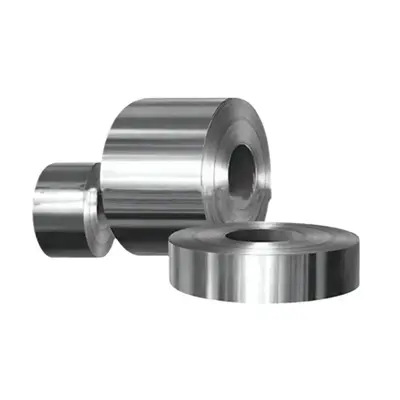
Incoloy 825 Sheet and Plate
Sheet and plate products are commonly used to manufacture:
- Chemical tanks
- Pressure equipment
- Process vessels
- Fabricated components
- Linings
- Heat-exchanger components
Thickness, width, length, flatness, surface condition, and mechanical properties should be confirmed according to the project specification.
Is Incoloy 825 Better Than Stainless Steel?
There is no universally "better" material.
Stainless steel may be the correct choice for a moderate corrosion environment where cost efficiency is important.
Incoloy 825 becomes more attractive when the process environment contains combinations of aggressive chemicals, chlorides, elevated temperature, or localized-corrosion risks.
The correct engineering approach is to compare the materials under the actual service conditions.
Incoloy 825 Material Selection Checklist
Before purchasing Incoloy 825, consider:
- What chemicals will contact the material?
- What is the chemical concentration?
- What is the operating temperature?
- Is chloride present?
- Is the equipment continuously exposed or intermittently exposed?
- Is welding required?
- What product form is needed?
- What dimensional tolerances are required?
- Which standard applies?
- What inspection and certification documents are required?
Providing these details to the supplier can significantly improve material selection and quotation accuracy.
Frequently Asked Questions About Incoloy 825
What is Incoloy 825?
Incoloy 825 is a nickel-iron-chromium corrosion-resistant alloy designated UNS N08825 and W.Nr. 2.4858.
Is Incoloy 825 resistant to acids?
Incoloy 825 offers resistance to several aggressive chemical environments, including selected sulfuric and phosphoric acid conditions. Exact suitability depends on concentration, temperature, impurities, and other operating factors.
What is the difference between Incoloy 825 and stainless steel?
Incoloy 825 is a nickel-based alloy designed for more demanding corrosion environments, while stainless steels cover a broader range of applications with different corrosion and cost requirements.
Can Incoloy 825 be supplied as tube?
Yes. Incoloy 825 can be supplied in tube, pipe, sheet, plate, bar, rod, strip, wire, and other forms depending on manufacturing capability and project requirements.
What information should I provide when requesting an Incoloy 825 quotation?
Provide the required product form, dimensions, quantity, applicable standard, service environment, mechanical requirements, surface condition, testing requirements, and delivery requirements.
Conclusion
Incoloy 825 is a versatile nickel-based alloy for industries where corrosion resistance is a central engineering concern.
Its combination of nickel, chromium, molybdenum, copper, and titanium provides a broad range of corrosion-resistant properties that make it suitable for chemical processing, oil and gas, marine, pollution-control, and other demanding industrial applications.
Selecting the correct grade requires more than identifying a chemical name. The concentration, temperature, contaminants, mechanical requirements, fabrication method, and expected service life should all be considered.
About Alloysfactory
Danyang Jiaxin New Materials Technology Co., Ltd. supplies high-performance nickel-based alloys, corrosion-resistant alloys, high-temperature alloys, precision alloys, and related welding materials.
Website: https://www.alloysfactory.com/
Email: sales@alloysfactory.com
WhatsApp: +86 180 5277 8977
Address: Room 412, Building 10, Fuqian Xingzuo Garden, Development Zone, Danyang City, Jiangsu Province, China
Contact Alloysfactory for Incoloy 825 tubes, pipes, sheets, plates, bars, wires, customized dimensions, and project-specific material requirements.
Thank you very much for writing to us. Please leave your message and contact information, we will reply to you within 24 hours.