Hastelloy C-276 vs C-22: Which Grade Should You Choose?
Hastelloy C-276 and Hastelloy C-22 are two highly corrosion-resistant nickel-based alloys used in chemical processing and other aggressive environments.
Because both grades belong to the Hastelloy C-family, they are sometimes treated as interchangeable.
That approach can lead to incorrect material selection.
The practical distinction is:
Hastelloy C-276 is a highly versatile corrosion-resistant alloy with excellent resistance across many reducing and oxidizing environments, while Hastelloy C-22 is particularly attractive when resistance to oxidizing media, localized corrosion and mixed chemical environments is critical.
Both grades are listed in the Hastelloy product portfolio of Danyang Jiaxin New Materials Technology Co., Ltd.
What Is Hastelloy C-276?
Hastelloy C-276 is designated UNS N10276.
It is a nickel-molybdenum-chromium alloy with tungsten and other alloying elements that provide broad corrosion resistance.
The alloy is widely considered for:
- Chemical processing
- Pollution-control equipment
- Acid processing
- Scrubber systems
- Chemical reactors
- Heat exchangers
- Piping
- Pumps and valves
One of its major advantages is its ability to perform in a wide range of aggressive environments.
What Is Hastelloy C-22?
Hastelloy C-22 is designated UNS N06022.
It is a nickel-chromium-molybdenum alloy designed for strong resistance to both general and localized corrosion.
It is particularly attractive for environments where the material may encounter:
- Oxidizing acids
- Chlorides
- Wet chlorine
- Mixed chemical streams
- Strongly oxidizing process conditions
The combination of chromium, molybdenum and tungsten contributes to its corrosion-resistant performance.
Hastelloy C-276 vs C-22: Chemistry
The two grades have related alloying concepts but different balances of chromium, molybdenum, tungsten and other elements.
The difference is important because alloying elements affect how the material behaves in different chemical environments.
C-276
Its composition is designed for broad resistance in both reducing and oxidizing conditions.
C-22
Its higher chromium emphasis makes it particularly attractive for oxidizing environments and localized corrosion resistance.
For procurement, always verify the exact chemistry against the specified ASTM, ASME or other material standard.
Pitting and Crevice Corrosion
Localized corrosion is often more dangerous than uniform corrosion because a component can appear acceptable externally while suffering severe penetration at a small area.
Both C-276 and C-22 offer strong resistance to:
- Pitting
- Crevice corrosion
- Stress corrosion cracking
C-22 is frequently considered when chloride-containing oxidizing environments create a significant localized-corrosion risk.
C-276 remains an excellent choice where the process contains a complicated combination of corrosive species.
Oxidizing vs Reducing Environments
Understanding the process chemistry is essential.
Oxidizing Conditions
These may include environments containing:
- Chlorine
- Ferric ions
- Cupric ions
- Oxidizing acids
C-22 is often a strong candidate for such service because of its chromium-rich corrosion-resistant design.
Reducing Conditions
Reducing environments may involve:
- Hydrochloric acid
- Sulfuric acid
- Hydrogen chloride
- Other reducing chemical streams
C-276 is widely considered for many such environments.
However, actual performance depends on concentration, temperature, contaminants and flow conditions.
Hastelloy C-276 vs C-22 in Chemical Processing
Chemical processing is one of the most important application areas for both materials.
Potential applications include:
- Reactor vessels
- Process piping
- Heat exchangers
- Scrubbers
- Pumps
- Valves
- Agitators
- Chemical storage equipment
C-276 is particularly useful where process chemistry can vary significantly.
C-22 can be attractive where oxidizing and localized corrosion mechanisms dominate.
Hastelloy C-276 vs C-22 for Waste Gas Scrubbers
Pollution-control and flue-gas systems can expose equipment to chlorides, sulfur compounds, acidic condensates and oxidizing species.
This creates a highly demanding environment.
Both C-276 and C-22 can be considered for:
- Scrubber internals
- Spray headers
- Duct components
- Heat exchangers
- Process piping
The correct grade should be determined from actual gas composition, liquid chemistry, temperature and operating conditions.
Hastelloy C-276 vs C-22 for Piping
For corrosion-resistant piping, engineers should evaluate:
- Fluid composition
- Temperature
- Pressure
- Chloride level
- Flow velocity
- Welded joints
- Corrosion allowance
- Inspection requirements
The product form also matters.
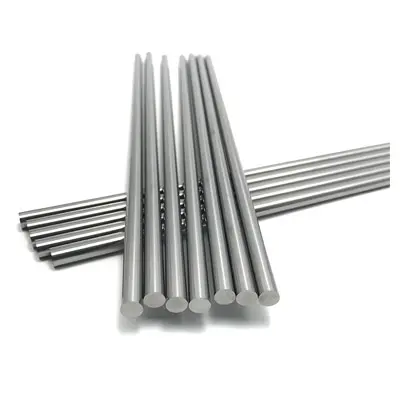
Danyang Jiaxin New Materials Technology Co., Ltd. offers nickel alloy product forms including pipe, tube, bar, rod, plate, sheet, strip and wire.
Welding Considerations
Both C-276 and C-22 are used in welded corrosion-resistant equipment.
For fabrication, engineers should control:
- Welding heat input
- Interpass temperature
- Joint preparation
- Surface contamination
- Filler metal selection
- Post-weld inspection
For corrosion-critical equipment, welding quality can be just as important as base-metal selection.
A high-performance alloy cannot compensate for poor welding practices.
C-276 vs C-22: Application Comparison
The final selection should be based on actual chemistry rather than this generalized comparison.
How to Select C-276 or C-22
Use the following engineering checklist.
Step 1: Identify the Chemicals
Do not simply state “acid service.”
Specify:
- Acid type
- Concentration
- Chloride content
- Oxidizing species
- Contaminants
Step 2: Determine Temperature
Corrosion rates can change significantly with temperature.
Step 3: Evaluate Localized Corrosion
Check whether pitting and crevice corrosion are likely.
Step 4: Consider Fabrication
Determine whether the component will be:
- Welded
- Machined
- Formed
- Forged
Step 5: Confirm the Specification
Specify:
- UNS number
- ASTM standard
- Product form
- Heat treatment
- Inspection requirements
- Surface condition
Frequently Asked Questions
Is Hastelloy C-22 better than C-276?
Neither is universally better. C-22 is particularly attractive for many oxidizing and localized-corrosion environments, while C-276 provides very broad corrosion resistance.
What is the UNS number of Hastelloy C-276?
UNS N10276.
What is the UNS number of Hastelloy C-22?
UNS N06022.
Which is better for chemical processing?
Both can be excellent choices. The actual chemical composition and operating conditions should determine the final selection.
Can C-22 replace C-276?
Not automatically. Material substitution should be approved after evaluating the complete process environment.
Conclusion
Hastelloy C-276 and Hastelloy C-22 are both premium corrosion-resistant nickel alloys, but their alloy chemistry gives them different strengths in specific environments.
C-276 is a versatile choice for broad and complex corrosion conditions, while C-22 is particularly attractive for oxidizing environments and severe localized-corrosion risks.
For critical chemical equipment, material selection should always be based on actual process chemistry, temperature, pressure and fabrication requirements.
Hastelloy C-276 and C-22 Supplier
Danyang Jiaxin New Materials Technology Co., Ltd. supplies Hastelloy C-276, Hastelloy C-22 and other corrosion-resistant nickel alloys in multiple product forms. The company provides customized sizes and supports global industrial procurement.
Company: Danyang Jiaxin New Materials Technology Co., Ltd.
Website: https://www.alloysfactory.com/
Email: simon@alloysfactory.com
Phone: +86 177 6878 6989
WhatsApp: +86 177 6878 6989
Address: Room 412, Building 10, Fuqian Xingzuo Garden, Development Zone, Danyang City, Jiangsu Province, China
Contact us with your chemical environment, alloy grade, product form, dimensions and quantity for a professional quotation.
Thank you very much for writing to us. Please leave your message and contact information, we will reply to you within 24 hours.