Hastelloy C-276 is one of the most recognized nickel-molybdenum-chromium alloys for severe corrosion environments. Its combination of resistance to localized corrosion, reducing acids and oxidizing conditions makes it an important engineering material for chemical processing and pollution-control equipment.
What Is Hastelloy C-276?
Hastelloy C-276 is a nickel-based corrosion-resistant alloy containing significant chromium and molybdenum, with tungsten contributing to its resistance to aggressive environments.
The alloy was developed to provide reliable corrosion resistance where conventional stainless steels and lower-alloy materials may experience rapid degradation.
Major Properties of Hastelloy C-276
Important characteristics include:
- Excellent general corrosion resistance
- Strong pitting resistance
- High resistance to crevice corrosion
- Good resistance to stress corrosion cracking
- Resistance to many aggressive chemical environments
- Good weldability
- Useful high-temperature corrosion performance
The exact performance depends on chemical concentration, temperature, impurities and operating conditions.
Why Is Hastelloy C-276 Resistant to Corrosion?
The alloy's chemistry is carefully balanced.
Chromium contributes to resistance in oxidizing environments, while molybdenum and tungsten improve resistance to localized corrosion and reducing environments.
This combination gives C-276 a broad corrosion-resistance profile.
Hastelloy C-276 Applications
Hastelloy C-276 is commonly considered for:
Chemical Processing
Chemical reactors, piping, heat exchangers, valves and other process equipment can be exposed to aggressive acids and mixed chemical environments.
Pollution Control
Flue-gas desulfurization systems can involve wet, chloride-containing and acidic conditions. Corrosion-resistant alloys are therefore important in selected components.
Oil and Gas
Components exposed to sour and corrosive service may require nickel-based corrosion-resistant alloys.
Waste Treatment
Waste streams can contain complex mixtures of acids, chlorides and other aggressive compounds.
Hastelloy C-276 vs Stainless Steel
Stainless steels are excellent general-purpose engineering materials, but severe corrosion environments may exceed their practical limits.
Hastelloy C-276 is typically considered when the combination of:
- Chlorides
- Acids
- High temperature
- Localized corrosion
- Mixed chemical environments
creates a higher corrosion risk.
The higher material cost should therefore be evaluated against equipment life, maintenance requirements and failure risk.
Product Forms
Depending on project requirements, Hastelloy C-276 can be manufactured or supplied in forms including:
- Plate
- Sheet
- Strip
- Bar
- Rod
- Pipe
- Tube
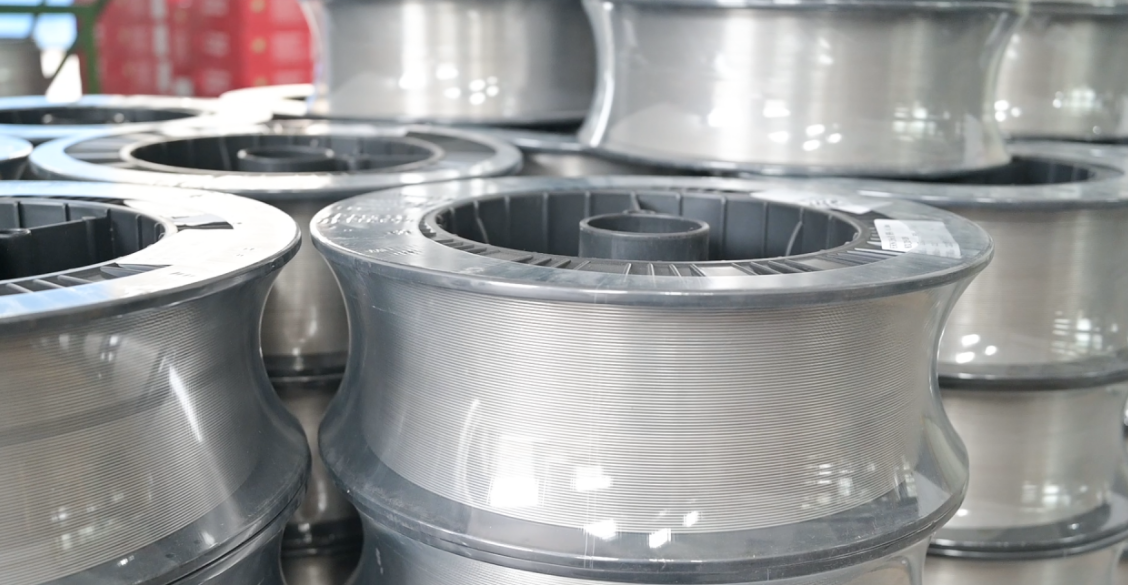
- Wire
- Welding products
- Custom components
How to Specify Hastelloy C-276
A professional material inquiry should include:
- Alloy grade
- Product form
- Dimensions
- Quantity
- Required standard
- Heat-treatment condition
- Inspection requirements
- Application environment
Providing complete information allows suppliers to prepare a more accurate technical and commercial quotation.
Conclusion
Hastelloy C-276 remains an important material for severe corrosion applications because it combines broad chemical resistance with useful mechanical and fabrication properties.
However, material selection should always be based on actual process conditions rather than assuming that one alloy is universally suitable.
For Hastelloy C-276 sheets, plates, bars, pipes, tubes, wires or customized products, contact AlloysFactory for technical support.
Company: Danyang Jiaxin New Materials Technology Co., Ltd.
Phone / WhatsApp: +86 18052778977
Email: sales@alloysfactory.com
Website: alloysfactory.com
Thank you very much for writing to us. Please leave your message and contact information, we will reply to you within 24 hours.