Hastelloy C-276 is one of the most widely recognized nickel-based corrosion-resistant alloys for severe chemical processing environments. Its combination of nickel, chromium, molybdenum and tungsten provides excellent resistance to a broad range of aggressive chemicals and localized corrosion mechanisms.
The alloy is commonly identified as Hastelloy C-276, UNS N10276, and W.Nr. 2.4819.
For engineers, procurement teams, and industrial equipment manufacturers, understanding the properties and applications of Hastelloy C-276 is essential when selecting materials for chemical processing, pollution control, oil and gas, pharmaceutical, and other corrosive environments.
What Is Hastelloy C-276?
Hastelloy C-276 is a nickel-molybdenum-chromium alloy with tungsten addition.
The alloy was developed to provide strong resistance to a wide variety of corrosive environments, particularly those involving combinations of acids, chlorides, oxidizing species, and reducing conditions.
Its major advantages include:
- Excellent general corrosion resistance
- Strong resistance to pitting
- Excellent resistance to crevice corrosion
- Good resistance to stress corrosion cracking
- Resistance to many oxidizing and reducing chemicals
- Good weldability
- Excellent performance in chemical processing equipment
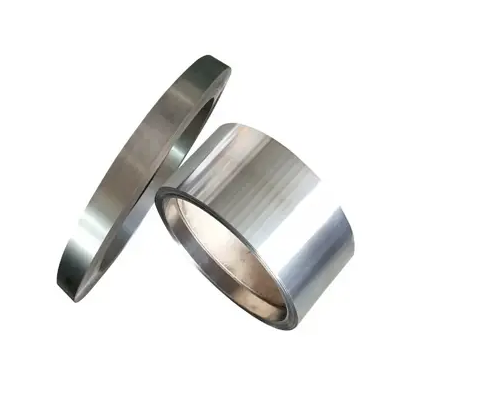
The material is available in different product forms, including plate, sheet, bar, tube, pipe, wire and fabricated components.
Why Is Hastelloy C-276 Highly Corrosion Resistant?
The performance of Hastelloy C-276 comes from its carefully balanced chemical composition.
Nickel
Nickel provides the alloy's corrosion-resistant matrix and contributes to stability in aggressive chemical environments.
Chromium
Chromium improves resistance to oxidizing environments and helps develop a protective passive surface.
Molybdenum
Molybdenum is particularly important for resistance to pitting and crevice corrosion.
Tungsten
Tungsten further improves resistance to localized corrosion and certain aggressive chemical conditions.
The combination of these elements gives Hastelloy C-276 broad corrosion resistance rather than focusing on only one type of chemical environment.
Hastelloy C-276 Corrosion Resistance
One of the biggest reasons industries select C-276 is its resistance to multiple corrosion mechanisms.
These include:
- General corrosion
- Pitting corrosion
- Crevice corrosion
- Stress corrosion cracking
- Oxidizing acid attack
- Reducing acid environments
- Chloride-containing environments
This makes the alloy particularly useful where the chemical composition of the process environment can change during operation.
Hastelloy C-276 Applications
Hastelloy C-276 is used across several industries.
Chemical Processing
Typical equipment includes:
- Reactors
- Heat exchangers
- Process piping
- Pumps
- Valves
- Scrubbers
- Columns
- Storage equipment
Pollution Control
The alloy is frequently considered for flue gas desulfurization systems and other pollution-control equipment exposed to corrosive chemical mixtures.
Oil and Gas
C-276 may be selected for severe sour and corrosive environments, depending on the exact service conditions and applicable standards.
Pharmaceutical Industry
Its corrosion resistance and cleanability can make it useful in selected process equipment where aggressive cleaning chemicals are involved.
Waste Treatment
Chemical waste processing often involves mixed and unpredictable corrosive environments, making broad corrosion resistance particularly valuable.
Hastelloy C-276 vs Stainless Steel
A common engineering question is whether Hastelloy C-276 is better than stainless steel.
The answer depends on the environment.
Standard stainless steels can provide excellent corrosion resistance in many applications and are usually more economical.
However, aggressive combinations of chlorides, acids, oxidizing agents, and reducing chemicals can exceed the practical capability of conventional stainless steel.
In those situations, Hastelloy C-276 may provide significantly greater corrosion resistance and longer service life.
The material should therefore be selected based on the actual chemical environment rather than price alone.
Hastelloy C-276 vs Hastelloy C-22
Hastelloy C-276 and C-22 are both highly corrosion-resistant nickel alloys.
C-22 is particularly attractive in certain oxidizing and mixed chemical environments, while C-276 offers a very broad range of resistance and has a long history of industrial use.
The correct choice depends on:
- Chemical composition
- Temperature
- Chloride concentration
- pH
- Oxidizing potential
- Pressure
- Process conditions
- Welding requirements
For critical equipment, corrosion testing and engineering review should be performed before final material selection.
Hastelloy C-276 Welding
Hastelloy C-276 is generally considered weldable using appropriate procedures.
However, welding nickel alloys requires control of:
- Heat input
- Joint preparation
- Filler material
- Interpass temperature
- Surface cleanliness
- Welding procedure qualification
For high-integrity equipment, the welding procedure should be established according to the applicable project standard and code.
Hastelloy C-276 Product Forms
Industrial buyers may require Hastelloy C-276 in different forms, including:
- Hastelloy C-276 plate
- Hastelloy C-276 sheet
- Hastelloy C-276 bar
- Hastelloy C-276 rod
- Hastelloy C-276 pipe
- Hastelloy C-276 tube
- Hastelloy C-276 wire
- Custom-machined parts
Selecting the correct product form can influence material utilization, fabrication cost, delivery time, and final component performance.
How to Select Hastelloy C-276
Before ordering C-276, buyers should confirm:
- UNS designation
- Product form
- Dimensions
- Applicable ASTM/ASME specification
- Heat treatment condition
- Mechanical requirements
- Chemical composition requirements
- Surface condition
- Testing requirements
- Certification requirements
For international procurement, material certificates and traceability should also be clearly defined.
Frequently Asked Questions
What is Hastelloy C-276 used for?
Hastelloy C-276 is widely used in chemical processing, pollution control, oil and gas, waste treatment, pharmaceutical processing, and other severe corrosion environments.
Is Hastelloy C-276 better than stainless steel?
For highly aggressive chemical environments, C-276 can provide substantially better corrosion resistance than conventional stainless steels. However, stainless steel may be more economical for less aggressive conditions.
Is Hastelloy C-276 weldable?
Yes. Hastelloy C-276 can be welded using suitable procedures and compatible filler materials.
What is the UNS number for Hastelloy C-276?
Hastelloy C-276 is commonly identified as UNS N10276.
Is Hastelloy C-276 suitable for acidic environments?
It can provide excellent resistance to many acidic environments, but the actual suitability depends on acid type, concentration, temperature, impurities and operating conditions.
Conclusion
Hastelloy C-276 is an advanced nickel-based alloy designed for demanding corrosion environments where conventional materials may not provide sufficient service life.
Its combination of nickel, chromium, molybdenum and tungsten provides broad resistance to corrosion, including localized corrosion and stress corrosion cracking.
For chemical processing, pollution control, oil and gas, and other demanding applications, Hastelloy C-276 remains an important material-selection option.
Source Hastelloy C-276 from an Experienced Supplier
Danyang Jiaxin New Materials Technology Co., Ltd. supplies Hastelloy alloys including C-276, C-22, C-4, C-2000, B-2, B-3 and other nickel-based special alloys.
Website: https://www.alloysfactory.com/
Email: sales@alloysfactory.com
Phone / WhatsApp: +86 18052778977
Company: Danyang Jiaxin New Materials Technology Co., Ltd.
Location: Danyang City, Jiangsu Province, China
Contact AlloysFactory for Hastelloy C-276 sheets, plates, bars, pipes, tubes, wires and customized nickel alloy products.
Thank you very much for writing to us. Please leave your message and contact information, we will reply to you within 24 hours.