Chemical‑processing plants face extremely harsh working conditions: mixed acids, wet chlorine, halogen ions, pitting risk and stress‑corrosion cracking. Ordinary stainless steel quickly suffers corrosion damage under these conditions, causing equipment leakage, unplanned shutdown and safety hazards. Hastelloy nickel‑chromium‑molybdenum alloys are widely accepted as the benchmark material for aggressive chemical‑process service worldwide.
What makes Hastelloy alloys stand out from other nickel‑based alloys?
Hastelloy series adds high‑content molybdenum plus tungsten to nickel‑chromium substrate. This special chemical composition delivers dual‑property advantages: strong resistance to both oxidizing and reducing corrosive media. It provides excellent defense against pitting corrosion, crevice corrosion and stress‑corrosion cracking caused by chloride ions, which are major failure drivers for chemical‑process equipment.
Mainstream Hastelloy grades and core strengths
- Hastelloy C‑276 (UNS N10276): The most widely‑used grade. Resists most mixed‑acid environments, flue‑gas scrubber media, wet‑chlorine gas. Good weldability without post‑weld heat‑treatment requirements.
- Hastelloy C‑22 (UNS N06022): Enhanced oxidation‑corrosion performance, ideal for mixed oxidizing‑acid working conditions.
- Hastelloy B‑3 (UNS N10675): Specialized for pure reducing‑acid environments such as high‑temperature hydrochloric acid.
Typical industrial applications of Hastelloy alloy products
- Chemical processing: reactor liners, heat‑exchanger tubes, valve bodies, pump components, piping systems
- Petrochemical industry: sour‑medium processing equipment, sulfur‑acid plant hardware
- Pollution‑control: flue‑gas desulfurization scrubber internal parts
- Pharmaceutical and fine‑chemical production: corrosion‑resistant reaction vessels
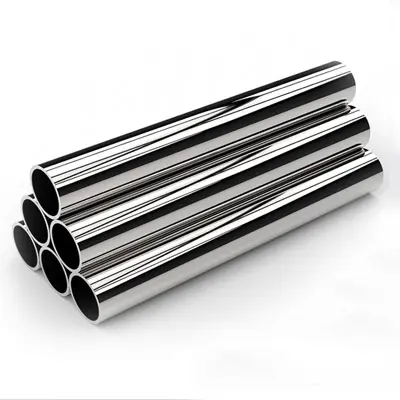
Available product forms cover seamless pipes & tubes, sheets, strips, bars, rods, flanges, fasteners and welding consumables. Non‑standard custom components per customer drawings are available.
FAQ for Hastelloy alloy buyers
Q: What documents should I require when purchasing Hastelloy material?
A: Always request mill‑test certificates (MTC EN 10204 3.1) verifying chemical composition and mechanical‑property test results. Third‑party witness inspection is acceptable for high‑spec industrial projects.
Q: Is Hastelloy C‑276 hard to machine and weld?
A: Hastelloy alloys have good weldability. Machining requires optimized tool parameters and cutting speed due to high‑nickel material characteristics. Our technical team can provide processing guidance for your fabrication work.
Final Takeaways
Hastelloy alloys solve long‑standing pain‑points in chemical‑processing equipment. Investing in qualified Hastelloy material reduces unplanned downtime and extends equipment service life for corrosive‑media working environments.
Call‑to‑Action
Are you looking for reliable Hastelloy pipes, sheets, bars or custom‑machined Hastelloy parts? Reach out to Jiaxin New Materials. We provide full‑batch inspection before shipment, stable lead‑time, complete export documentation and global‑oriented supply service. Send us your RFQ today.
Danyang Jiaxin New Materials Technology Co., Ltd.
Website: https://www.alloysfactory.com
E‑mail: sales@alloysfactory.com
WhatsApp&Phone: +86 18052778977
Thank you very much for writing to us. Please leave your message and contact information, we will reply to you within 24 hours.