While nickel‑based superalloys dominate many high‑temperature‑corrosion‑resistant markets, cobalt‑based superalloys own unique strengths: excellent hot‑corrosion resistance, outstanding wear resistance, high‑temperature‑fatigue performance and good biocompatibility. Grades such as MP35N, Haynes‑25(L‑605), Haynes‑188 serve high‑end demanding sectors including aerospace, medical devices, energy‑power and metallurgical machinery.
What core advantages do cobalt‑based superalloys bring?
Compared with nickel‑base alloys, cobalt‑base superalloys show prominent advantages in three dimensions:
- Superior hot‑corrosion & wear resistance: Outstanding performance under high‑temperature erosion and particle‑abrasion conditions.
- Excellent thermal‑fatigue resistance: Resists thermal‑cycle damage when components repeatedly heat‑up and cool‑down.
- Biocompatibility: Specific cobalt‑alloy grades can be applied for medical‑implant and surgical‑component manufacturing.
Representative cobalt‑based alloy grades
- Haynes‑25 (L‑605): For gas‑turbine combustion‑chamber parts, high‑temperature furnace hardware. Balances high‑temperature strength and oxidation‑resistance.
- Haynes‑188: Excellent hot‑corrosion resistance for gas‑turbine hot‑section components and energy‑generation equipment.
- MP35N: Multi‑phase cobalt‑nickel‑chromium‑molybdenum alloy. Ultra‑high tensile strength plus biocompatibility for medical implants, surgical hardware and high‑strength fasteners.
- Waspaloy: High‑strength superalloy for aerospace turbine‑disk and high‑load engine‑components.
Key industrial application fields
- Aerospace: Gas‑turbine combustion‑chamber parts, turbine‑nozzle components, high‑strength fasteners
- Medical equipment: Biocompatible implant components, surgical‑instrument parts, precision elastic components
- Energy & power: Gas‑turbine hot‑zone hardware, heat‑resistant fasteners
- Metallurgical machinery: Furnace fixtures subjected to high‑temperature erosion and thermal cycling
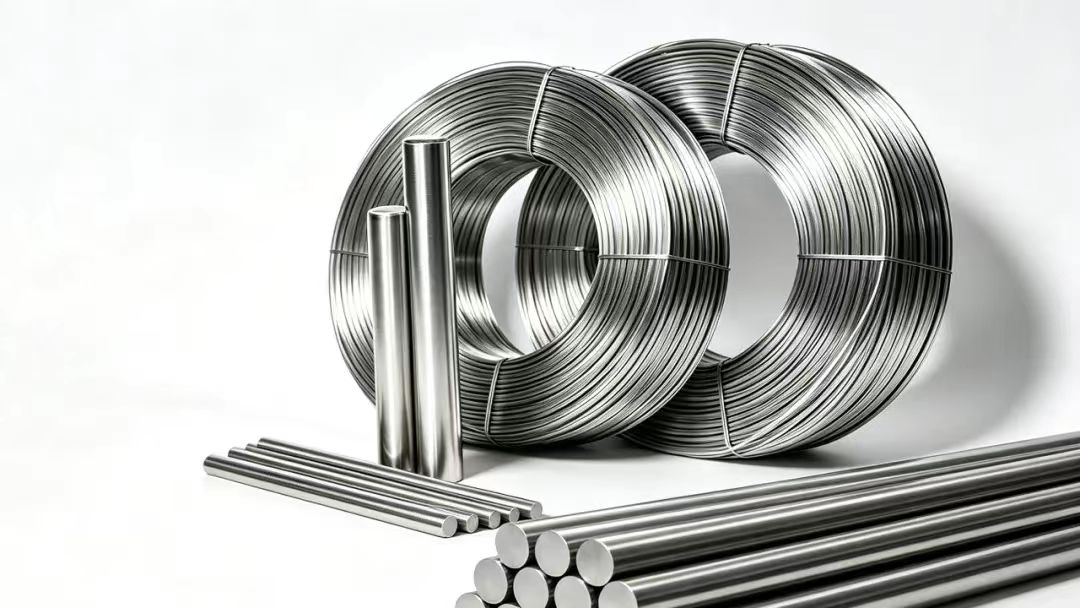
We supply cobalt‑based alloys in sheets, strips, bars, rods, pipes, tubes, wires, forgings and custom‑machined finished‑parts, and also provide matching welding consumables upon request.
FAQ for cobalt‑based‑alloy purchasers
Q: When should I choose cobalt‑based alloy instead of nickel‑based superalloy?
A: Choose cobalt‑base alloys when your parts face heavy thermal‑fatigue, high‑temperature wear‑erosion, or require medical‑grade biocompatibility. Nickel‑based alloys are more cost‑effective for general high‑temperature or pure‑corrosion‑resistance‑oriented projects.
Q: Can you produce custom cobalt‑alloy components according to customer drawings?
A: Yes. Our production line supports custom processing according to drawings and technical‑specifications, covering both standard stock items and complex non‑standard parts.
Final Takeaways
Cobalt‑based superalloys fill unique performance gaps that nickel‑based alloys cannot cover, especially for thermal‑fatigue, wear‑erosion and medical‑biocompatible scenarios. Selecting proper cobalt‑alloy grades can greatly improve component service life for harsh‑condition equipment.
Call‑to‑Action
If you source cobalt‑based superalloy materials or custom‑fabricated cobalt‑alloy parts, get in touch with our engineering team. We support material‑selection consultation, RFQ quotation, batch‑quality‑inspection and complete export‑service for worldwide buyers.
Danyang Jiaxin New Materials Technology Co., Ltd.
Website: https://www.alloysfactory.com
E‑mail: sales@alloysfactory.com
WhatsApp&Phone: +86 18052778977
Thank you very much for writing to us. Please leave your message and contact information, we will reply to you within 24 hours.