
MESSAGE
If you have any questions, please contact us and we will contact you as soon as possible.
‹
›
‹
›
◉ PRODUCT SPECIFICATION
Nimonic Alloy 90 (UNS N07090 / W. Nr. 2.4632) is a precipitation-hardened nickel-chromium-cobalt superalloy engineered for sustained high-temperature strength and low creep at service temperatures up to roughly 900–920 °C (≈1650–1688 °F); for engineering uses that require exceptional stress-rupture resistance (turbine discs, blades, high-temperature springs, hot-work tooling), Nimonic 90 remains one of the best choices when a balance of creep strength, oxidation resistance, and fabricability is required.
What is Nimonic Alloy 90?
Nimonic Alloy 90 is a wrought nickel-chromium-cobalt alloy strengthened through controlled additions of titanium and aluminum that form fine precipitates during ageing. The precipitates impart very high tensile and creep-rupture strength at elevated temperature. The alloy was developed for gas-turbine and other severe thermal-mechanical environments where long-term dimensional stability and oxidation resistance are required. Key producers and technical bulletins list it as an age-hardenable, creep-resistant material with a long field history in aerospace and power generation.
Official designations and standards
Common specifications and identifiers found in industry data:
UNS: N07090.
W. Nr.: 2.4632.
Relevant specs / standards: AMS 5829 (wire / bar listings referenced), various BS/DIN designations, and supplier datasheets that reference ASTM forms for product shapes. Always check the product certificate for the exact spec required by your project.
Typical use temperature window: high strength up to ≈700 °C in many load cases and creep resistance approaching 900–920 °C in optimized heat-treated components.
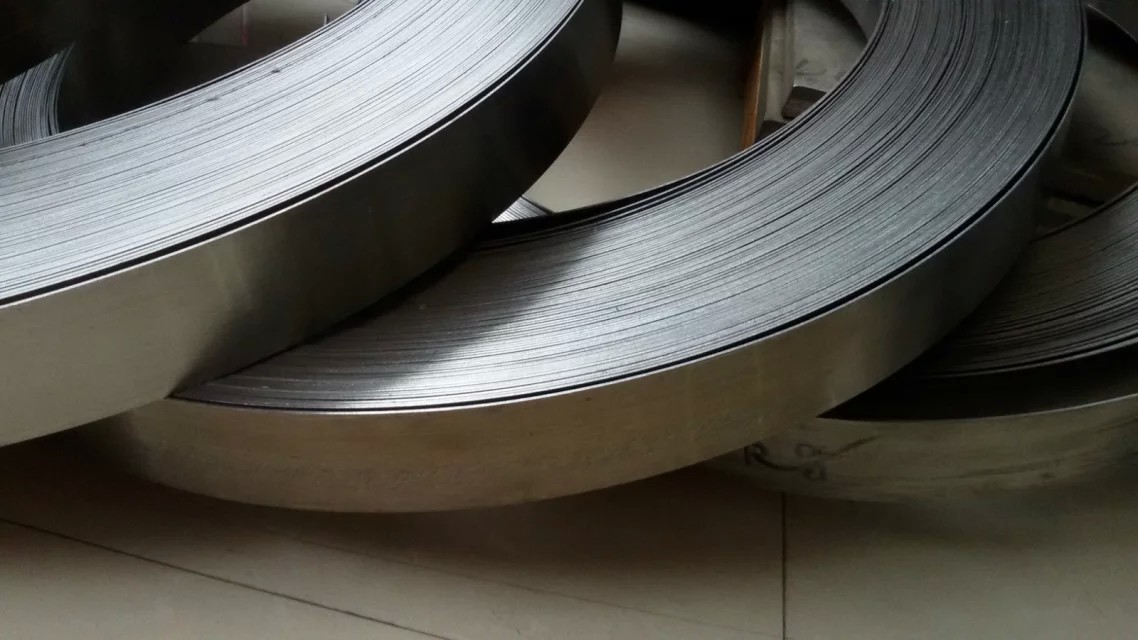
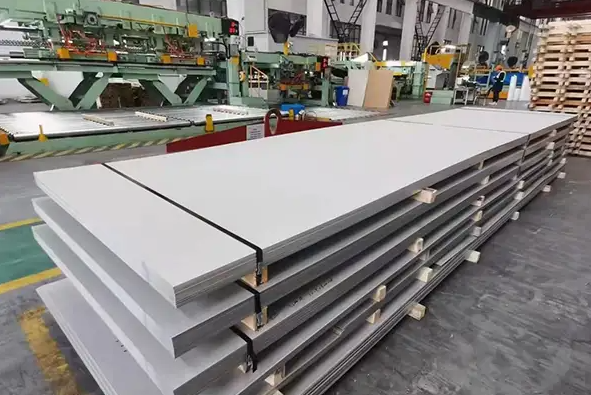
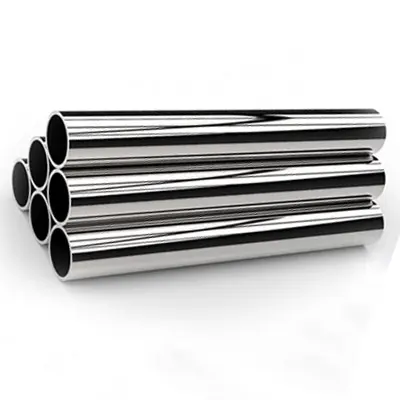
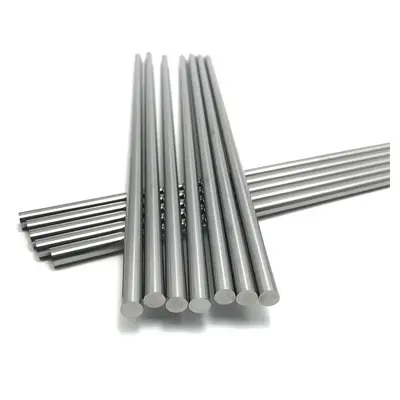
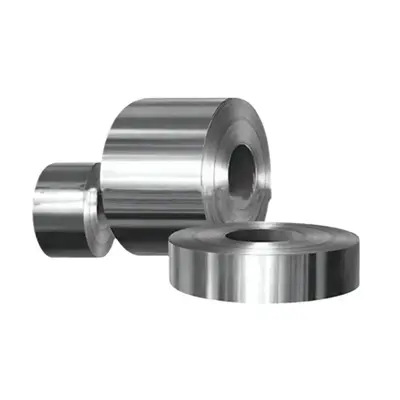
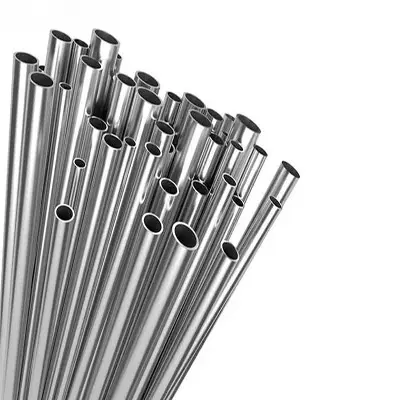
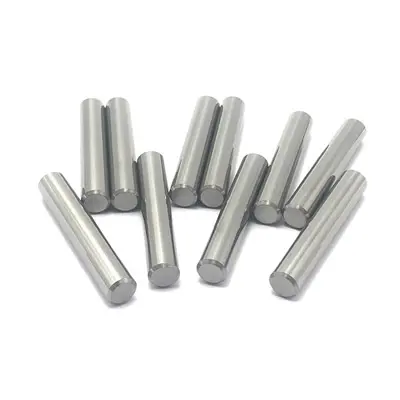
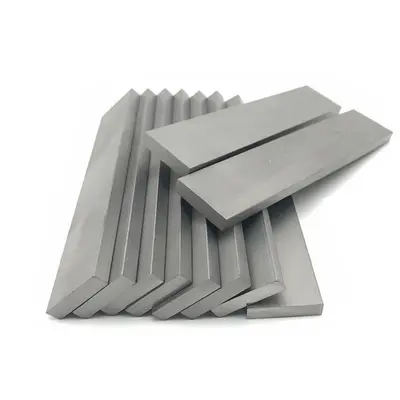
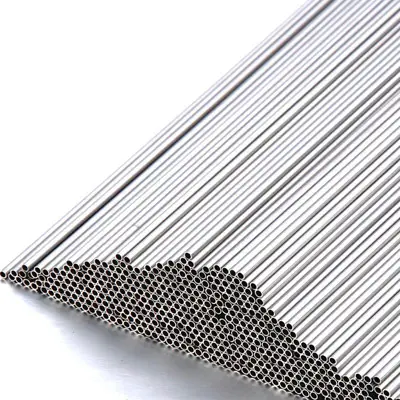
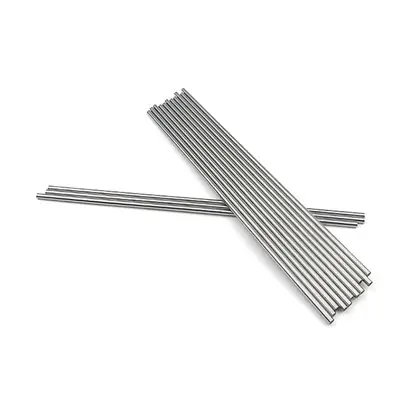
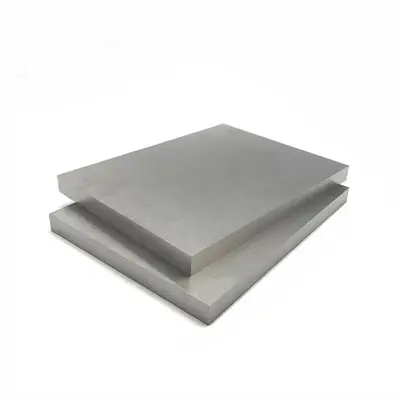
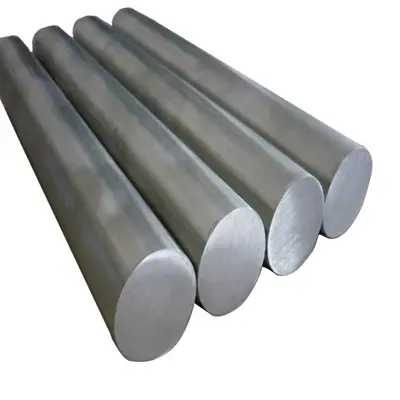
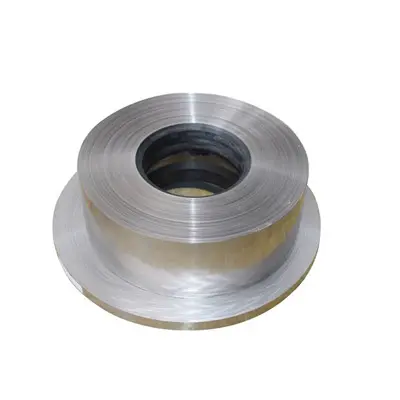
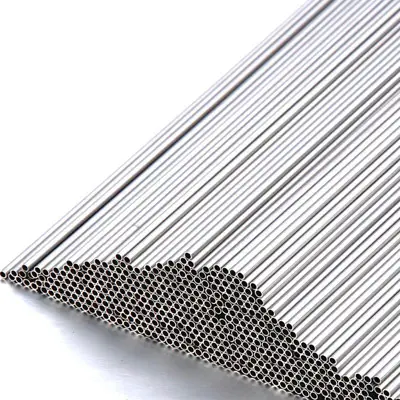
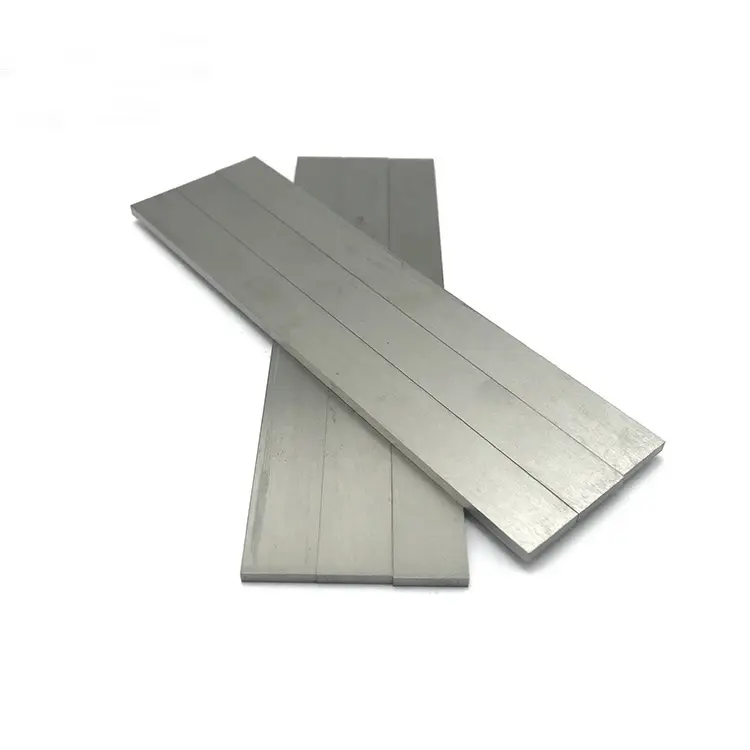
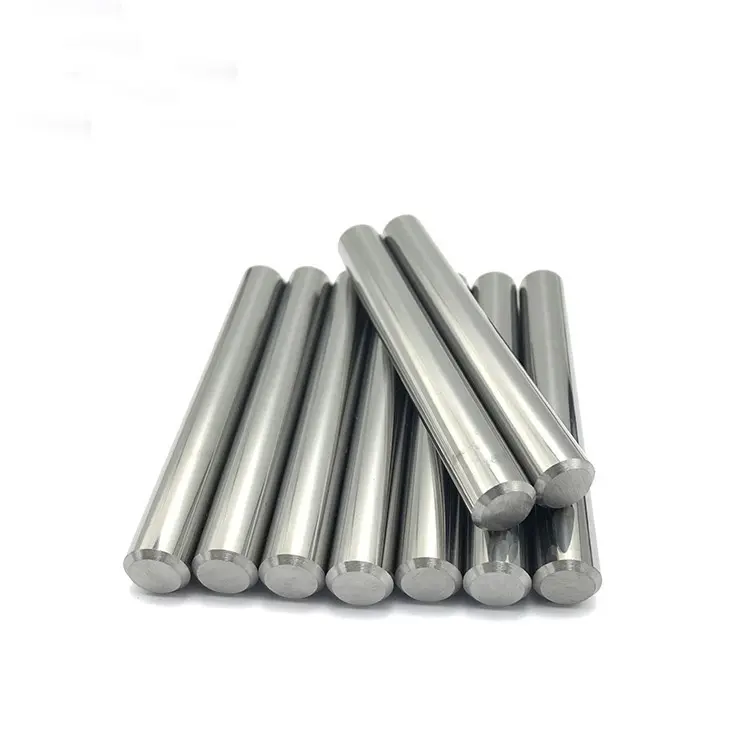
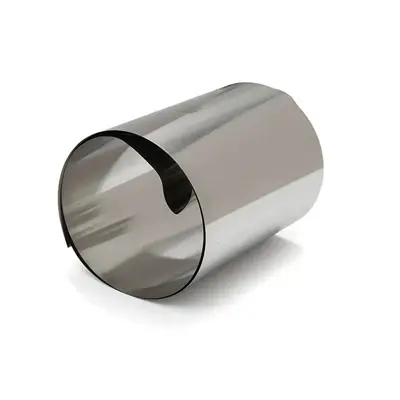
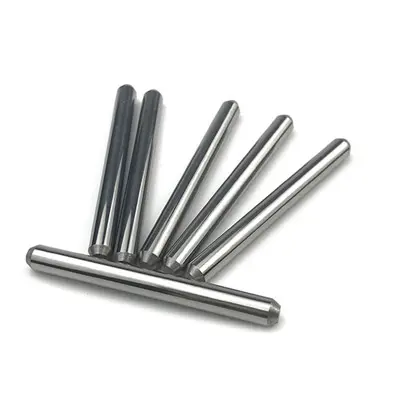
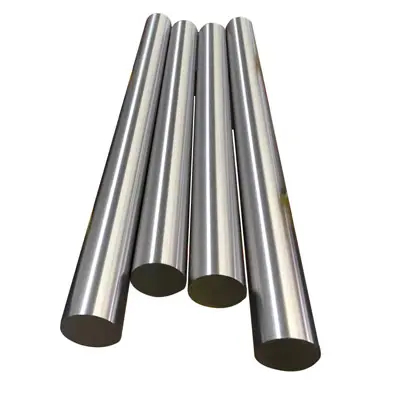
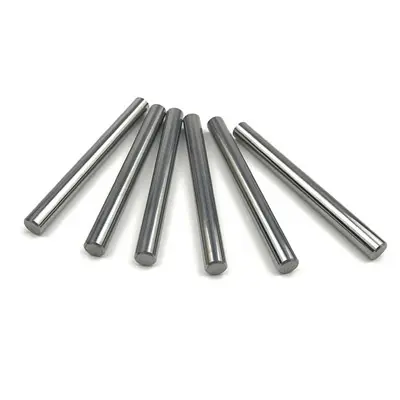
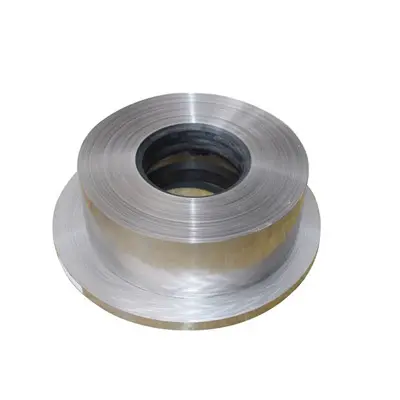
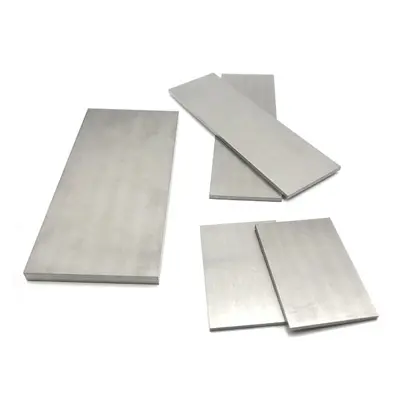
Common forms: bar, wire, plate, forgings, discs, strip, spring wire.
Chemical composition
(These ranges are typical; order-specific mill certificates list precise values for each heat/lot.)
Material and mechanical properties
Notes: mechanical values differ by product form (wire, bar, plate), fabrication route (forged vs extruded), and precise ageing schedule. Use the manufacturer’s material certificate for design calculations.
Physical performance at temperature
Nimonic 90 retains high stress-rupture strength and shows excellent oxidation resistance into the 700–900 °C band; thermal conductivity and expansion data are documented in supplier technical bulletins for design of assemblies that need tight thermal tolerances. Thermal and mechanical tables from primary producers provide the engineering curves to size components for creep life.
Heat treatment
The alloy is age-hardenable. Typical industrial sequence (generalized — always verify with supplier documentation and part drawings):
Solution anneal: heat to solution temperature (supplier datasheet gives exact °C/time), followed by rapid cooling to retain solute in solid solution.
Ageing / precipitation stages: controlled ageing at intermediate temperatures (often in two steps) to precipitate intermetallic compounds (γ′ type) that strengthen the alloy. The exact temperatures/time depend on product and desired balance of strength/ductility. Specialist bulletins and AMS specs provide the precise cycles used for turbine components.
Important: incorrect ageing or over-ageing reduces creep life. Heat treatment should be done in accredited heat-treatment shops with traceable records for aerospace or power-generation parts.
Fabrication, welding and inspection
Machining: tougher than common stainless steels — machine with sharp tooling and rigid set-ups; insert grades recommended for nickel alloys. Supplier guides give feeds/speeds.
Welding / filler metal: welding is possible using compatible filler alloys; for critical components, follow supplier filler recommendations and qualified procedures. Post-weld heat treatment and ageing are frequently required.
NDT & inspection: standard NDT (UT, MPI, LPI) applies; for aerospace parts, follow applicable acceptance standards and traceability (material heat number, chemical analysis certificate).
Typical applications
Nimonic 90’s high temperature mechanical stability places it in:
Gas-turbine components (blades, discs, ring sections).
Hot-work tooling and fixtures that experience thermal fatigue.
High-temperature coil/wire and springs for thermal assemblies.
Engine and exhaust components where creep strength plus oxidation resistance is required.
Is Nimonic 90 magnetic?
In normal annealed condition, Nimonic 90 is generally non-magnetic due to its high nickel content and face-centred cubic matrix. However, cold work or certain heat-treatment sequences can produce weak magnetic response. For applications where magnetic permeability is critical, verify the finished condition with the supplier and, if necessary, specify maximum permeability or require magnetic screening during incoming inspection.
Equivalents and substitution guidance
Closest formal equivalents: AMS 5829 is commonly cited for wire/bar forms; DIN/W.Nr and other trade names may appear (2.4632, 2.4969 appear in some listings).
When to substitute: In some designs, Inconel 718 or X-750 are considered — but substitution needs careful evaluation of creep life, corrosion environment, and weldability. Nimonic 90 often outperforms many Inconel grades for long-term creep at very high temperatures due to higher cobalt and tailored Al/Ti precipitation. See the direct comparison below.
Nimonic 90 vs Inconel 718 (engineering comparison)
Engineering note: substitution requires evaluation of creep-rupture curves, oxidation environment, and qualification of welded joints. Many OEM specifications list a single allowed alloy; follow those lists when tendering parts for aerospace or power generation.
Common sizes, forms and a quick size→weight reference
(Use exact density 8.18 g/cm³ and geometry to compute precise mass for production parts.)
Global indicative price comparison (2025)
Important: superalloy prices depend strongly on form (wire, bar, plate), lot size, certification (aerospace QA adds premium), cobalt & nickel markets, and logistical terms (FOB, CIF, EXW). The table below gives indicative FOB/factory ranges for 2025 to support budgeting; obtain quotes for firm pricing and lead times.
Notes:
Some online listings (marketplaces) show lower per-kg numbers for bulk or low-spec forms, while specialty aerospace-certified bars/forgings can be substantially more expensive.
Cobalt and nickel surcharges will influence month-to-month pricing; always request a current alloy surcharge and lead time.
Procurement tips & why MWAlloys for Nimonic 90
If you need a reliable China-based supplier for Nimonic 90 with traceable quality and competitive factory pricing, MWAlloys provides:
100% factory pricing on standard stock — we work directly with mills to reduce the reseller markup.
Fast stock shipment for common bar/plate sizes (subject to current stock confirmation).
Material certification: mill certificates (chemical & mechanical), non-destructive testing records on request, and packing for export.
Small to medium MOQs tailored to prototypes and tooling runs; bigger lots are available for OEM contracts.
Technical support from metallurgists experienced in ageing cycles and fabrication suggestions.
Procurement checklist (practical):
Specify exact UNS/W. Nr. and required certification (AMS/ASTM/DIN).
State required product form, dimensions, and tolerance class.
Ask for a heat number traceable chemical analysis and tensile test report.
Confirm heat-treatment state on delivery (annealed, solution + aged, or “as-rolled”).
Request lead time & alloy surcharge for final purchase order.
FAQs
1) What operating temperature is safe for Nimonic 90?
Safe use depends on load and time. For structural parts under steady load, the alloy is commonly qualified up to ≈700 °C for high strength; for creep-resistant applications optimized ageing/processing can be used up to ≈900–920 °C for limited life calculations. Always use supplier creep data for life prediction.
2) Which standards cover Nimonic 90?
Common references include UNS N07090, W. Nr. 2.4632, and product specs such as AMS 5829 for certain forms; check supplier datasheets for shape-specific standards.
3) Can Nimonic 90 be welded?
Yes, with compatible filler metals and qualified procedures. Post-weld ageing and, in critical cases, post-weld solution treatment may be necessary.
4) Is Nimonic 90 corrosion resistant?
It has good oxidation resistance at elevated temperature; corrosion performance in aggressive chemical environments must be assessed case by case.
5) How does its cost compare to Inconel 718?
Costs vary; in some markets Nimonic 90 may be competitive vs 718 for bulk non-aerospace stock, but certified aerospace 718 or specialized Inconels may be priced differently due to demand and process complexity. Compare firm quotes for forms and certifications.
6) Is Nimonic 90 magnetic?
Generally non-magnetic in annealed state; cold working or particular heat treatments can introduce weak magnetic response. Specify magnetic limits if critical.
7) What are common supply forms?
Round bars, plates, wire, strip, forgings, and springs.
8) Does Nimonic 90 need special fastener treatment?
If bolts/fasteners operate at high temperature under load, use material matched for creep and consider pre-loads that account for relaxation. Refer to OEM fastener standards when used in critical assemblies.
9) How to validate a supplier lot?
Request mill test certificates, chemical analysis, tensile test, heat-treatment records, and NDT reports if applicable. For aerospace or power generation, expect tighter traceability.
10) Can Nimonic 90 be cold formed?
Some cold forming is possible, but heavy deformation may require intermediate anneals and will affect final ageing behaviour; consult metallurgist for forming schedules.
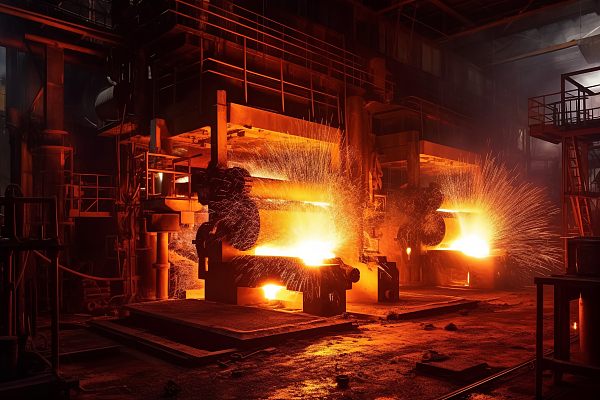
◉ Factory Show
◉ MESSAGE
◉ SIMILAR RECOMMENDED
/ Supermendur /1J22/ Permendur/49КФ/AFK502/Co50V2") Hiperco 50 (1J22)/ Supermendur /1J22/ Permendur/49КФ/AFK502/Co50V2
Hiperco 50 (1J22)/ Supermendur /1J22/ Permendur/49КФ/AFK502/Co50V2/ Supermendur /1J22/ Permendur/49КФ/AFK502/Co50V2-1 Tube Pipe") Hiperco 50 Tube Pipe (1J22)/ Supermendur /1J22/ Permendur/49КФ/AFK502/Co50V2-1 Tube Pipe
Hiperco 50 Tube Pipe (1J22)/ Supermendur /1J22/ Permendur/49КФ/AFK502/Co50V2-1 Tube Pipe/ Supermendur /1J22/ Permendur/49КФ/AFK502/Co50V2-1 Bar Rod") Hiperco 50 Bar Rod (1J22)/ Supermendur /1J22/ Permendur/49КФ/AFK502/Co50V2-1 Bar Rod
Hiperco 50 Bar Rod (1J22)/ Supermendur /1J22/ Permendur/49КФ/AFK502/Co50V2-1 Bar Rod/Russia 50H/1J50 Strip Ring") NiFe Alloy 50 Strip Ring (1J50)/Russia 50H/1J50 Strip Ring
NiFe Alloy 50 Strip Ring (1J50)/Russia 50H/1J50 Strip Ring/Russia 50H/1J50 Tube Pipe") NiFe Alloy 50 Tube Pipe (1J50)/Russia 50H/1J50 Tube Pipe
NiFe Alloy 50 Tube Pipe (1J50)/Russia 50H/1J50 Tube Pipe/Russia 50H/1J50 Bar Rod") NiFe Alloy 50 Bar Rod (1J50)/Russia 50H/1J50 Bar Rod
NiFe Alloy 50 Bar Rod (1J50)/Russia 50H/1J50 Bar Rod/Russia 50H/1J50 Sheet Plate") NiFe Alloy 50 Sheet Plate (1J50)/Russia 50H/1J50 Sheet Plate
NiFe Alloy 50 Sheet Plate (1J50)/Russia 50H/1J50 Sheet Plate Su Permalloy 1J85 /UNS N14080,GB/T 32286.1-2015 Bar Tube Pipe Wire
 Su Permalloy 1J85 Tube Pipe /UNS N14080,GB/T 32286.1-2015 Tube Pipe
 Su Permalloy 1J85 Sheet Pipe /UNS N14080,GB/T 32286.1-2015 Sheet Pipe
 Su Permalloy 1J85 Bar Rod /UNS N14080 GB/T 32286.1-2015 Bar Rod
 Wire Strip /UNS N14080,GB/T 32286.1-2015 Wire Strip") Permalloy Alloy 80(1J79) Wire Strip /UNS N14080,GB/T 32286.1-2015 Wire Strip
Permalloy Alloy 80(1J79) Wire Strip /UNS N14080,GB/T 32286.1-2015 Wire Strip Tube Pipe /UNS N14080,GB/T 32286.1-2015 Tube Pipe") Permalloy Alloy 80(1J79) Tube Pipe /UNS N14080,GB/T 32286.1-2015 Tube Pipe
Permalloy Alloy 80(1J79) Tube Pipe /UNS N14080,GB/T 32286.1-2015 Tube Pipe Sheet Plate /UNS N14080,GB/T 32286.1-2015 Sheet Plate") Permalloy Alloy 80(1J79) Sheet Plate /UNS N14080,GB/T 32286.1-2015 Sheet Plate
Permalloy Alloy 80(1J79) Sheet Plate /UNS N14080,GB/T 32286.1-2015 Sheet Plate Bar Rod /UNS N14080,GB/T 32286.1-2015 Bar Rod") Permalloy Alloy 80(1J79) Bar Rod /UNS N14080,GB/T 32286.1-2015 Bar Rod
Permalloy Alloy 80(1J79) Bar Rod /UNS N14080,GB/T 32286.1-2015 Bar Rod 4J42 Ring Strip UNS K94100 /W. Nr.1.3917 ASTM F30 precision iron-nickel alloy Ring Strip
 4J42 Tube Pipe UNS K94100 /W. Nr.1.3917 ASTM F30 precision iron-nickel alloy Tube Pipe
 4J42 Bar Rod UNS K94100 /W. Nr.1.3917 ASTM F30 precision iron-nickel alloy Bar Rod
 4J42 UNS K94100 /W. Nr.1.3917 ASTM F30 precision iron-nickel alloy
 Super Invar 32-5/4J32/K93500/Super Invar Tube Bar Rod Sheet
 Super Invar 32-5 Sheet Plate 4J32/K93500/Super Invar Sheet Plate
Thank you very much for writing to us. Please leave your message and contact information, we will reply to you within 24 hours.