
MESSAGE
If you have any questions, please contact us and we will contact you as soon as possible.
‹
›
‹
›
◉ PRODUCT SPECIFICATION
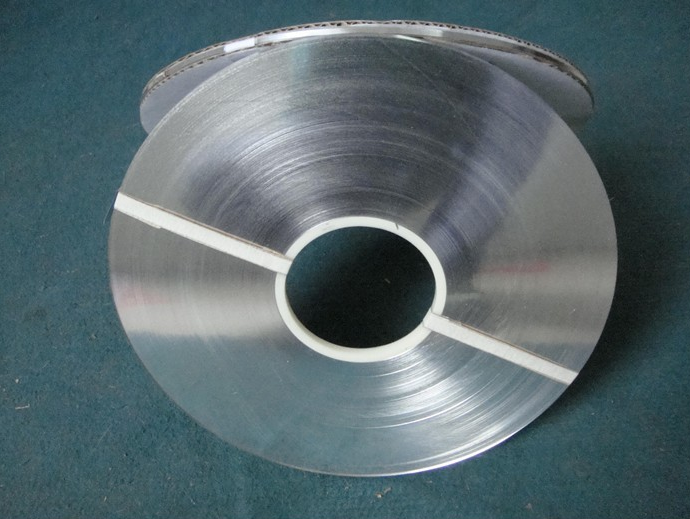
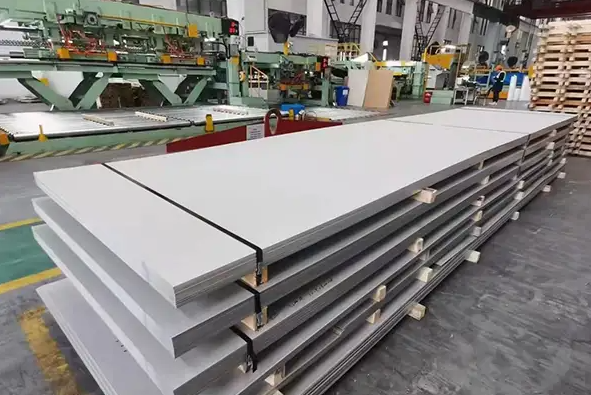
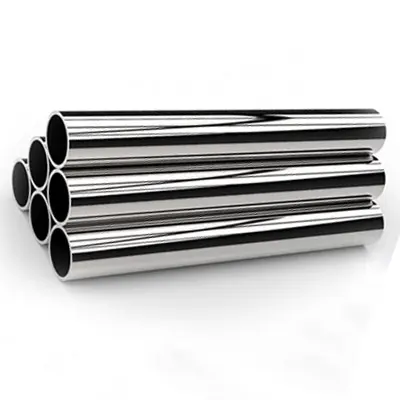
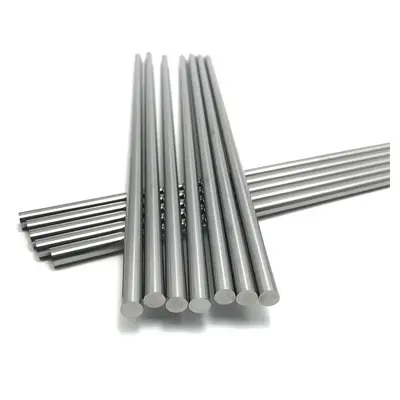
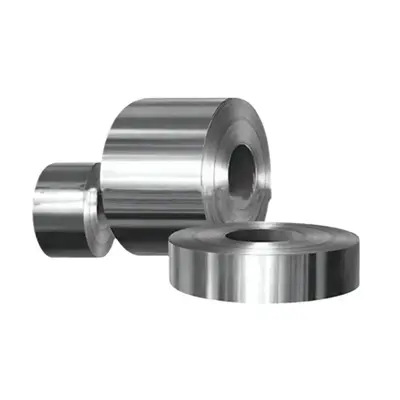
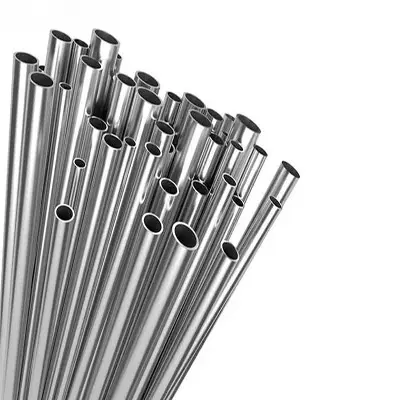
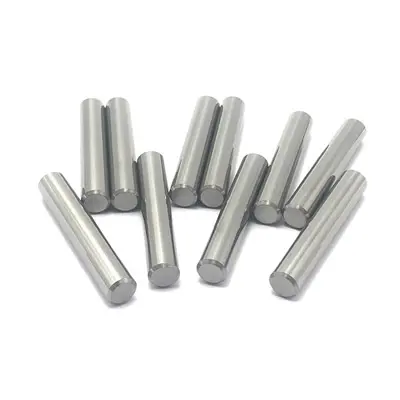
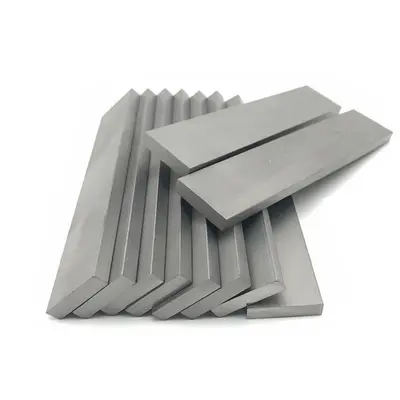
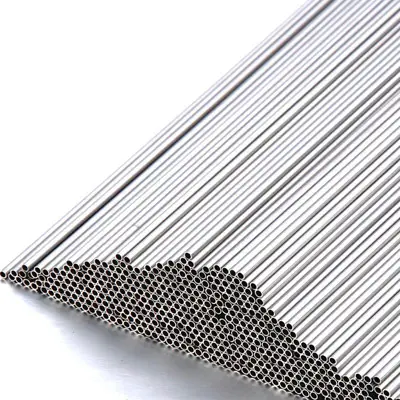
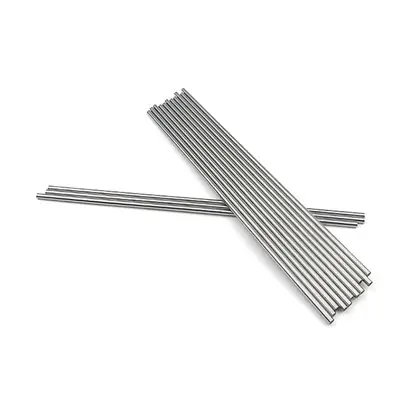
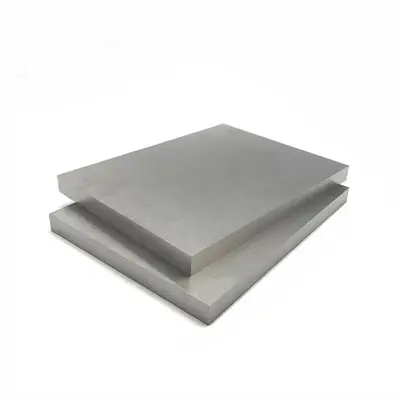
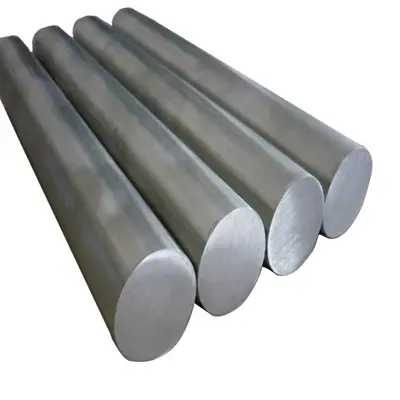
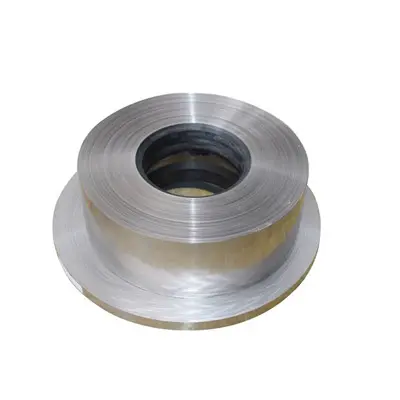
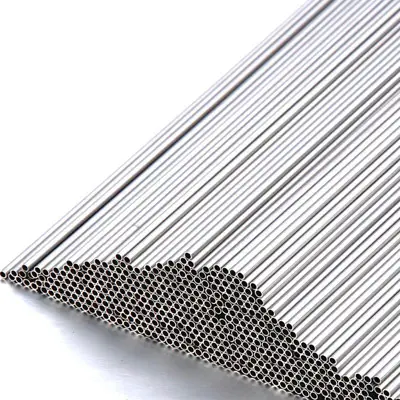
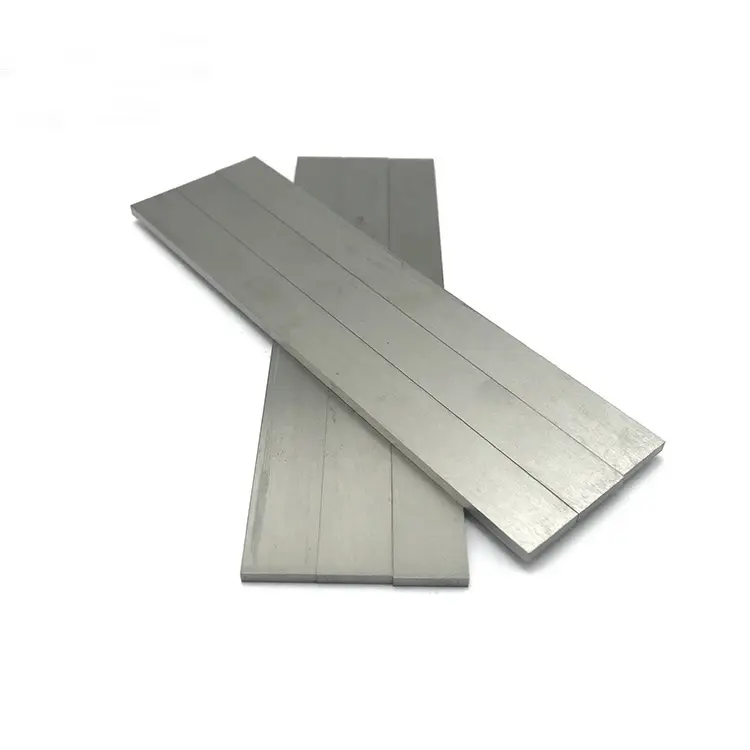
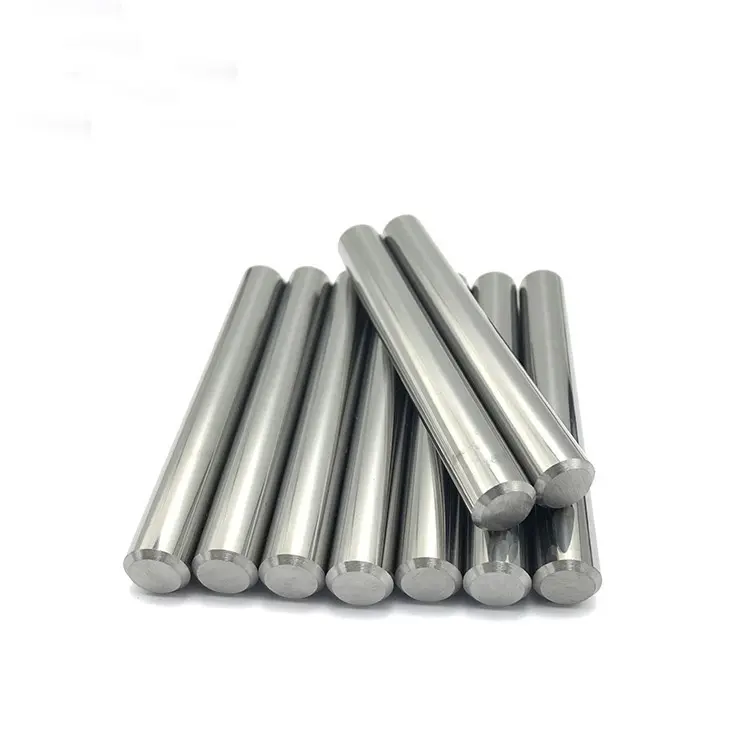
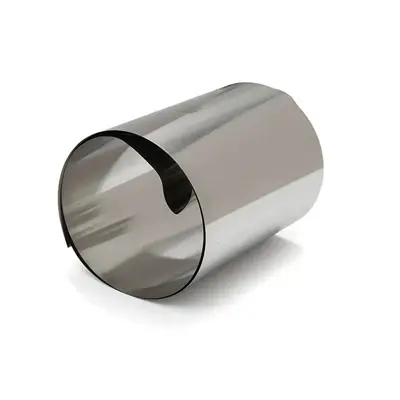
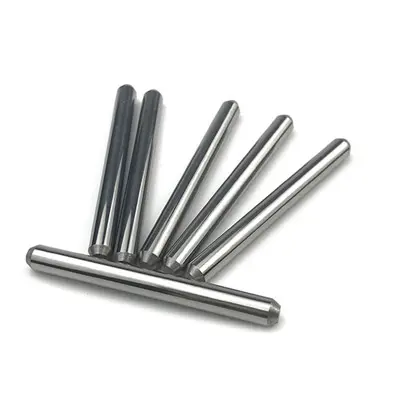
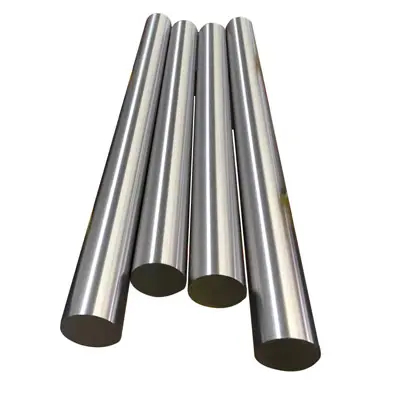
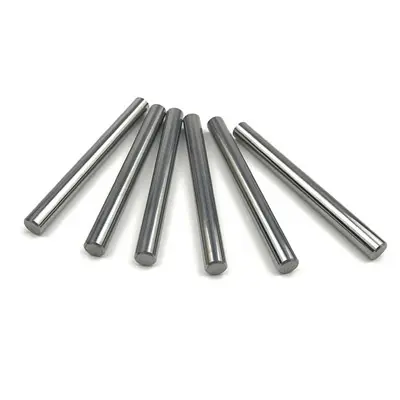
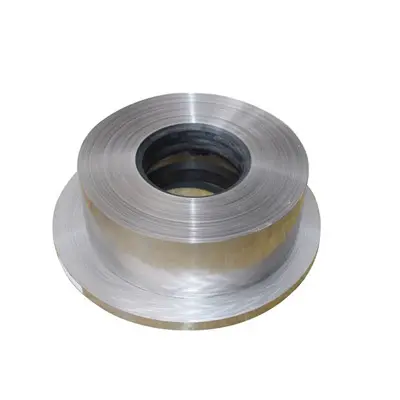
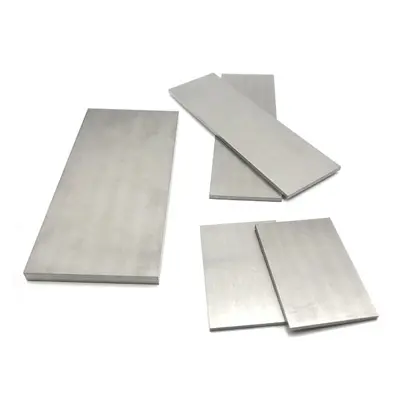
Monel® Alloy 400 is a nickel–copper alloy celebrated for its high strength, toughness, and outstanding corrosion resistance—even in extreme environments like seawater and acids. At MWalloys, we offer custom Monel 400 in forms like plate, bar, rod, coil, pipe, and wire—tailored to marine, chemical, aerospace, and heat-exchanger applications.
What is Monel 400?
Monel 400 (UNS N04400) is a solid-solution nickel–copper alloy comprising ~63–70 % nickel and 28–34 % copper, with traces of iron, manganese, carbon, and silicon. Its single-phase FCC structure delivers uniform properties and enhances resistance to corrosion, especially in reducing environments.
Specifications & Parameters
Notes on Variability & Critical Details
Mechanical Property Ranges:
Minimum tensile/yield strengths vary significantly by standard (e.g., ASTM vs. AMS) and product form (bar vs. sheet). Aerospace grades require higher strength.
Cold working increases strength but reduces ductility.
Corrosion Performance:
Avoid strong oxidizers (e.g., nitric acid, hypochlorite), which can cause pitting.
Thermal Stability: Prolonged exposure above 600°C may cause embrittlement; limit to 550°C for critical applications.
Fabrication:
Welding: Use ERNiCu-7 filler metal; post-weld annealing recommended for corrosive service1.
Machining: High work-hardening rate requires low speeds/carbide tools.
Standards Compliance:
Nuclear/aerospace applications require certified grades (e.g., AMS 4553 for aerospace).
global price comparison
? Key Pricing Insights:
China: Monel 400 plate ranges from $22.8 to $46.9/kg, wire from $15–35/kg. MOQ varies.
Europe: Plate and coil prices are reported at €3.02–4.07/kg (about $3.90–4.60/kg).
USA: Plate is roughly $10–30/kg F.O.B, bars about $28–45/kg.
India: Plate & bar are around ₹2,000/kg (~$24/kg), coil closer to ₹2,600/kg (~$31/kg).
? Observations:
China offers the most competitive pricing across all forms.
Europe and USA prices are higher, especially for value-added and certified orders.
India prices sit mid-range, with plate and bar similar to Chinese rates, coil and wire slightly higher due to processing costs.
Applications
Monel 400 is used across industries:
Marine: pump shafts, valves, propellers, seawater pipelines.
Chemical / Petrochemical: acid processing components, heat exchangers.
Aerospace: fuel system parts, fasteners, instrumentation.
Oil & Gas: alkylation units with HF acid.
Cryogenic: retains toughness at –423 °F (–253 °C), no ductile–brittle transition.
Why Choose Monel 400?
Corrosion resistance: Excellent in rapidly flowing seawater and reducing acids; resistant to SCC.
Mechanical robustness: Strength comparable to structural steel, and remains tough at extreme sub-zero temperatures.
Fabricability: Cold- and hot-workable; weldable with standard Ni–Cu fillers without post-weld treatment.
Versatility: Operates across –253 °C to ~480 °C without loss of properties.
Manufacturing & Fabrication
Cold working: Enhances strength; anneal at ~926 °C (~1,700 °F) to recover ductility.
Hot working: Recommended between 1,200–2,150 °F (650–1,180 °C).
Welding: GTAW, GMAW, SMAW suited; cleaning critical post-weld.
Machining: Work-hardens quickly—use slow speeds, heavy feed, rigid tooling.
Comparison with Similar Alloys
Welding Guidelines
Use Ni–Cu filler such as Monel® K‑500, clean weld areas to prevent embrittlement, and avoid post-weld heat treat. This ensures corrosion resistance and mechanical integrity.
FAQs
1. What environments is Monel 400 best suited for?
Monel 400 shows outstanding resistance to corrosion in seawater, steam, acids, and alkaline solutions, along with excellent resistance to sulfuric and hydrofluoric acids under reducing conditions. It's also ideal for heat exchangers, marine piping, and acid alkylation plants where aggressive fluids are common.
2. Can Monel 400 be welded easily?
Yes. Monel 400 is readily welded using standard techniques like GTAW, GMAW, and SMAW, employing Monel 60, ERNiCu‑7, or Monel 400 electrodes. Best practices: maintain very clean joints, use inert shielding, and manage heat input to prevent cracking.
3. How does Monel 400 perform at low and high temperatures?
Monel 400 remains tough down to cryogenic temperatures (no ductile‑to‑brittle transition) and retains strength up to ~538 °C (1,000 °F). This versatility makes it suitable for both subzero and heat‑intensive applications.
4. Is machining Monel 400 difficult?
Yes—Monel 400 work-hardens rapidly, which makes machining challenging. Use slow speeds, low feed rates, rigid tooling, and sufficient cooling to manage heat and prevent tool wear.
5. How does Monel 400 compare with Monel K‑500?
Monel K‑500 includes aluminum and titanium for increased strength via precipitation hardening, while retaining corrosion resistance similar to Monel 400. Choose K‑500 for applications requiring higher strength; otherwise, 400 offers nearly identical corrosion performance at lower cost.
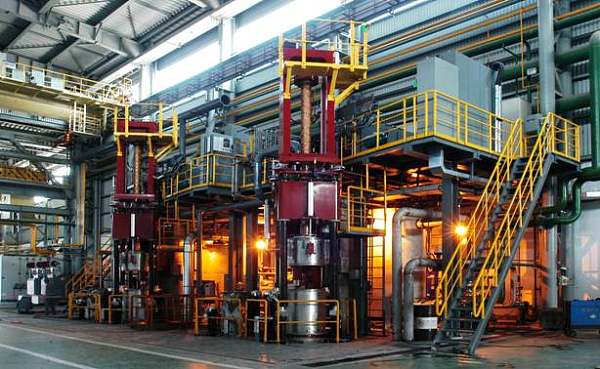
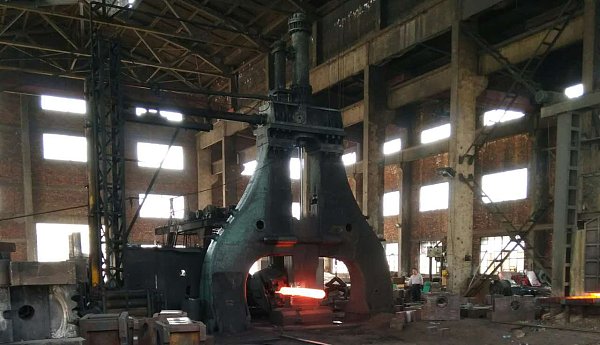
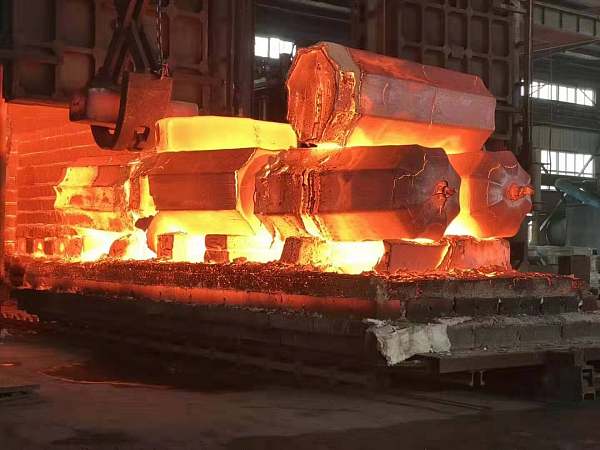
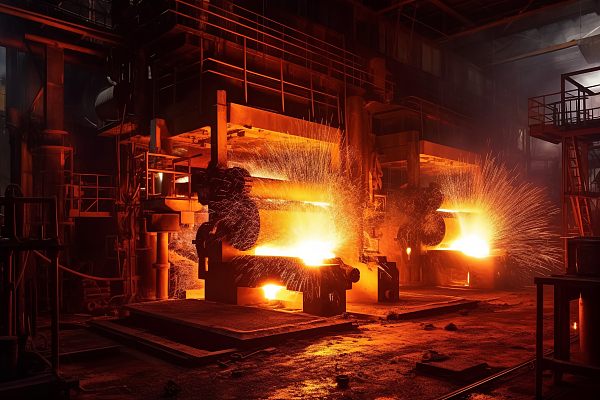
◉ Factory Show
◉ MESSAGE
◉ SIMILAR RECOMMENDED
/ Supermendur /1J22/ Permendur/49КФ/AFK502/Co50V2") Hiperco 50 (1J22)/ Supermendur /1J22/ Permendur/49КФ/AFK502/Co50V2
Hiperco 50 (1J22)/ Supermendur /1J22/ Permendur/49КФ/AFK502/Co50V2/ Supermendur /1J22/ Permendur/49КФ/AFK502/Co50V2-1 Tube Pipe") Hiperco 50 Tube Pipe (1J22)/ Supermendur /1J22/ Permendur/49КФ/AFK502/Co50V2-1 Tube Pipe
Hiperco 50 Tube Pipe (1J22)/ Supermendur /1J22/ Permendur/49КФ/AFK502/Co50V2-1 Tube Pipe/ Supermendur /1J22/ Permendur/49КФ/AFK502/Co50V2-1 Bar Rod") Hiperco 50 Bar Rod (1J22)/ Supermendur /1J22/ Permendur/49КФ/AFK502/Co50V2-1 Bar Rod
Hiperco 50 Bar Rod (1J22)/ Supermendur /1J22/ Permendur/49КФ/AFK502/Co50V2-1 Bar Rod/Russia 50H/1J50 Strip Ring") NiFe Alloy 50 Strip Ring (1J50)/Russia 50H/1J50 Strip Ring
NiFe Alloy 50 Strip Ring (1J50)/Russia 50H/1J50 Strip Ring/Russia 50H/1J50 Tube Pipe") NiFe Alloy 50 Tube Pipe (1J50)/Russia 50H/1J50 Tube Pipe
NiFe Alloy 50 Tube Pipe (1J50)/Russia 50H/1J50 Tube Pipe/Russia 50H/1J50 Bar Rod") NiFe Alloy 50 Bar Rod (1J50)/Russia 50H/1J50 Bar Rod
NiFe Alloy 50 Bar Rod (1J50)/Russia 50H/1J50 Bar Rod/Russia 50H/1J50 Sheet Plate") NiFe Alloy 50 Sheet Plate (1J50)/Russia 50H/1J50 Sheet Plate
NiFe Alloy 50 Sheet Plate (1J50)/Russia 50H/1J50 Sheet Plate Su Permalloy 1J85 /UNS N14080,GB/T 32286.1-2015 Bar Tube Pipe Wire
 Su Permalloy 1J85 Tube Pipe /UNS N14080,GB/T 32286.1-2015 Tube Pipe
 Su Permalloy 1J85 Sheet Pipe /UNS N14080,GB/T 32286.1-2015 Sheet Pipe
 Su Permalloy 1J85 Bar Rod /UNS N14080 GB/T 32286.1-2015 Bar Rod
 Wire Strip /UNS N14080,GB/T 32286.1-2015 Wire Strip") Permalloy Alloy 80(1J79) Wire Strip /UNS N14080,GB/T 32286.1-2015 Wire Strip
Permalloy Alloy 80(1J79) Wire Strip /UNS N14080,GB/T 32286.1-2015 Wire Strip Tube Pipe /UNS N14080,GB/T 32286.1-2015 Tube Pipe") Permalloy Alloy 80(1J79) Tube Pipe /UNS N14080,GB/T 32286.1-2015 Tube Pipe
Permalloy Alloy 80(1J79) Tube Pipe /UNS N14080,GB/T 32286.1-2015 Tube Pipe Sheet Plate /UNS N14080,GB/T 32286.1-2015 Sheet Plate") Permalloy Alloy 80(1J79) Sheet Plate /UNS N14080,GB/T 32286.1-2015 Sheet Plate
Permalloy Alloy 80(1J79) Sheet Plate /UNS N14080,GB/T 32286.1-2015 Sheet Plate Bar Rod /UNS N14080,GB/T 32286.1-2015 Bar Rod") Permalloy Alloy 80(1J79) Bar Rod /UNS N14080,GB/T 32286.1-2015 Bar Rod
Permalloy Alloy 80(1J79) Bar Rod /UNS N14080,GB/T 32286.1-2015 Bar Rod 4J42 Ring Strip UNS K94100 /W. Nr.1.3917 ASTM F30 precision iron-nickel alloy Ring Strip
 4J42 Tube Pipe UNS K94100 /W. Nr.1.3917 ASTM F30 precision iron-nickel alloy Tube Pipe
 4J42 Bar Rod UNS K94100 /W. Nr.1.3917 ASTM F30 precision iron-nickel alloy Bar Rod
 4J42 UNS K94100 /W. Nr.1.3917 ASTM F30 precision iron-nickel alloy
 Super Invar 32-5/4J32/K93500/Super Invar Tube Bar Rod Sheet
 Super Invar 32-5 Sheet Plate 4J32/K93500/Super Invar Sheet Plate
Thank you very much for writing to us. Please leave your message and contact information, we will reply to you within 24 hours.