MESSAGE
If you have any questions, please contact us and we will contact you as soon as possible.
‹
›
‹
›
◉ PRODUCT SPECIFICATION
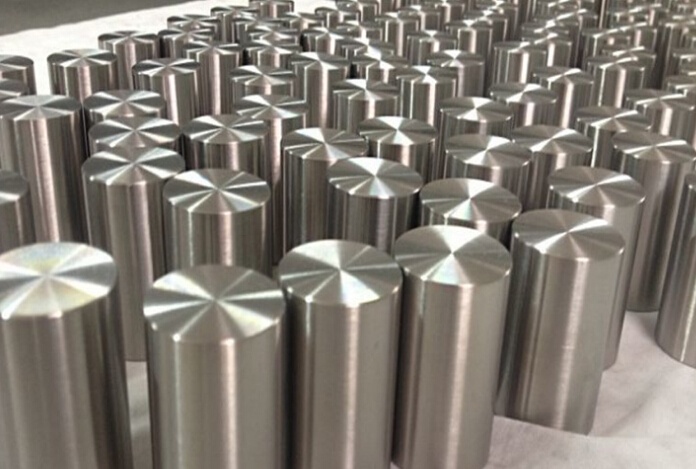
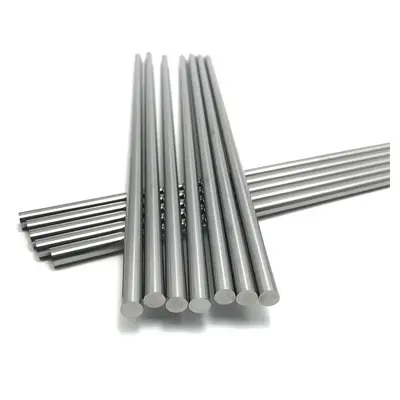
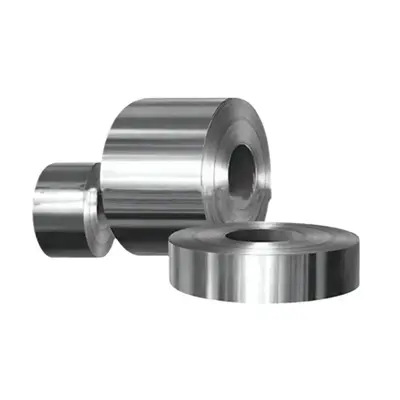
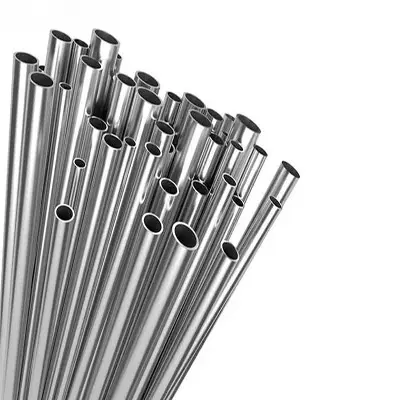
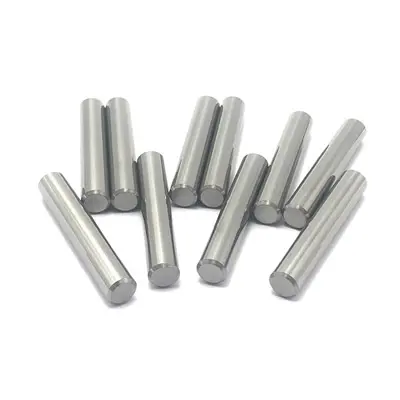
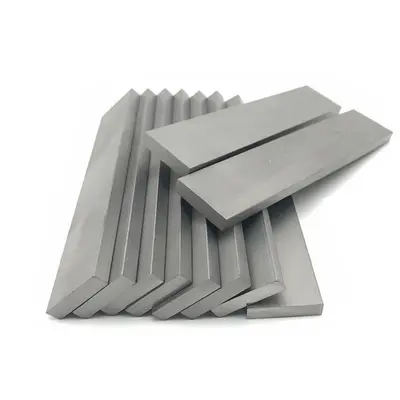
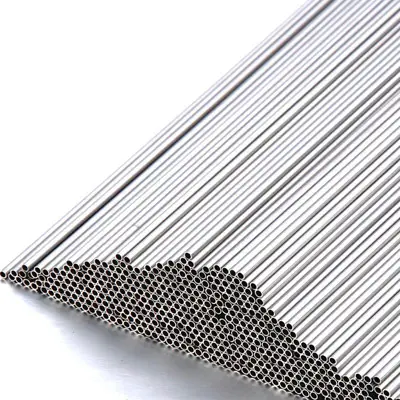
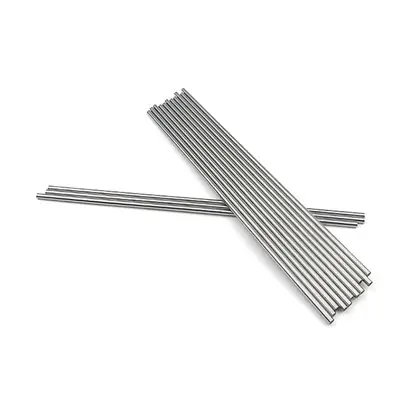
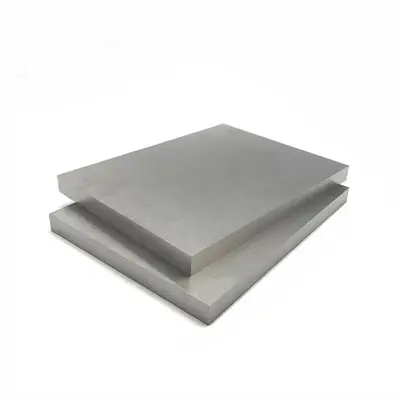
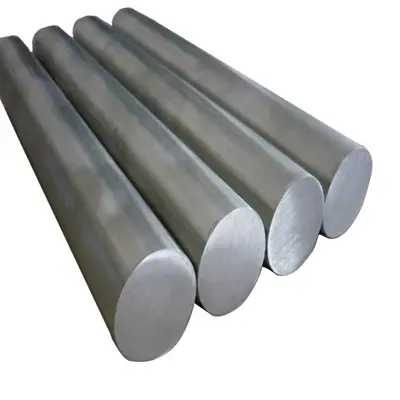
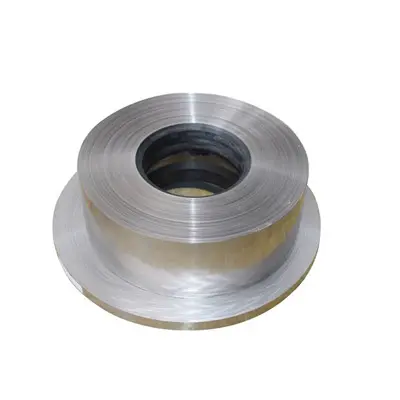
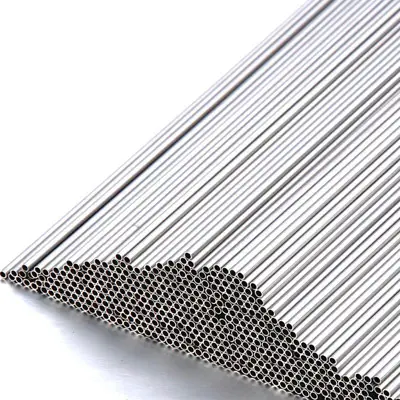
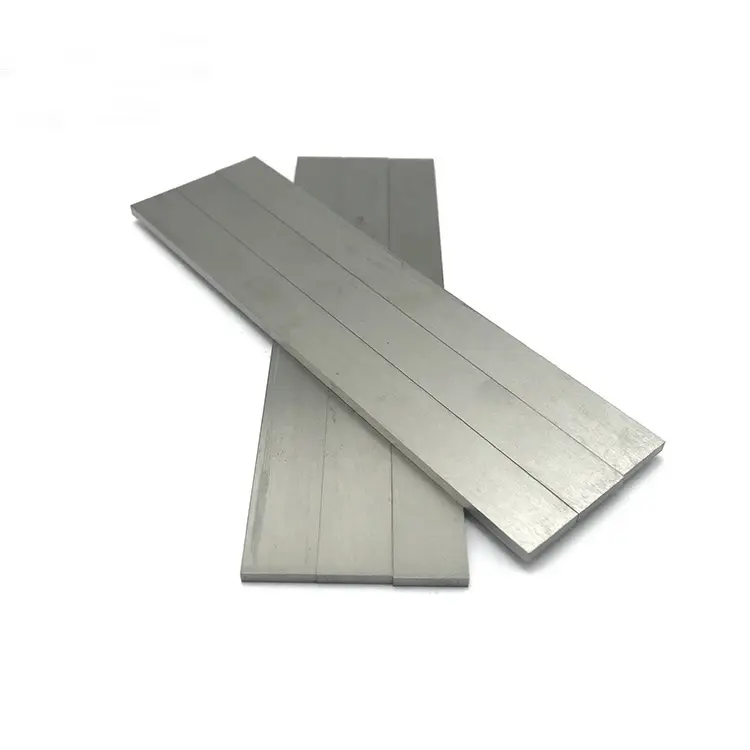
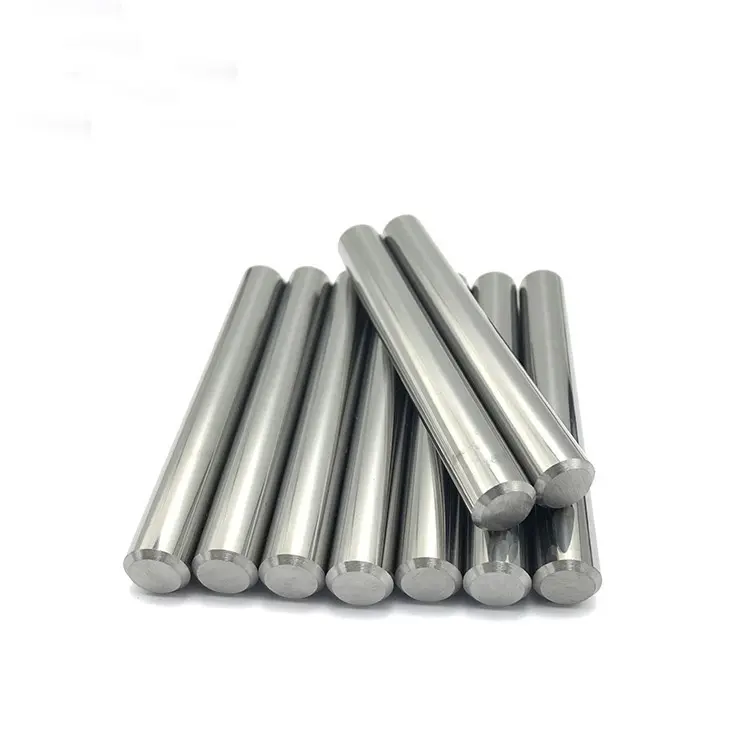
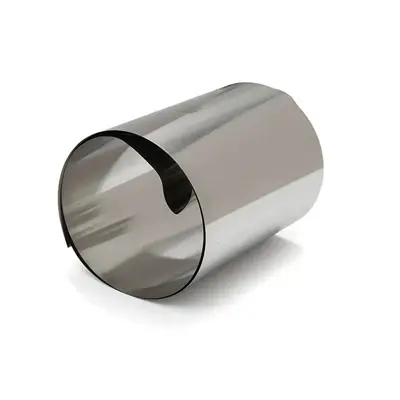
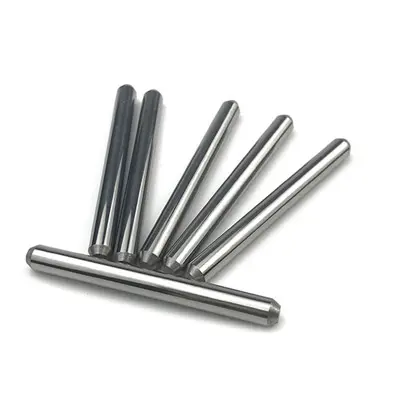
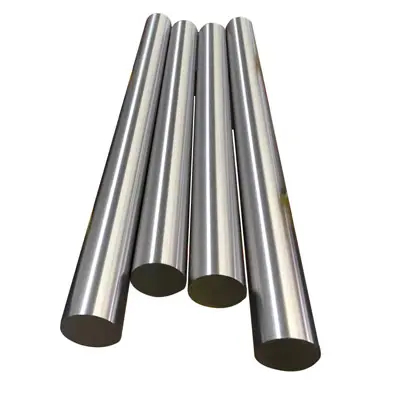
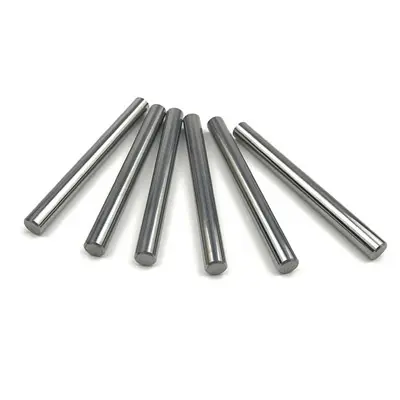
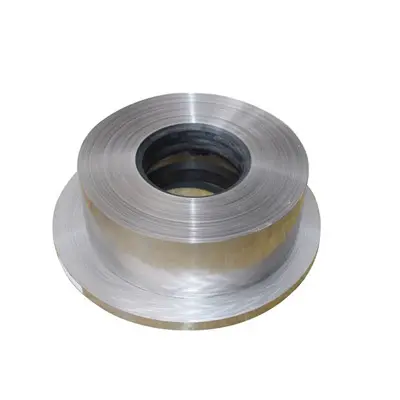
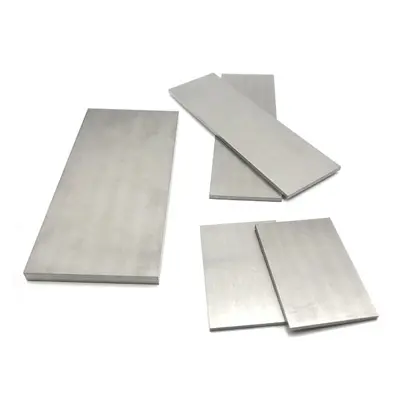
Inconel® Alloy X‑750 is a precipitation‑hardenable nickel‑chromium superalloy prized for its high strength, creep resistance, and corrosion resistance at temperatures up to 800 °C (1,472 °F). At JXalloys, we supply custom Alloy X‑750 in plates, bars, rods, coils, pipes, and wire—tailored to your demanding industrial applications in aerospace, power generation, and chemical processing.
What Is Alloy X‑750?
Alloy X‑750 (UNS N07750) is a nickel‑chromium‑iron base alloy that gains its strength through a precipitation‑hardening treatment. Originally developed for turbine rotor disks and blades, it features excellent tensile and creep properties from cryogenic temperatures up to 1,000 °F (538 °C).
Inconel® X-750) Full Specifications
1. Chemical Composition (Weight %)
Notes:
UNS Designation: N07750; EN/W.Nr.: 2.4669 3510.
2. Physical Properties
3. Mechanical Properties (Minimum Specified)
Room Temperature (Annealed/Solution-Treated Condition)
Elevated Temperatures (Precipitation-Hardened)
Notes:
Strength optimized via aging (e.g., 705°C/16h + 620°C/8h).
Stress rupture strength (815°C/1,000h): 110 MPa.
4. Heat Treatment Specifications
Critical Notes:
Avoid sulfur-containing atmospheres to prevent sulfidation.
Not recommended for prolonged exposure in 650–870°C range (risk of embrittlement).
5. Key Applications
6. International Standards
Note: Compliant with NACE MR0175 for sour gas environments.
Applications of Alloy X‑750
Aerospace: Turbine discs, blades, fasteners, and combustion chambers.
Power Generation: Springs and fasteners in nuclear reactors, gas‑turbine components.
Chemical Processing: Heat‑exchanger tubes, valves, and impellers in corrosive services.
Oil & Gas: Downhole tools and high‑temperature flanges.
Why Choose Alloy X‑750?
Strength at Temperature: Maintains > 75% of room‑temperature tensile strength at 700 °C.
Versatility: Usable in welded or wrought forms after proper aging.
Longevity: Exceptional creep‑rupture life extends component service intervals.
Corrosion Resistance: Resists oxidation in superheated steam and sulfur‑bearing atmospheres.
Manufacturing & Forming Alloy X‑750
Alloy X‑750 can be hot‑worked in the range of 980–1,140 °C and cold‑worked for sheet, bar, or wire. The typical heat treatment involves solution‑annealing at 1,040 °C, rapid quenching, then aging at 700–750 °C for 4–6 hours to precipitate γ′ (Ni₃(Al,Ti)).
Comparison with Similar Alloys
Alloy X‑750 welds well using nickel‑base filler metals (ERNiCr‑3 or ERNiCrFe‑7). Preheat to 150–200 °C, control interpass temperature below 300 °C, and post‑weld age to restore precipitation‑hardened strength.
global price comparison
? Key Takeaways:
Plate/Sheet in India ranges from $47 to $60/kg; China offers budget pricing at ~$15/kg for small batches.
Bar/Rod prices in India are ~$41/kg; UK/EU prices not listed but available via distributors.
Coil prices are often quoted upon request, e.g., via Goodfellow in the USA.
Wire pricing varies by volume: from $45/kg (small orders) down to $35/kg (bulk) in China.
? FAQs
1. What heat-treatment is required for peak strength?
Alloy X‑750 achieves optimal properties through a three-stage process:
Solution-treat at ~2100 °F (1150 °C),
Stabilize at 1550 °F,
Precipitation-age at 1300 °F for 20 hours, then air-cool.
This yields excellent strength and creep resistance up to 1300 °F (700 °C).
2. Is Inconel X‑750 weldable without property loss?
Welding X‑750 is feasible but leads to localized weakening in the heat-affected zone.
Specialized filler rods (ERNiCr-3/718) are used, followed by post-weld heat treatment (solution + age) to restore strength.
3. What is its corrosion resistance profile?
The alloy resists oxidizing and reducing environments up to ~1300 °F.
Age-hardened X‑750 is also highly resistant to chloride-ion stress corrosion cracking, making it suitable for marine and nuclear applications.
4. What are the typical mechanical properties?
Room-temperature tensile strength ranges from 930 to 1034 MPa (135–150 ksi), with ≥ 20% elongation.
At 400 °C (750 °F), UTS remains ~745 MPa, and yield ~365 MPa.
5. Why choose X‑750 over alloys like 718 or 625?
Stiffness & high-temp strength: X‑750 shows slightly higher modulus and better stress-rupture at 1400–1600 °F than 718.
Chloride SCC resistance: Rated for NACE MR0175 service up to 50 HRC—superior to 718 in sour conditions.
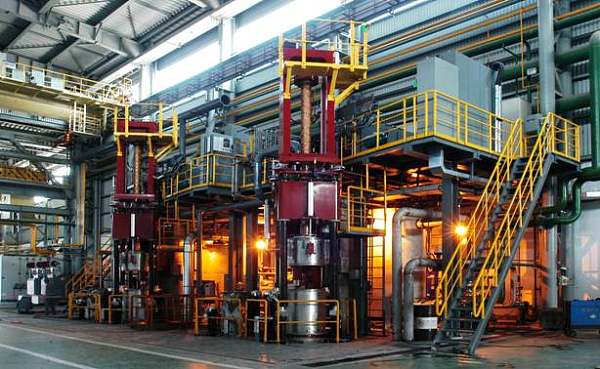
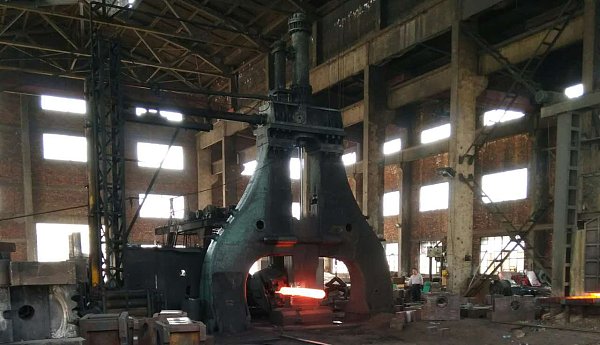
◉ Factory Show
◉ MESSAGE
◉ SIMILAR RECOMMENDED
/ Supermendur /1J22/ Permendur/49КФ/AFK502/Co50V2") Hiperco 50 (1J22)/ Supermendur /1J22/ Permendur/49КФ/AFK502/Co50V2
Hiperco 50 (1J22)/ Supermendur /1J22/ Permendur/49КФ/AFK502/Co50V2/ Supermendur /1J22/ Permendur/49КФ/AFK502/Co50V2-1 Tube Pipe") Hiperco 50 Tube Pipe (1J22)/ Supermendur /1J22/ Permendur/49КФ/AFK502/Co50V2-1 Tube Pipe
Hiperco 50 Tube Pipe (1J22)/ Supermendur /1J22/ Permendur/49КФ/AFK502/Co50V2-1 Tube Pipe/ Supermendur /1J22/ Permendur/49КФ/AFK502/Co50V2-1 Bar Rod") Hiperco 50 Bar Rod (1J22)/ Supermendur /1J22/ Permendur/49КФ/AFK502/Co50V2-1 Bar Rod
Hiperco 50 Bar Rod (1J22)/ Supermendur /1J22/ Permendur/49КФ/AFK502/Co50V2-1 Bar Rod/Russia 50H/1J50 Strip Ring") NiFe Alloy 50 Strip Ring (1J50)/Russia 50H/1J50 Strip Ring
NiFe Alloy 50 Strip Ring (1J50)/Russia 50H/1J50 Strip Ring/Russia 50H/1J50 Tube Pipe") NiFe Alloy 50 Tube Pipe (1J50)/Russia 50H/1J50 Tube Pipe
NiFe Alloy 50 Tube Pipe (1J50)/Russia 50H/1J50 Tube Pipe/Russia 50H/1J50 Bar Rod") NiFe Alloy 50 Bar Rod (1J50)/Russia 50H/1J50 Bar Rod
NiFe Alloy 50 Bar Rod (1J50)/Russia 50H/1J50 Bar Rod/Russia 50H/1J50 Sheet Plate") NiFe Alloy 50 Sheet Plate (1J50)/Russia 50H/1J50 Sheet Plate
NiFe Alloy 50 Sheet Plate (1J50)/Russia 50H/1J50 Sheet Plate Su Permalloy 1J85 /UNS N14080,GB/T 32286.1-2015 Bar Tube Pipe Wire
 Su Permalloy 1J85 Tube Pipe /UNS N14080,GB/T 32286.1-2015 Tube Pipe
 Su Permalloy 1J85 Sheet Pipe /UNS N14080,GB/T 32286.1-2015 Sheet Pipe
 Su Permalloy 1J85 Bar Rod /UNS N14080 GB/T 32286.1-2015 Bar Rod
 Wire Strip /UNS N14080,GB/T 32286.1-2015 Wire Strip") Permalloy Alloy 80(1J79) Wire Strip /UNS N14080,GB/T 32286.1-2015 Wire Strip
Permalloy Alloy 80(1J79) Wire Strip /UNS N14080,GB/T 32286.1-2015 Wire Strip Tube Pipe /UNS N14080,GB/T 32286.1-2015 Tube Pipe") Permalloy Alloy 80(1J79) Tube Pipe /UNS N14080,GB/T 32286.1-2015 Tube Pipe
Permalloy Alloy 80(1J79) Tube Pipe /UNS N14080,GB/T 32286.1-2015 Tube Pipe Sheet Plate /UNS N14080,GB/T 32286.1-2015 Sheet Plate") Permalloy Alloy 80(1J79) Sheet Plate /UNS N14080,GB/T 32286.1-2015 Sheet Plate
Permalloy Alloy 80(1J79) Sheet Plate /UNS N14080,GB/T 32286.1-2015 Sheet Plate Bar Rod /UNS N14080,GB/T 32286.1-2015 Bar Rod") Permalloy Alloy 80(1J79) Bar Rod /UNS N14080,GB/T 32286.1-2015 Bar Rod
Permalloy Alloy 80(1J79) Bar Rod /UNS N14080,GB/T 32286.1-2015 Bar Rod 4J42 Ring Strip UNS K94100 /W. Nr.1.3917 ASTM F30 precision iron-nickel alloy Ring Strip
 4J42 Tube Pipe UNS K94100 /W. Nr.1.3917 ASTM F30 precision iron-nickel alloy Tube Pipe
 4J42 Bar Rod UNS K94100 /W. Nr.1.3917 ASTM F30 precision iron-nickel alloy Bar Rod
 4J42 UNS K94100 /W. Nr.1.3917 ASTM F30 precision iron-nickel alloy
 Super Invar 32-5/4J32/K93500/Super Invar Tube Bar Rod Sheet
 Super Invar 32-5 Sheet Plate 4J32/K93500/Super Invar Sheet Plate
Thank you very much for writing to us. Please leave your message and contact information, we will reply to you within 24 hours.