MESSAGE
If you have any questions, please contact us and we will contact you as soon as possible.
‹
›
‹
›
◉ PRODUCT SPECIFICATION
Inconel Alloy 602CA establishes itself as the premier choice for extreme high-temperature applications, offering unmatched oxidation resistance and thermal stability that surpasses conventional superalloys. This chromia-forming nickel-chromium superalloy delivers exceptional performance in oxidizing environments up to 2200°F (1204°C), making it indispensable for aerospace propulsion systems, industrial heating equipment, and advanced thermal processing applications where material integrity cannot be compromised.
What is Inconel Alloy 602CA?
Inconel Alloy 602CA is a nickel-chromium-iron material enhanced with deliberate aluminum and carbon additions (denoted by “CA”). Unlike generic austenitic alloys, its formulation prioritizes dual protection: surface integrity through self-healing alumina layers and grain boundary reinforcement via stable carbide networks. The inclusion of yttrium (0.05–0.12%) dramatically reduces oxide spalling during thermal cycling—a common failure mode in furnace rollers or radiant tubes subjected to repeated heating-cooling sequences. Certified for pressure vessel use up to 1150°C, it resists sulfidation, chlorination, and carburization where alloys like 800H or 310S rapidly degrade.
The "CA" designation indicates controlled aluminum content, which enhances the alloy's ability to form stable oxide layers. This metallurgical advancement allows components to maintain structural integrity during prolonged exposure to temperatures that would rapidly degrade alternative materials.
What is the Chemical Composition of Inconel Alloy 602CA?
The carefully balanced chemical composition of Inconel 602CA creates its exceptional high-temperature performance characteristics. Each element contributes specific benefits to overall alloy behavior.
The aluminum content between 2.1-2.75% represents a critical specification that enables protective alumina scale formation. This controlled addition prevents excessive aluminum levels that could compromise mechanical properties while ensuring adequate oxidation protection.
Yttrium additions, though minimal, provide significant benefits by improving scale adhesion and reducing spallation during thermal cycling. This rare earth element acts as a key strengthening agent for oxide layer integrity.
What are the Mechanical Properties of Inconel Alloy 602CA?
Inconel 602CA exhibits remarkable mechanical properties that remain stable across wide temperature ranges, enabling reliable performance in demanding applications.
These properties demonstrate the alloy's ability to maintain strength and ductility at elevated temperatures while providing design flexibility for complex geometries. The stress rupture characteristics particularly excel in long-term high-temperature applications.
What is the Specification of Inconel Alloy 602CA?
International specifications govern the production, testing, and application of Inconel 602CA across various industries and geographic regions.
These specifications ensure consistent material properties and quality control measures across global supply chains. Compliance with multiple standards facilitates international procurement and regulatory approval processes.
The aerospace specifications (AMS) include additional requirements for cleanliness, grain size control, and mechanical property uniformity that exceed commercial standards.
What does Inconel Alloy 602CA Stand For?
The designation "Inconel Alloy 602CA" contains specific technical information that identifies its composition class and intended applications.
"Inconel" represents the trademarked family of nickel-chromium superalloys developed for extreme temperature service. This brand designation indicates premium quality materials engineered for critical applications where failure is not acceptable.
The numerical designation "602" identifies this particular alloy within the Inconel family, distinguishing it from other variants such as 600, 625, or 718. This numbering system helps engineers and procurement specialists specify exact material requirements.
"CA" specifically indicates "Controlled Aluminum" composition, highlighting the precise aluminum content that enables superior oxidation resistance. This suffix distinguishes 602CA from other potential variants and ensures proper material selection for high-temperature oxidizing environments.
We recognize this nomenclature system provides clear communication between materials engineers, designers, and suppliers worldwide. The standardized designation prevents confusion and ensures accurate material specification for critical applications.
What is the Equivalent of Inconel Alloy 602CA?
Several international equivalent designations correspond to Inconel 602CA, though compositional tolerances may vary between different standards organizations.
The primary European equivalent appears as DIN 2.4633 under German industrial standards, while EN specifications refer to this material as NiCr23Al. These European designations maintain similar base compositions but may include different trace element limits or heat treatment requirements.
Japanese Industrial Standards identify this alloy as NCF 602, maintaining comparable chemical composition ranges with locally adapted testing procedures. The JIS specification includes specific requirements for Japanese manufacturing practices and quality control methods.
UNS N06025 provides the unified numbering system designation used throughout North America, ensuring consistent identification across ASTM and ASME specifications. This designation facilitates accurate procurement when sourcing from multiple suppliers or regions.
When specifying equivalent materials, we recommend careful verification of exact compositional requirements, particularly aluminum and yttrium content, since these elements critically affect oxidation resistance performance.
What is the Difference Between Inconel Alloy 602CA, 600 and 625?
Understanding the distinctions between these prominent Inconel variants enables optimal material selection for specific operating conditions and performance requirements.
Inconel 602CA provides superior high-temperature oxidation resistance through its higher chromium content and controlled aluminum additions. Inconel 600 excels in aqueous corrosion applications, while Inconel 625 offers the highest strength through precipitation hardening mechanisms.
The choice between these alloys depends primarily on operating environment characteristics, with 602CA being optimal for high-temperature oxidizing conditions.
What is Inconel Alloy 602CA Used For?
Inconel 602CA finds extensive application in industries requiring exceptional oxidation resistance at extreme temperatures where conventional alloys cannot survive.
Aerospace propulsion systems utilize this alloy for combustor components, afterburner parts, and exhaust system elements. The material's ability to withstand jet engine operating temperatures while resisting oxidation makes it essential for modern aircraft propulsion technology.
Industrial heating equipment manufacturers specify 602CA for radiant tubes, heating elements, and furnace internals operating above 2000°F (1093°C). The alloy maintains dimensional stability and prevents scaling in continuous high-temperature service.
Petrochemical processing facilities employ this material for reformer components, cracking furnace parts, and thermal processing equipment. Its resistance to carburizing and oxidizing environments ensures reliable operation in hydrocarbon processing applications.
Power generation plants incorporate 602CA in gas turbine hot section components, steam generator parts, and heat recovery systems. The material's thermal cycling resistance prevents cracking and dimensional changes during startup and shutdown operations.
Advanced manufacturing processes including heat treatment furnaces, sintering equipment, and materials processing systems rely on 602CA for critical high-temperature components where oxidation resistance is paramount.
What is the Classification of Inconel Alloy 602CA?
Technical classification systems categorize Inconel 602CA according to its metallurgical characteristics, application suitability, and performance attributes.
This classification framework helps materials engineers understand fundamental alloy behavior and select appropriate processing techniques. The austenitic structure provides good formability while maintaining high-temperature stability.
The chromia-forming behavior distinguishes 602CA from alumina-forming alloys, providing different oxidation kinetics and scale properties suitable for specific applications.
What is Inconel Alloy Grades?
The Inconel alloy grade system encompasses multiple variants engineered for specific temperature, strength, and corrosion requirements across diverse industrial applications.
Inconel 602CA represents a specialized grade within the 600 series, optimized for extreme oxidation resistance through controlled aluminum and yttrium additions. This grade excels in applications where scale formation and spallation resistance are critical performance factors.
Other significant Inconel grades include 718 (precipitation hardenable for structural applications), 625 (aqueous corrosion resistance), and X-750 (age-hardenable for springs and fasteners). Each grade addresses specific engineering challenges through tailored compositions and heat treatments.
The grade designation system allows precise specification of material characteristics for critical applications. Understanding grade differences ensures optimal material selection and prevents costly application failures due to inappropriate alloy selection.
Higher-grade Inconel alloys typically command premium pricing but provide superior performance in demanding service conditions where standard materials cannot meet requirements.
Inconel Alloy 602CA Global Market Pricing 2025
Current global market conditions for Inconel 602CA reflect raw material availability, processing complexity, and regional demand patterns across key industrial sectors.
These pricing ranges reflect the premium nature of 602CA compared to standard Inconel grades. Raw material costs, particularly nickel and chromium, represent approximately 70% of total material costs.
Yttrium and aluminum additions, while small in percentage, significantly impact pricing due to processing complexity and quality control requirements. Long-term supply agreements typically offer 8-12% discounts from spot market pricing.
Market volatility stems primarily from nickel commodity fluctuations and aerospace industry demand cycles. We recommend monitoring rare earth element pricing trends when planning significant material purchases.
Advantages of Inconel Alloy 602CA
Inconel 602CA delivers multiple performance benefits that justify its premium position in high-temperature oxidation-resistant applications.
Exceptional oxidation resistance at temperatures exceeding 2000°F (1093°C) enables extended component life in extreme environments. The protective alumina scale formation prevents rapid material degradation that affects conventional alloys.
Outstanding thermal stability maintains mechanical properties during temperature cycling, reducing thermal stress and preventing component cracking. This characteristic proves essential for applications with frequent startup and shutdown cycles.
Superior scale adhesion minimizes spallation during thermal shock conditions, maintaining protective barrier integrity. The yttrium additions significantly improve oxide layer tenacity compared to conventional chromia-forming alloys.
Excellent high-temperature strength retention allows structural applications at temperatures where most materials lose load-bearing capability. This property enables lighter-weight designs in aerospace and industrial applications.
Proven performance history in critical applications provides confidence for new installations. Decades of successful service in gas turbines and industrial furnaces demonstrate reliability under extreme conditions.
Good fabricability allows conventional forming, welding, and machining operations with appropriate techniques. This workability reduces manufacturing costs and enables complex component geometries required for modern applications.
Manufacturing Process of Inconel Alloy 602CA
The manufacturing process for Inconel 602CA requires sophisticated metallurgical control to achieve the precise composition and microstructure necessary for exceptional high-temperature performance.
Primary melting utilizes vacuum induction melting (VIM) or vacuum arc remelting (VAR) processes to achieve ultra-clean chemistry. These advanced melting techniques minimize inclusions and ensure homogeneous distribution of critical alloying elements, particularly aluminum and yttrium.
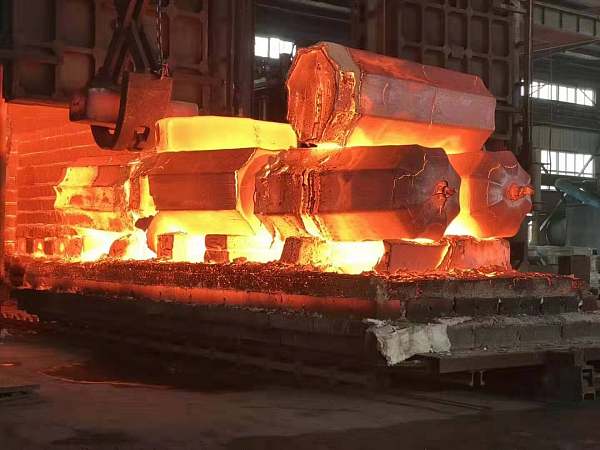
Ingot processing involves careful temperature control during breakdown operations to prevent aluminum segregation and oxide formation. Hot working temperatures typically range from 2000-2100°F (1093-1149°C) with controlled cooling rates to develop optimal grain structure.
Thermomechanical processing combines controlled deformation with precise thermal treatments to achieve desired mechanical properties. This processing sequence develops the microstructure necessary for high-temperature strength and oxidation resistance.
Solution heat treatment at 2050°F (1121°C) followed by rapid cooling ensures complete dissolution of secondary phases and produces a uniform austenitic matrix. This thermal processing step is critical for achieving specified properties.
Quality assurance includes extensive chemical analysis, mechanical testing, and microstructural examination. Advanced techniques such as electron probe microanalysis verify aluminum and yttrium distribution throughout the material.
Final inspection encompasses non-destructive evaluation including ultrasonic testing and dye penetrant examination to ensure freedom from internal defects that could compromise service performance.
Spanish Procurement Case Study
A leading Spanish aerospace manufacturer recently implemented Inconel 602CA for next-generation gas turbine combustor components in a collaborative European Union aerospace development program.
The project required 12 tons of premium-grade 602CA forgings and machined components for prototype engine testing. Operating specifications demanded continuous operation at 2150°F (1177°C) in combustion gas environments with thermal cycling requirements.
Procurement challenges included sourcing material meeting stringent aerospace specifications (AMS 5896) with full traceability documentation. European suppliers provided competitive pricing while ensuring compliance with REACH regulations and conflict mineral requirements.
Technical requirements included grain size control, mechanical property uniformity, and specialized non-destructive testing beyond standard commercial specifications. Pre-production qualification testing validated material performance under simulated service conditions.
Manufacturing operations involved precision forging, machining, and electron beam welding of complex combustor geometries. Spanish fabrication facilities invested in specialized equipment and operator training to handle the demanding processing requirements.
Performance validation through 500-hour engine testing demonstrated excellent oxidation resistance and dimensional stability. Component inspection revealed minimal scale formation and no evidence of thermal fatigue cracking, validating material selection for this critical application.
The successful implementation established 602CA as the preferred material for future high-temperature combustor applications and positioned the Spanish manufacturer as a key supplier in the European aerospace supply chain.
Frequently Asked Questions
What welding procedures are recommended for Inconel 602CA?
We recommend using gas tungsten arc welding (GTAW) with Inconel 622 or ERNiCrMo-10 filler metals. Preheating to 400-600°F (204-316°C) helps prevent cracking, and post-weld stress relief at 1800°F (982°C) optimizes joint properties. Maintain low heat input and use argon backing gas to prevent oxidation during welding operations.
How does 602CA perform in sulfur-containing environments?
Inconel 602CA exhibits moderate resistance to sulfur-containing environments at elevated temperatures. While it performs better than conventional stainless steels, applications involving high sulfur concentrations above 1800°F (982°C) may require protective coatings or alternative alloy selection such as Inconel 625 for enhanced sulfur resistance.
What are the recommended machining parameters for 602CA?
Use carbide tooling with positive rake angles and maintain consistent feed rates to prevent work hardening. Cutting speeds of 150-250 SFM with feed rates of 0.005-0.015 IPR provide optimal results. Employ flood coolant and avoid dwelling in cuts to prevent tool wear and surface damage.
Can Inconel 602CA be cold formed?
Yes, but work hardening occurs rapidly requiring frequent annealing cycles. Limit cold reduction to 10-15% between annealing treatments at 2050°F (1121°C). For complex forming operations, perform work at elevated temperatures (1600-1800°F) to reduce springback and prevent cracking.
What factors affect the pricing of Inconel 602CA?
Primary cost drivers include nickel base metal pricing (representing 65% of raw material costs), chromium availability, and yttrium rare earth element costs. Processing complexity, quality requirements, and order quantities also significantly influence final pricing. Aerospace specifications typically add 15-25% premium over commercial grades.
References
- ASTM International - ASTM B168 Standard Specification for Nickel-Chromium Iron Alloys and Nickel-Chromium Cobalt Molybdenum Alloy Plate, Sheet, and Strip
- SAE International - AMS 5896 Nickel Alloy, Corrosion and Heat Resistant, Bars, Forgings, and Rings
- National Institute of Standards and Technology - High Temperature Materials Research Program
- American Society of Mechanical Engineers - ASME SB-168 Material Specification
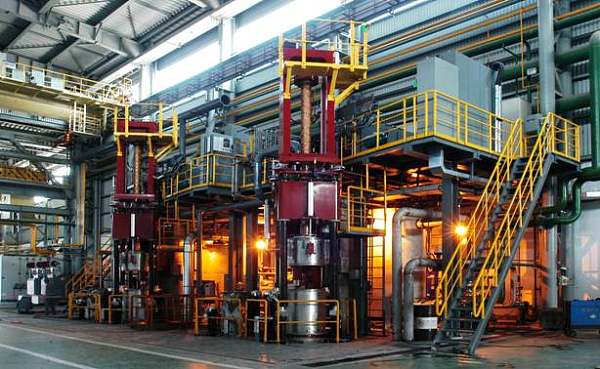
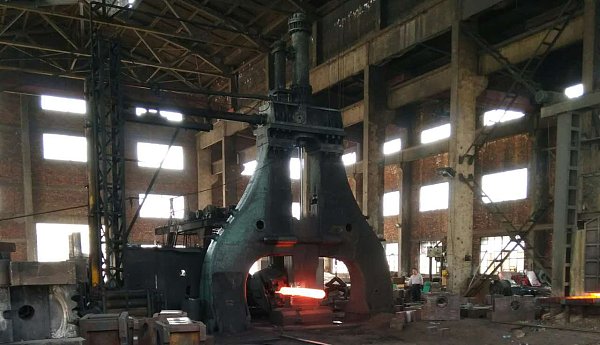
◉ Factory Show
◉ MESSAGE
◉ SIMILAR RECOMMENDED
/ Supermendur /1J22/ Permendur/49КФ/AFK502/Co50V2") Hiperco 50 (1J22)/ Supermendur /1J22/ Permendur/49КФ/AFK502/Co50V2
Hiperco 50 (1J22)/ Supermendur /1J22/ Permendur/49КФ/AFK502/Co50V2/ Supermendur /1J22/ Permendur/49КФ/AFK502/Co50V2-1 Tube Pipe") Hiperco 50 Tube Pipe (1J22)/ Supermendur /1J22/ Permendur/49КФ/AFK502/Co50V2-1 Tube Pipe
Hiperco 50 Tube Pipe (1J22)/ Supermendur /1J22/ Permendur/49КФ/AFK502/Co50V2-1 Tube Pipe/ Supermendur /1J22/ Permendur/49КФ/AFK502/Co50V2-1 Bar Rod") Hiperco 50 Bar Rod (1J22)/ Supermendur /1J22/ Permendur/49КФ/AFK502/Co50V2-1 Bar Rod
Hiperco 50 Bar Rod (1J22)/ Supermendur /1J22/ Permendur/49КФ/AFK502/Co50V2-1 Bar Rod/Russia 50H/1J50 Strip Ring") NiFe Alloy 50 Strip Ring (1J50)/Russia 50H/1J50 Strip Ring
NiFe Alloy 50 Strip Ring (1J50)/Russia 50H/1J50 Strip Ring/Russia 50H/1J50 Tube Pipe") NiFe Alloy 50 Tube Pipe (1J50)/Russia 50H/1J50 Tube Pipe
NiFe Alloy 50 Tube Pipe (1J50)/Russia 50H/1J50 Tube Pipe/Russia 50H/1J50 Bar Rod") NiFe Alloy 50 Bar Rod (1J50)/Russia 50H/1J50 Bar Rod
NiFe Alloy 50 Bar Rod (1J50)/Russia 50H/1J50 Bar Rod/Russia 50H/1J50 Sheet Plate") NiFe Alloy 50 Sheet Plate (1J50)/Russia 50H/1J50 Sheet Plate
NiFe Alloy 50 Sheet Plate (1J50)/Russia 50H/1J50 Sheet Plate Su Permalloy 1J85 /UNS N14080,GB/T 32286.1-2015 Bar Tube Pipe Wire
 Su Permalloy 1J85 Tube Pipe /UNS N14080,GB/T 32286.1-2015 Tube Pipe
 Su Permalloy 1J85 Sheet Pipe /UNS N14080,GB/T 32286.1-2015 Sheet Pipe
 Su Permalloy 1J85 Bar Rod /UNS N14080 GB/T 32286.1-2015 Bar Rod
 Wire Strip /UNS N14080,GB/T 32286.1-2015 Wire Strip") Permalloy Alloy 80(1J79) Wire Strip /UNS N14080,GB/T 32286.1-2015 Wire Strip
Permalloy Alloy 80(1J79) Wire Strip /UNS N14080,GB/T 32286.1-2015 Wire Strip Tube Pipe /UNS N14080,GB/T 32286.1-2015 Tube Pipe") Permalloy Alloy 80(1J79) Tube Pipe /UNS N14080,GB/T 32286.1-2015 Tube Pipe
Permalloy Alloy 80(1J79) Tube Pipe /UNS N14080,GB/T 32286.1-2015 Tube Pipe Sheet Plate /UNS N14080,GB/T 32286.1-2015 Sheet Plate") Permalloy Alloy 80(1J79) Sheet Plate /UNS N14080,GB/T 32286.1-2015 Sheet Plate
Permalloy Alloy 80(1J79) Sheet Plate /UNS N14080,GB/T 32286.1-2015 Sheet Plate Bar Rod /UNS N14080,GB/T 32286.1-2015 Bar Rod") Permalloy Alloy 80(1J79) Bar Rod /UNS N14080,GB/T 32286.1-2015 Bar Rod
Permalloy Alloy 80(1J79) Bar Rod /UNS N14080,GB/T 32286.1-2015 Bar Rod 4J42 Ring Strip UNS K94100 /W. Nr.1.3917 ASTM F30 precision iron-nickel alloy Ring Strip
 4J42 Tube Pipe UNS K94100 /W. Nr.1.3917 ASTM F30 precision iron-nickel alloy Tube Pipe
 4J42 Bar Rod UNS K94100 /W. Nr.1.3917 ASTM F30 precision iron-nickel alloy Bar Rod
 4J42 UNS K94100 /W. Nr.1.3917 ASTM F30 precision iron-nickel alloy
 Super Invar 32-5/4J32/K93500/Super Invar Tube Bar Rod Sheet
 Super Invar 32-5 Sheet Plate 4J32/K93500/Super Invar Sheet Plate
Thank you very much for writing to us. Please leave your message and contact information, we will reply to you within 24 hours.