MESSAGE
If you have any questions, please contact us and we will contact you as soon as possible.
‹
›
‹
›
◉ PRODUCT SPECIFICATION
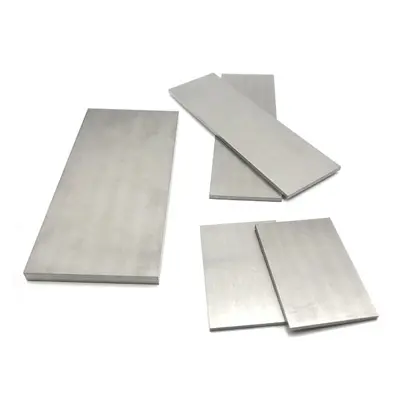
We offer Inconel® Alloy 601 as a premier high-temperature nickel‑chromium‑based alloy engineered for environments requiring exceptional oxidation and corrosion resistance. We leverage decades of metallurgical expertise to deliver material that withstands continuous service up to 1,100 °C (2,012 °F) while retaining mechanical integrity. You’ll find our Alloy 601 excels where typical stainless steels falter—resisting carburization, sulfidation, and molten salt attack with ease.
Development and Background
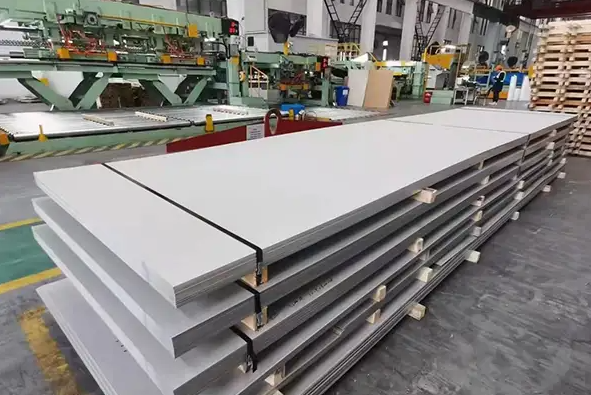
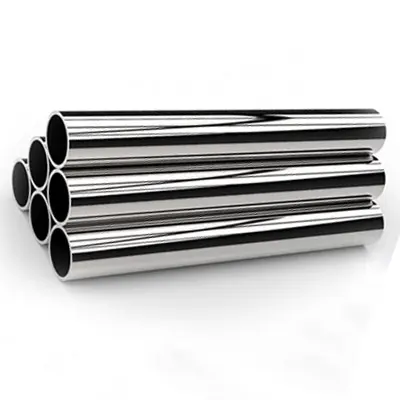
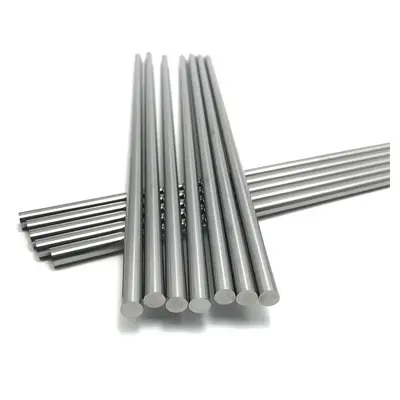
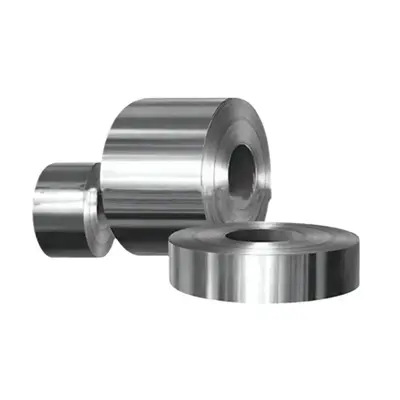
We trace Alloy 601’s origins to the 1960s, when aerospace leaders demanded alloys that combined high chromium levels with aluminium and titanium additions. That initiative yielded a material with an adherent alumina scale for oxidation resistance, coupled with solid-solution and precipitation hardening for strength. Today, MWalloys continues that legacy—refining melt practices, controlling inclusion content, and optimizing homogenization so you receive consistent, high‐performance plate, bar, tube, and sheet product.
Complete Specifications & Parameters
Chemical Composition (Weight %)
Mechanical Properties (Room Temperature, Annealed)
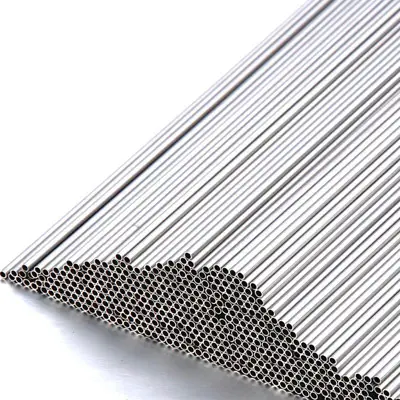
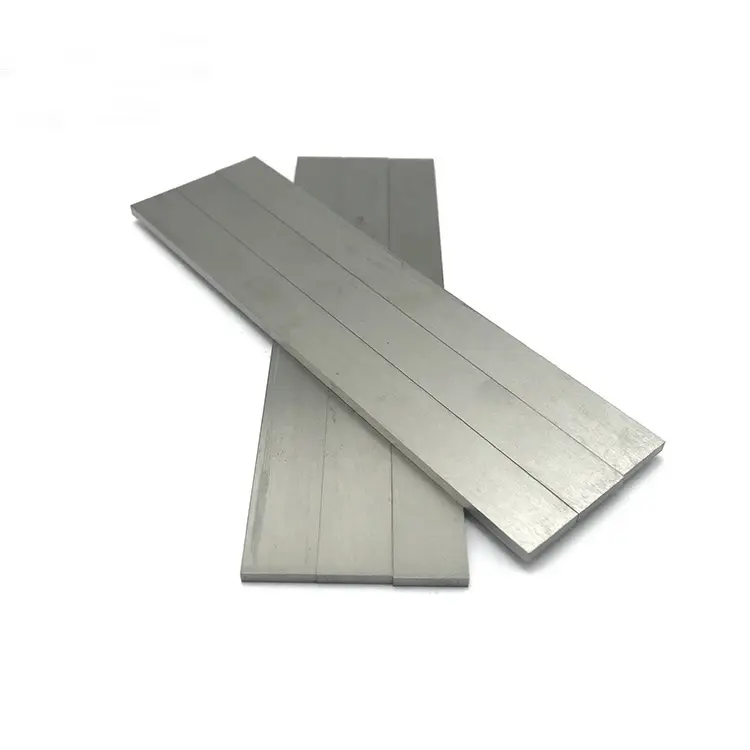
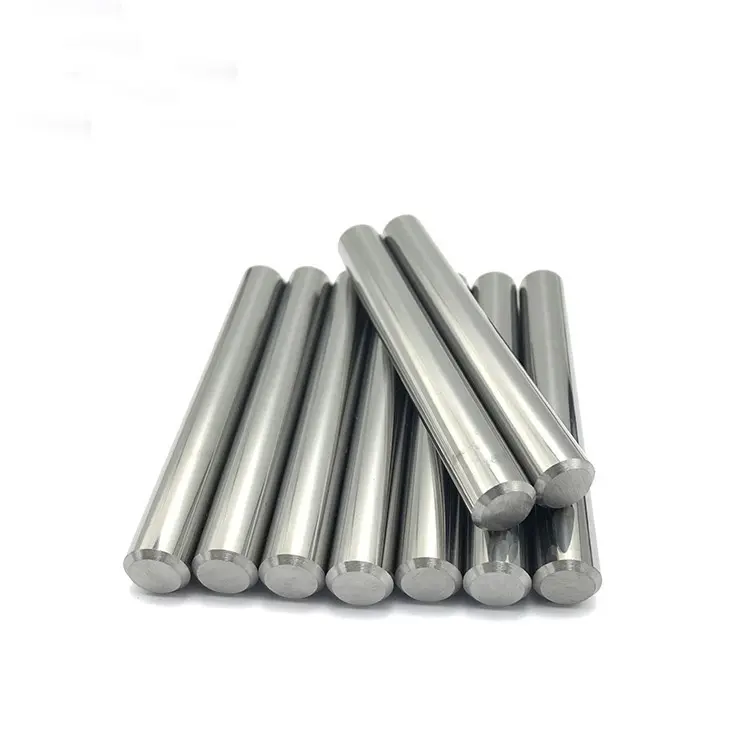
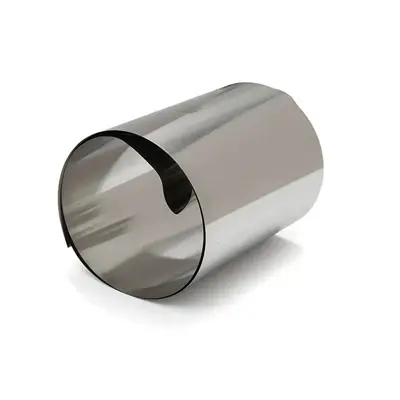
Common Product Forms & Dimensions
Key Applications
International Standards
Comparison with Other Inconel Alloys
Historical Price Comparison (2020–2024)
Unit: USD per kg (approximate averages)
Notes:
2024 Inconel 601 price in USA is quoted as $40.30/kg.
European Inconel 601 average price is €35.36/kg, about $39.00/kg using current exchange rate.
Asia‑Pacific (proxied by India/Japan) generally aligns close to the Chinese supply chain, around $40/kg too in 2024.
Regional Price Comparison in 2025 (Q1)
Unit: USD per kg (converted from USD/MT)
Notes:
These figures refer primarily to Alloy 600 or 625 pricing, but they are widely used interchangeably as market analogues for Inconel 601 cost structure.
North American price (~$57.41/kg) is highest, reflecting Q4‑2024 Alloy 625 prices (likely similar in early 2025).
Asia‑Pacific region shows intermediate pricing (~$54.72/kg), based on Osaka ex‑works pricing for Sheet alloys in Q1‑2025.
Europe remains lowest (~$47.23/kg), per Q4‑2024 Germany-based Alloy prices.
High‑Temperature Performance
Short‐term tensile strength remains above 450 MPa (65 ksi) at 800 °C, and the alloy resists creep rupture far longer than 304 or 316 stainless steels. Moreover, continuous use at 1,050 °C is feasible when rapid oxidation kinetics must be tamed.
Oxidation and Corrosion Resistance
Why choose Alloy 601 over other superalloys? Because it handles both dry and wet oxidizing environments. When exposed to cyclic conditions—heat‐up, cool‐down—its alumina scale stays adherent. In service gases containing sulfur, even H₂S, the alloy forms mixed oxides plus chromium sulfides, protecting the base metal.
Industry idiom: It stands up to the “harshest furnace cycles” without flaking.
Fabrication and Welding
We supply solution‐annealed plate that you can form using standard techniques. For welding, our recommended filler is ERNiCr‑3 or ERNiCrMo‑3 to match chemistry. Preheat is generally unnecessary, but post‐weld heat‐treatment (1,020 °C for 1 hour followed by air‐cool) restores homogeneity and ductility.
Heat Treatment and Processing
Solution Anneal: 1,020–1,080 °C, water quench.
Precipitation Hardening: Not commonly used—solid‐solution gives optimum creep; however, ageing at 700–750 °C for 16–24 h can raise hardness to HRC 40.
FAQs
1. What is Inconel 601 and why is it used in demanding environments?
Inconel 601 (UNS N06601) is a high‑temperature nickel‑chromium‑iron superalloy enriched with aluminium. It’s selected for use in extreme settings because it forms a tightly adherent aluminium‑rich oxide at up to ~1200 °C, granting outstanding oxidation resistance and retention of strength under thermal cycling.
2. What is the chemical composition of Inconel 601?
Typical composition includes ~58–63% Ni, 21–25% Cr, 1.0–1.7% Al, and Fe balance; with trace C (≤0.10%), Mn, Si, S limits. The Al addition compared to Alloy 600 enhances its oxidation resistance significantly.
3. What are the main mechanical properties of Inconel 601 at room temperature?
Annealed Inconel 601 typically shows tensile strength ≥ 650 MPa (94 ksi), yield strength ≥ 300 MPa (43 ksi), and ≥ 30% elongation in 50mm gauge length.
4. Up to what temperature can Inconel 601 maintain its performance?
It maintains mechanical strength and oxidation stability up to ~1200 °C (2200 °F), even in cyclic heating and cooling environments, outperforming Alloy 600 and Alloy 800 in these regimes.
5. How does Inconel 601 resist carburization and sulfidation?
Its high Cr and Al content form a protective oxide scale that resists carbon ingress and hydrogen sulfide attack, making it suitable for carburizing and sulfur‑bearing atmospheres up to ~870 °C.
6. What are typical industrial applications of Inconel 601?
Common uses include radiant tubes and baskets in thermal‑processing furnaces, gas turbine liners, combustion chamber parts, pollution control devices, catalytic reformer reactors, furnace fixtures, and heat‑treating equipment.
7. Is Inconel 601 readily weldable and machinable?
Yes. It can be welded using ERNiCr‑3 or similar filler metals with TIG/MIG or SMAW processes, and can be machined in solution‑annealed condition to minimize work‑hardening effects.
8. What heat treatment process is used for Inconel 601?
Typical solution annealing is conducted between ~982–1204 °C (~1800‑2100 °F) followed by rapid cooling. No age‑hardening is used; solid‑solution state retains optimal creep resistance.
9. How does Inconel 601 compare to Alloy 600 and Alloy 800?
Compared to Alloy 600, Inconel 601 boasts better high‑temperature oxidation resistance due to added aluminium. It provides superior creep rupture strength under severe cyclic service, and resists oxidation beyond the capability of Alloy 800 in many industrial settings.
10. What standards and UNS numbers apply to Inconel 601?
Inconel 601 is designated UNS N06601 (Alloy 601, EN 2.4851, JIS NCF 601, GB GH3608). Common specifications include ASTM B167/B168/B166/B751, ASME SB‑167/SB‑168 and relevant AMS standards, ensuring consistency in form, mechanical, and chemistry requirements.
Official References
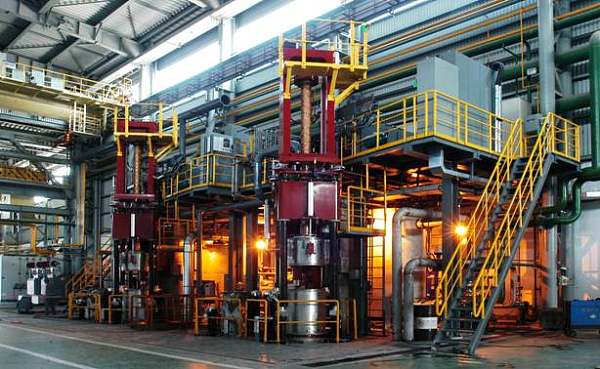
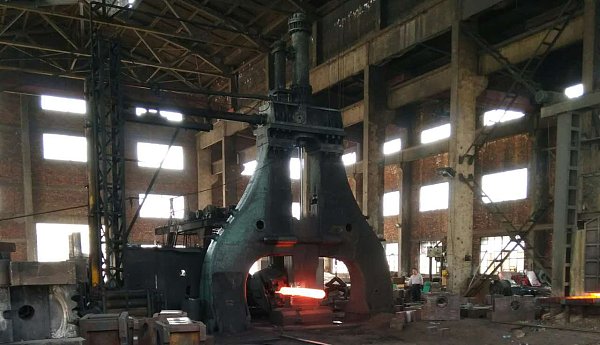
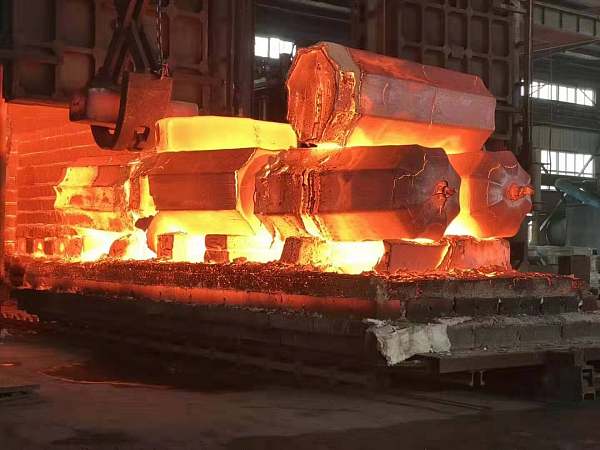
◉ Factory Show
◉ MESSAGE
◉ SIMILAR RECOMMENDED
/ Supermendur /1J22/ Permendur/49КФ/AFK502/Co50V2") Hiperco 50 (1J22)/ Supermendur /1J22/ Permendur/49КФ/AFK502/Co50V2
Hiperco 50 (1J22)/ Supermendur /1J22/ Permendur/49КФ/AFK502/Co50V2/ Supermendur /1J22/ Permendur/49КФ/AFK502/Co50V2-1 Tube Pipe") Hiperco 50 Tube Pipe (1J22)/ Supermendur /1J22/ Permendur/49КФ/AFK502/Co50V2-1 Tube Pipe
Hiperco 50 Tube Pipe (1J22)/ Supermendur /1J22/ Permendur/49КФ/AFK502/Co50V2-1 Tube Pipe/ Supermendur /1J22/ Permendur/49КФ/AFK502/Co50V2-1 Bar Rod") Hiperco 50 Bar Rod (1J22)/ Supermendur /1J22/ Permendur/49КФ/AFK502/Co50V2-1 Bar Rod
Hiperco 50 Bar Rod (1J22)/ Supermendur /1J22/ Permendur/49КФ/AFK502/Co50V2-1 Bar Rod/Russia 50H/1J50 Strip Ring") NiFe Alloy 50 Strip Ring (1J50)/Russia 50H/1J50 Strip Ring
NiFe Alloy 50 Strip Ring (1J50)/Russia 50H/1J50 Strip Ring/Russia 50H/1J50 Tube Pipe") NiFe Alloy 50 Tube Pipe (1J50)/Russia 50H/1J50 Tube Pipe
NiFe Alloy 50 Tube Pipe (1J50)/Russia 50H/1J50 Tube Pipe/Russia 50H/1J50 Bar Rod") NiFe Alloy 50 Bar Rod (1J50)/Russia 50H/1J50 Bar Rod
NiFe Alloy 50 Bar Rod (1J50)/Russia 50H/1J50 Bar Rod/Russia 50H/1J50 Sheet Plate") NiFe Alloy 50 Sheet Plate (1J50)/Russia 50H/1J50 Sheet Plate
NiFe Alloy 50 Sheet Plate (1J50)/Russia 50H/1J50 Sheet Plate Su Permalloy 1J85 /UNS N14080,GB/T 32286.1-2015 Bar Tube Pipe Wire
 Su Permalloy 1J85 Tube Pipe /UNS N14080,GB/T 32286.1-2015 Tube Pipe
 Su Permalloy 1J85 Sheet Pipe /UNS N14080,GB/T 32286.1-2015 Sheet Pipe
 Su Permalloy 1J85 Bar Rod /UNS N14080 GB/T 32286.1-2015 Bar Rod
 Wire Strip /UNS N14080,GB/T 32286.1-2015 Wire Strip") Permalloy Alloy 80(1J79) Wire Strip /UNS N14080,GB/T 32286.1-2015 Wire Strip
Permalloy Alloy 80(1J79) Wire Strip /UNS N14080,GB/T 32286.1-2015 Wire Strip Tube Pipe /UNS N14080,GB/T 32286.1-2015 Tube Pipe") Permalloy Alloy 80(1J79) Tube Pipe /UNS N14080,GB/T 32286.1-2015 Tube Pipe
Permalloy Alloy 80(1J79) Tube Pipe /UNS N14080,GB/T 32286.1-2015 Tube Pipe Sheet Plate /UNS N14080,GB/T 32286.1-2015 Sheet Plate") Permalloy Alloy 80(1J79) Sheet Plate /UNS N14080,GB/T 32286.1-2015 Sheet Plate
Permalloy Alloy 80(1J79) Sheet Plate /UNS N14080,GB/T 32286.1-2015 Sheet Plate Bar Rod /UNS N14080,GB/T 32286.1-2015 Bar Rod") Permalloy Alloy 80(1J79) Bar Rod /UNS N14080,GB/T 32286.1-2015 Bar Rod
Permalloy Alloy 80(1J79) Bar Rod /UNS N14080,GB/T 32286.1-2015 Bar Rod 4J42 Ring Strip UNS K94100 /W. Nr.1.3917 ASTM F30 precision iron-nickel alloy Ring Strip
 4J42 Tube Pipe UNS K94100 /W. Nr.1.3917 ASTM F30 precision iron-nickel alloy Tube Pipe
 4J42 Bar Rod UNS K94100 /W. Nr.1.3917 ASTM F30 precision iron-nickel alloy Bar Rod
 4J42 UNS K94100 /W. Nr.1.3917 ASTM F30 precision iron-nickel alloy
 Super Invar 32-5/4J32/K93500/Super Invar Tube Bar Rod Sheet
 Super Invar 32-5 Sheet Plate 4J32/K93500/Super Invar Sheet Plate
Thank you very much for writing to us. Please leave your message and contact information, we will reply to you within 24 hours.