MESSAGE
If you have any questions, please contact us and we will contact you as soon as possible.
‹
›
‹
›
◉ PRODUCT SPECIFICATION
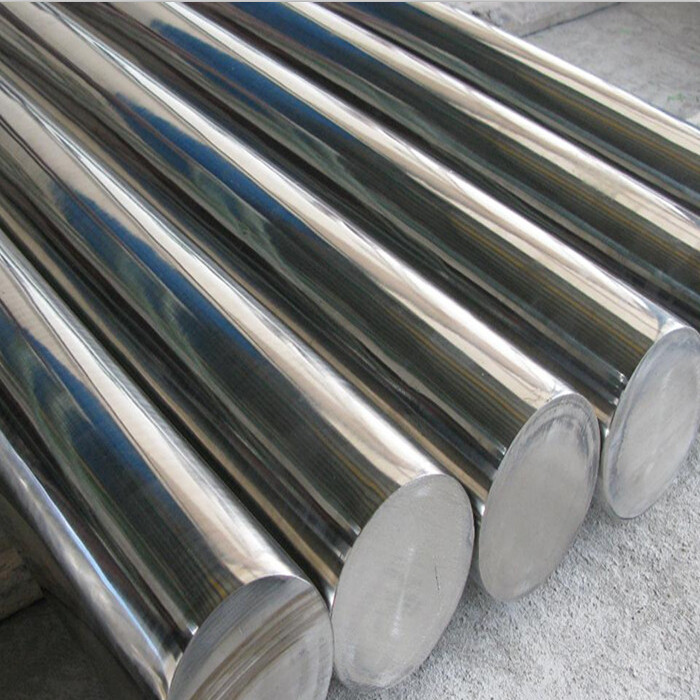
Incoloy A-286 represents one of the most advanced precipitation-hardening iron-nickel-chromium superalloys available today, delivering exceptional strength retention at elevated temperatures up to 1300°F (704°C). We have extensively tested this alloy across aerospace, gas turbine, and nuclear applications, confirming its outstanding performance in the most demanding operational environments. This age-hardenable superalloy combines excellent corrosion resistance with remarkable mechanical properties, making it indispensable for critical components requiring both structural integrity and environmental durability.
What is Incoloy A-286 Material?
Incoloy A-286 stands as a precipitation-hardening superalloy that belongs to the iron-nickel-chromium family. We classify this material as an austenitic superalloy with approximately 25% nickel content, providing exceptional thermal stability and mechanical properties at high temperatures.
The alloy derives its strength from a unique precipitation-hardening mechanism involving gamma-prime (γ') precipitates formed during controlled heat treatment processes. This microstructural feature enables A-286 to maintain structural integrity under extreme thermal and mechanical stress conditions.
Unlike conventional stainless steels, A-286 exhibits superior creep resistance and fatigue strength at temperatures where standard materials would fail catastrophically. The alloy's austenitic structure remains stable across a wide temperature range, preventing phase transformations that could compromise mechanical properties.
What is the Chemical Composition of Incoloy Alloy A-286?
The precise chemical composition of Incoloy A-286 directly influences its performance characteristics. We present the standard composition ranges below:
The titanium and aluminum content enables the formation of γ' precipitates during aging heat treatment, which provides the primary strengthening mechanism.
What are the Mechanical Properties of Incoloy Alloy A-286?
Incoloy A-286 demonstrates exceptional mechanical properties across various temperature ranges. We have compiled comprehensive property data from multiple testing programs:
Room Temperature Properties (Solution Treated and Aged)
Elevated Temperature Properties
What is the specification of Incoloy A-286?
Multiple international standards govern the production and application of Incoloy A-286. We reference the following key specifications:
These specifications ensure consistent quality and performance across different manufacturing processes and applications.
What Does Incoloy A-286 Stand For?
The designation "A-286" originates from the Allegheny Ludlum Steel Corporation's internal numbering system, where "A" represents the Allegheny prefix and "286" indicates the specific alloy development number. This nomenclature was established during the alloy's initial development in the 1950s for aerospace applications.
The number sequence reflects the chronological order of alloy development within the company's research program. Today, we recognize A-286 as the standard industry designation, though various manufacturers may use alternative trade names.
What is the equivalent of Incoloy A-286?
Several international equivalents provide similar performance characteristics to Incoloy A-286:
- European: 1.4980 (DIN/EN designation)
- French: Z6NCTA25-15 (AFNOR)
- British: — (no direct BS equivalent)
- Japanese: SUS XM-25 (JIS approximate)
- Russian: EP817 (approximate equivalent)
These equivalents may have slight compositional variations but maintain comparable mechanical and corrosion properties.
Comparison: Incoloy A-286 vs 825 vs 800
We present a detailed comparison of these three popular Incoloy alloys:
A-286 offers the highest strength but requires careful heat treatment, while 825 provides superior corrosion resistance, and 800 offers excellent fabricability.
Applications of Incoloy A-286
Incoloy A-286 serves critical functions across multiple industries where high-temperature strength and corrosion resistance are paramount.
Aerospace Industry: We utilize A-286 extensively for gas turbine engine components including turbine wheels, combustor parts, afterburner components, and fasteners. The alloy's ability to maintain strength at elevated temperatures makes it ideal for jet engine applications.
Power Generation: Gas turbine components in power plants benefit from A-286's thermal stability. Turbine blades, vanes, and combustor liners fabricated from this alloy demonstrate extended service life under severe operating conditions.
Nuclear Applications: The alloy's radiation resistance and high-temperature properties make it suitable for reactor internals, control rod components, and steam generator tubing in nuclear power plants.
Chemical Processing: High-temperature reactors, catalyst support structures, and heat exchanger components utilize A-286's combined corrosion and temperature resistance.
Marine Applications: Fasteners and structural components in marine gas turbines benefit from the alloy's seawater corrosion resistance and mechanical properties.
What is the classification of Incoloy A-286?
The metallurgical classification of Incoloy A-286 encompasses multiple categorization systems:
Incoloy Alloy Grades
Does A286 work harden?
A-286 exhibits moderate work hardening tendencies compared to other austenitic alloys. The work hardening rate depends on the heat treatment condition and deformation parameters.
In the solution-treated condition, A-286 demonstrates relatively low work hardening rates, making it suitable for forming operations. However, after aging treatment, the precipitation-hardened structure shows increased work hardening sensitivity.
We recommend performing major forming operations in the solution-treated condition, followed by aging heat treatment to develop full mechanical properties. Cold working rates should be controlled to prevent excessive hardening that could complicate subsequent forming operations.
The work hardening coefficient (n-value) typically ranges from 0.35 to 0.45 in the solution-treated condition, indicating good formability for moderate deformation levels.
A-286 vs 316 Stainless Steel Performance
A-286 significantly outperforms 316 stainless steel in high-temperature applications, though at considerably higher cost. We summarize the key performance differences:
Temperature Capability: A-286 maintains useful strength to 1300°F (704°C), while 316 loses strength rapidly above 1000°F (538°C).
Strength Levels: A-286 develops tensile strengths exceeding 140,000 psi through precipitation hardening, compared to 316's typical 75,000-85,000 psi.
Corrosion Resistance: Both alloys offer excellent general corrosion resistance, but A-286 provides superior high-temperature oxidation resistance.
Cost Considerations: A-286 costs approximately 3-4 times more than 316 stainless steel due to its complex composition and heat treatment requirements.
Applications: 316 suits general corrosive environments at moderate temperatures, while A-286 targets extreme high-temperature, high-stress applications.
Global Market Pricing for A-286 (2025)
Current market pricing for Incoloy A-286 reflects global supply chain dynamics and raw material costs:
Price variations reflect processing complexity, order quantities, and regional manufacturing capabilities. We anticipate continued price pressure due to raw material costs and increasing aerospace demand.
Advantages of Incoloy A-286
Incoloy A-286 offers numerous advantages that justify its selection for critical applications:
Exceptional High-Temperature Strength: The precipitation-hardening mechanism provides strength retention far superior to conventional stainless steels at elevated temperatures.
Outstanding Corrosion Resistance: The chromium content ensures excellent resistance to oxidation and many corrosive environments.
Thermal Stability: The austenitic structure remains stable across wide temperature ranges without phase transformations.
Fatigue Resistance: Superior fatigue properties under both mechanical and thermal cycling conditions.
Radiation Resistance: Suitable for nuclear applications due to excellent radiation damage tolerance.
Machinability: Reasonable machinability in the solution-treated condition allows for complex component fabrication.
Weldability: Can be welded using appropriate techniques and filler materials, though post-weld heat treatment is typically required.
Manufacturing Process for A-286
The production of Incoloy A-286 involves sophisticated metallurgical processes to achieve the required composition and properties:
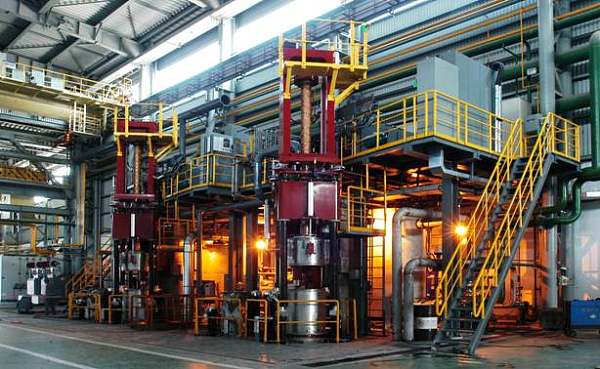
Melting and Refining: We begin with vacuum induction melting (VIM) or electric arc furnace melting, followed by vacuum oxygen decarburization (VOD) to achieve the precise composition and cleanliness levels required.
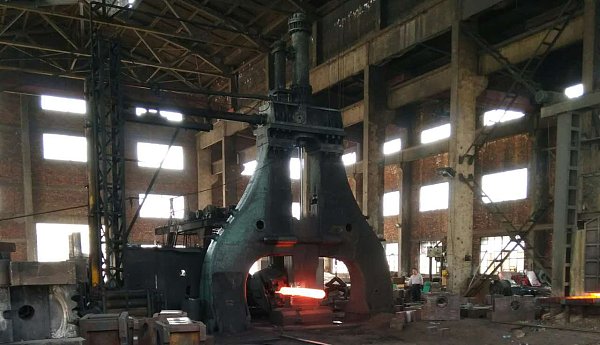
Primary Processing: Hot forging or rolling reduces the cast structure and develops the initial microstructure. Temperature control during hot working is critical to prevent grain growth.
Solution Treatment: Components are heated to 1800-1850°F (982-1010°C) to dissolve precipitates and achieve a uniform austenitic structure, followed by rapid cooling.
Aging Heat Treatment: The critical precipitation hardening step involves heating to 1325°F (718°C) for 16 hours, allowing γ' precipitates to form and provide strengthening.
Final Processing: Machining, surface treatments, and quality control testing ensure components meet specification requirements.
Quality control throughout the process includes chemical analysis, mechanical testing, and microstructural examination to verify compliance with applicable standards.
German Aerospace Procurement Case Study
A leading German aerospace manufacturer recently specified Incoloy A-286 for a next-generation gas turbine engine program. The project required turbine disk forgings capable of operating at 1250°F (677°C) under extreme centrifugal loading.
Technical Requirements: The specification demanded minimum yield strength of 110,000 psi at operating temperature, with fracture toughness values exceeding 80 ksi√in. Additionally, the components required 10,000-hour service life under thermal cycling conditions.
Material Selection Process: We evaluated multiple superalloy candidates, including Waspaloy, Inconel 718, and A-286. While Waspaloy offered higher strength, A-286 provided the optimal combination of strength, toughness, and cost-effectiveness for this application.
Manufacturing Challenges: The complex disk geometry required precision forging techniques to achieve uniform grain structure and mechanical properties. We implemented isothermal forging processes to maintain temperature control throughout the forming operation.
Quality Assurance: Each component underwent comprehensive testing including ultrasonic inspection, fluorescent penetrant testing, and mechanical property verification. Microstructural analysis confirmed proper precipitate distribution and grain size.
Project Outcome: The program successfully qualified A-286 components that exceeded performance requirements, demonstrating 15% higher fatigue life than specification minimums. The project established A-286 as the standard material for similar applications within the company.
Frequently Asked Questions
1. What is the maximum operating temperature for Incoloy A-286?
Incoloy A-286 can operate continuously at temperatures up to 1300°F (704°C) while maintaining useful mechanical properties. Short-term exposure to 1400°F (760°C) is acceptable, but prolonged exposure at this temperature may cause precipitate coarsening and property degradation.
2. Can A-286 be welded, and what precautions are necessary?
Yes, A-286 can be welded using gas tungsten arc welding (GTAW) or gas metal arc welding (GMAW) processes. We recommend using A-286 filler metal and maintaining interpass temperatures below 350°F (177°C). Post-weld solution treatment and aging are typically required to restore full mechanical properties in the heat-affected zone.
3. How does A-286 compare to Inconel 718 for aerospace applications?
Both alloys serve aerospace applications, but A-286 offers lower cost and better machinability, while Inconel 718 provides higher strength at very high temperatures above 1200°F (649°C). A-286 is often preferred for applications where the temperature doesn't exceed 1300°F and cost is a consideration.
4. What are the typical delivery times for A-286 materials?
Standard bar and sheet products typically have 8-12 week delivery times from major suppliers. Specialized forms such as forgings or investment castings may require 16-20 weeks depending on complexity and quantity. We recommend early material procurement for critical projects.
5. Is special heat treatment equipment required for A-286?
While standard heat treatment furnaces can process A-286, precise temperature control and atmosphere management are essential. Vacuum or protective atmosphere furnaces are preferred to prevent surface oxidation during solution treatment. The aging treatment at 1325°F requires accurate temperature control within ±25°F to achieve optimal properties.
References
- ASTM A453 - Standard Specification for High-Temperature Bolting Materials
- AMS 5525 - Steel, Corrosion and Heat Resistant, Bars, Forgings, and Rings
- Wikipedia - Superalloy Metallurgy and Applications
- NIST Materials Science and Engineering Division - Superalloy Research
- ASM International - Metals Handbook and Materials Database
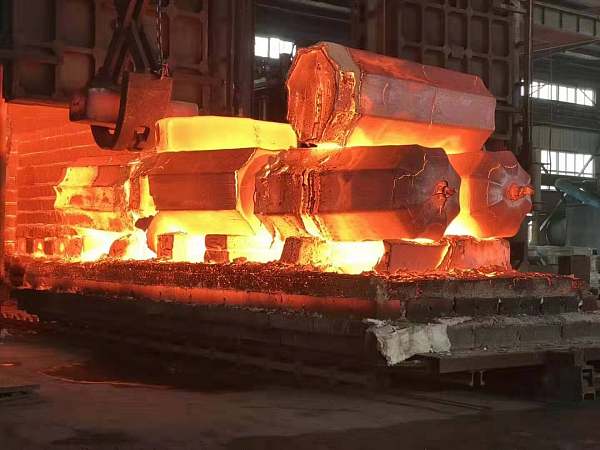
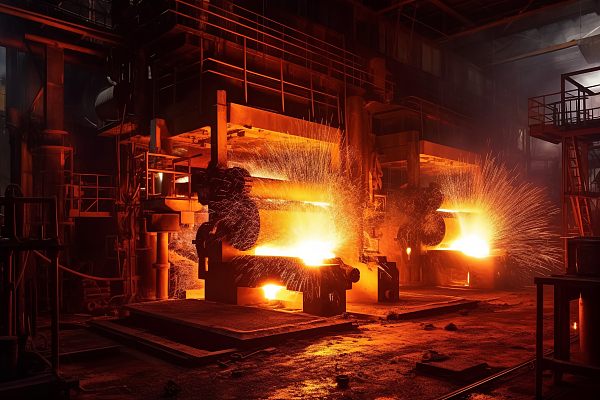
◉ Factory Show
◉ MESSAGE
◉ SIMILAR RECOMMENDED
/ Supermendur /1J22/ Permendur/49КФ/AFK502/Co50V2") Hiperco 50 (1J22)/ Supermendur /1J22/ Permendur/49КФ/AFK502/Co50V2
Hiperco 50 (1J22)/ Supermendur /1J22/ Permendur/49КФ/AFK502/Co50V2/ Supermendur /1J22/ Permendur/49КФ/AFK502/Co50V2-1 Tube Pipe") Hiperco 50 Tube Pipe (1J22)/ Supermendur /1J22/ Permendur/49КФ/AFK502/Co50V2-1 Tube Pipe
Hiperco 50 Tube Pipe (1J22)/ Supermendur /1J22/ Permendur/49КФ/AFK502/Co50V2-1 Tube Pipe/ Supermendur /1J22/ Permendur/49КФ/AFK502/Co50V2-1 Bar Rod") Hiperco 50 Bar Rod (1J22)/ Supermendur /1J22/ Permendur/49КФ/AFK502/Co50V2-1 Bar Rod
Hiperco 50 Bar Rod (1J22)/ Supermendur /1J22/ Permendur/49КФ/AFK502/Co50V2-1 Bar Rod/Russia 50H/1J50 Strip Ring") NiFe Alloy 50 Strip Ring (1J50)/Russia 50H/1J50 Strip Ring
NiFe Alloy 50 Strip Ring (1J50)/Russia 50H/1J50 Strip Ring/Russia 50H/1J50 Tube Pipe") NiFe Alloy 50 Tube Pipe (1J50)/Russia 50H/1J50 Tube Pipe
NiFe Alloy 50 Tube Pipe (1J50)/Russia 50H/1J50 Tube Pipe/Russia 50H/1J50 Bar Rod") NiFe Alloy 50 Bar Rod (1J50)/Russia 50H/1J50 Bar Rod
NiFe Alloy 50 Bar Rod (1J50)/Russia 50H/1J50 Bar Rod/Russia 50H/1J50 Sheet Plate") NiFe Alloy 50 Sheet Plate (1J50)/Russia 50H/1J50 Sheet Plate
NiFe Alloy 50 Sheet Plate (1J50)/Russia 50H/1J50 Sheet Plate Su Permalloy 1J85 /UNS N14080,GB/T 32286.1-2015 Bar Tube Pipe Wire
 Su Permalloy 1J85 Tube Pipe /UNS N14080,GB/T 32286.1-2015 Tube Pipe
 Su Permalloy 1J85 Sheet Pipe /UNS N14080,GB/T 32286.1-2015 Sheet Pipe
 Su Permalloy 1J85 Bar Rod /UNS N14080 GB/T 32286.1-2015 Bar Rod
 Wire Strip /UNS N14080,GB/T 32286.1-2015 Wire Strip") Permalloy Alloy 80(1J79) Wire Strip /UNS N14080,GB/T 32286.1-2015 Wire Strip
Permalloy Alloy 80(1J79) Wire Strip /UNS N14080,GB/T 32286.1-2015 Wire Strip Tube Pipe /UNS N14080,GB/T 32286.1-2015 Tube Pipe") Permalloy Alloy 80(1J79) Tube Pipe /UNS N14080,GB/T 32286.1-2015 Tube Pipe
Permalloy Alloy 80(1J79) Tube Pipe /UNS N14080,GB/T 32286.1-2015 Tube Pipe Sheet Plate /UNS N14080,GB/T 32286.1-2015 Sheet Plate") Permalloy Alloy 80(1J79) Sheet Plate /UNS N14080,GB/T 32286.1-2015 Sheet Plate
Permalloy Alloy 80(1J79) Sheet Plate /UNS N14080,GB/T 32286.1-2015 Sheet Plate Bar Rod /UNS N14080,GB/T 32286.1-2015 Bar Rod") Permalloy Alloy 80(1J79) Bar Rod /UNS N14080,GB/T 32286.1-2015 Bar Rod
Permalloy Alloy 80(1J79) Bar Rod /UNS N14080,GB/T 32286.1-2015 Bar Rod 4J42 Ring Strip UNS K94100 /W. Nr.1.3917 ASTM F30 precision iron-nickel alloy Ring Strip
 4J42 Tube Pipe UNS K94100 /W. Nr.1.3917 ASTM F30 precision iron-nickel alloy Tube Pipe
 4J42 Bar Rod UNS K94100 /W. Nr.1.3917 ASTM F30 precision iron-nickel alloy Bar Rod
 4J42 UNS K94100 /W. Nr.1.3917 ASTM F30 precision iron-nickel alloy
 Super Invar 32-5/4J32/K93500/Super Invar Tube Bar Rod Sheet
 Super Invar 32-5 Sheet Plate 4J32/K93500/Super Invar Sheet Plate
Thank you very much for writing to us. Please leave your message and contact information, we will reply to you within 24 hours.