MESSAGE
If you have any questions, please contact us and we will contact you as soon as possible.
‹
›
‹
›
◉ PRODUCT SPECIFICATION
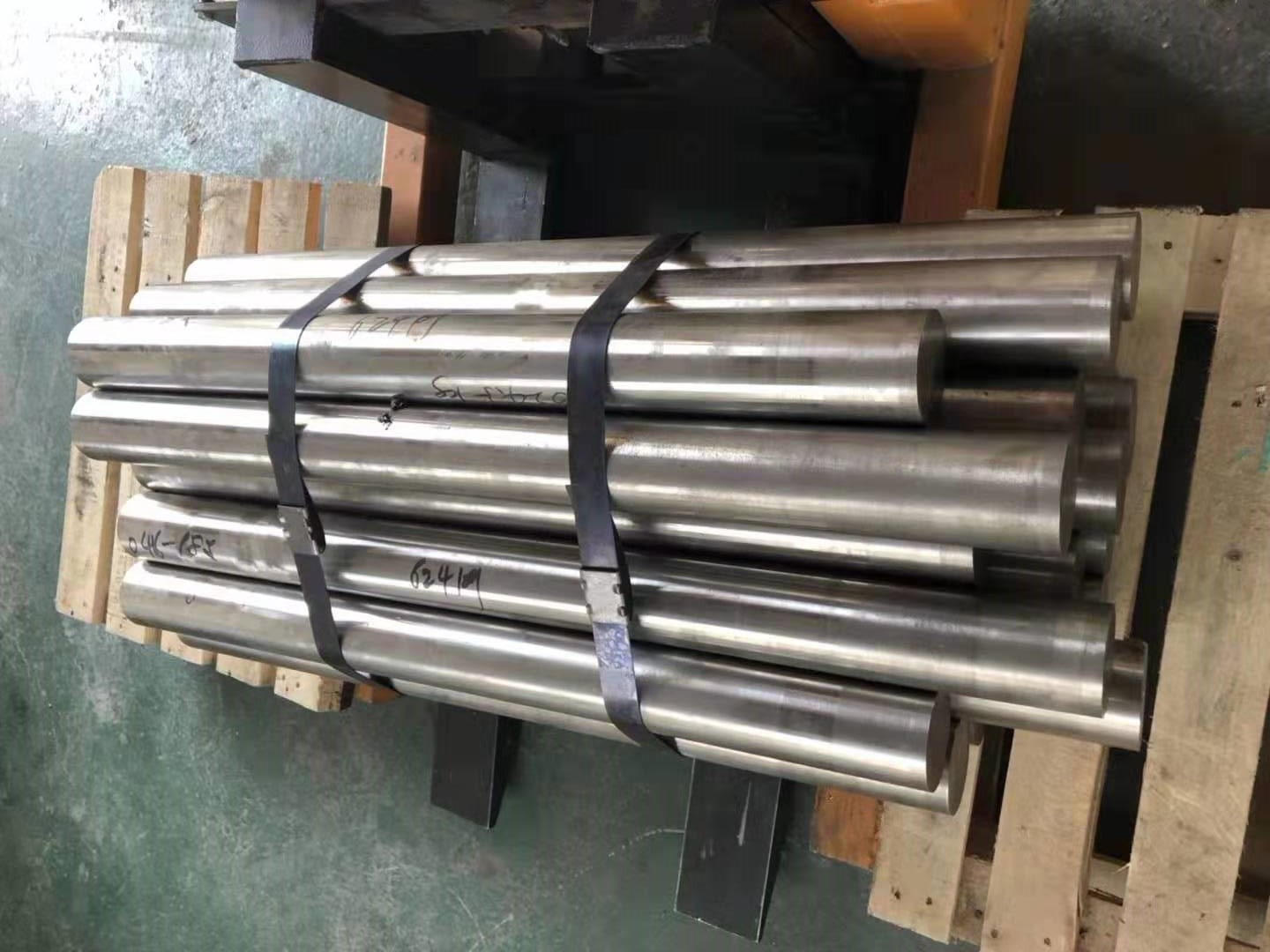
Incoloy Alloy 925 represents one of the most sophisticated age-hardenable nickel-iron-chromium superalloys available in today's industrial landscape. We have witnessed this remarkable material deliver exceptional performance across demanding applications, from deepwater oil extraction to aerospace components. Its unique combination of high strength, outstanding corrosion resistance, and superior metallurgical stability makes it an indispensable choice for engineers tackling extreme environments.
What is Incoloy Alloy 925?
Incoloy® Alloy 925 (UNS N09925) is a precipitation-hardenable nickel-iron-chromium superalloy engineered to combine very high strength with outstanding resistance to general, pitting and stress-corrosion attack in both oxidizing and reducing environments. Originally developed for demanding oil-field and chemical-processing service, it finds broad use wherever a balanced combination of mechanical performance and corrosion resistance is required
The alloy was specifically developed to address the limitations of conventional stainless steels in high-stress, corrosive environments. Through our extensive experience, we have observed that Alloy 925 maintains its structural integrity at temperatures reaching 593°C (1100°F) while exhibiting remarkable resistance to stress corrosion cracking.
This superalloy demonstrates exceptional performance in chloride-containing environments, making it particularly valuable for marine applications. The material's unique microstructure, enhanced through titanium and aluminum additions, provides the foundation for its outstanding mechanical characteristics.
What is the Chemical Composition of Incoloy Alloy 925?
The chemical composition of Incoloy Alloy 925 follows strict specifications to ensure consistent performance characteristics. We present the standard composition ranges below:
The precise balance of these elements creates the metallurgical foundation that enables Alloy 925's exceptional performance in challenging service conditions.
What are the Mechanical Properties of Incoloy Alloy 925?
We have compiled comprehensive mechanical property data based on standard testing procedures and real-world applications:
These properties result from the age-hardening heat treatment that precipitates strengthening phases throughout the alloy matrix.
What is the Specification of Incoloy Alloy 925?
Incoloy Alloy 925 conforms to multiple international specifications and standards. We have documented the primary specifications governing this material:
Each specification defines specific requirements for chemical composition, mechanical properties, heat treatment, and testing procedures.
What does Incoloy Alloy 925 Stand For?
The designation "Incoloy Alloy 925" carries specific metallurgical significance. The term "Incoloy" represents Special Metals Corporation's trademarked family of nickel-iron-chromium alloys, distinguishing them from the purely nickel-based "Inconel" series.
The numerical designation "925" originally referenced the alloy's development sequence within the manufacturer's product line. However, this number has become synonymous with the specific composition and property profile that defines this material.
We recognize that various manufacturers produce equivalent alloys under different trade names, but the 925 designation has achieved widespread acceptance as the industry standard reference for this particular composition.
What is the Equivalent of Incoloy Alloy 925?
Several manufacturers produce materials chemically and mechanically equivalent to Incoloy Alloy 925. We have identified the following equivalent designations:
- UNS N09925: Universal designation recognized globally
- Inconel 925: Alternative trade name for similar composition
- Nicrofer 2520: European equivalent designation
- Alloy 925: Generic industry reference
- NA 25: Japanese Industrial Standard equivalent
These equivalents maintain substantially similar chemical compositions and mechanical properties, though minor variations may exist between different producers' specifications.
What is the Difference Between Incoloy Alloy 925, 800, and 825?
We have prepared a comprehensive comparison highlighting the key differences between these three important Incoloy alloys:
Alloy 925 offers superior strength through age hardening, while 800 provides excellent high-temperature oxidation resistance, and 825 balances corrosion resistance with moderate strength.
What is Incoloy Alloy 925 Used For?
Through our extensive market analysis, we have identified numerous critical applications where Incoloy Alloy 925 provides irreplaceable performance:
Oil and Gas Industry: Subsea wellhead components, downhole tools, valve trim, and pressure-containing equipment operating in sour service environments.
Marine Applications: Propeller shafts, fasteners, and structural components exposed to seawater and marine atmospheres.
Aerospace Sector: Landing gear components, engine mounts, and structural fasteners requiring high strength-to-weight ratios.
Chemical Processing: Reactor vessels, heat exchangers, and piping systems handling corrosive media at elevated temperatures.
Power Generation: Steam turbine components, superheater tubing, and boiler applications in both conventional and nuclear facilities.
Pulp and Paper Industry: Digester components, bleaching equipment, and process vessels exposed to chloride environments.
The alloy's unique combination of properties makes it particularly valuable where conventional materials fail to meet simultaneous strength and corrosion resistance requirements.
What is the Classification of Incoloy Alloy 925?
We classify Incoloy Alloy 925 according to multiple metallurgical and industrial standards:
This multi-faceted classification system helps engineers select appropriate materials for specific service conditions.
What are Incoloy Alloy Grades?
The Incoloy family encompasses numerous grades, each designed for specific service conditions. We present the major grades and their characteristics:
Each grade represents evolutionary development targeting specific performance requirements in industrial applications.
Incoloy Alloy 925 Global Market Pricing 2025
We have compiled current global market pricing data for Incoloy Alloy 925 across major markets:
Note: Prices vary significantly based on product form, quantity, specification requirements, and market conditions. Premium pricing applies for specialized forms and certifications.
Incoloy Alloy 925 Advantages
We have identified multiple advantages that distinguish Incoloy Alloy 925 from competing materials:
Superior Strength-to-Weight Ratio: The age-hardening capability delivers exceptional strength while maintaining reasonable density, critical for aerospace and marine applications.
Outstanding Corrosion Resistance: Excellent performance in chloride environments, sour gas conditions, and seawater applications where conventional stainless steels fail.
Metallurgical Stability: Maintains microstructural integrity through multiple thermal cycles and extended high-temperature exposure.
Fabrication Versatility: Can be machined, welded, and formed using conventional techniques, though specialized procedures optimize results.
Wide Temperature Range: Effective performance from cryogenic temperatures to 593°C, providing operational flexibility.
Long-term Reliability: Proven service life exceeding 20 years in demanding offshore and chemical processing environments.
Manufacturing Process
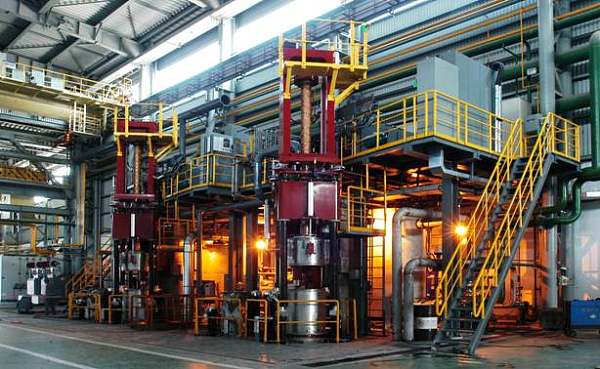
The production of Incoloy Alloy 925 involves sophisticated metallurgical processes that we have refined through decades of experience:
Primary Melting: Vacuum induction melting ensures precise chemistry control and eliminates harmful inclusions that could compromise mechanical properties.
Secondary Refining: Electroslag remelting or vacuum arc remelting further purifies the material and homogenizes the chemical composition throughout the ingot.
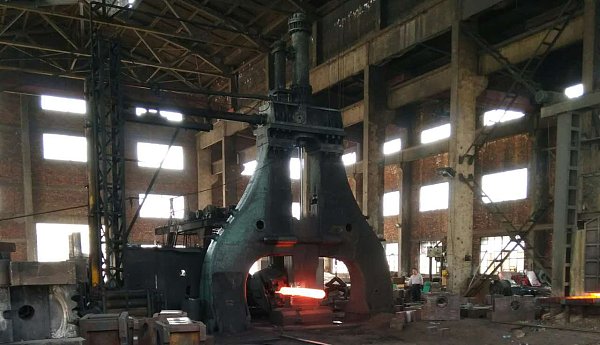
Hot Working: Controlled forging or rolling at temperatures between 1000-1200°C shapes the material while maintaining optimal grain structure.
Solution Annealing: Heat treatment at 954°C followed by rapid cooling dissolves strengthening elements into solid solution, preparing the alloy for subsequent age hardening.
Age Hardening: Precise temperature control at 718°C for specified time periods precipitates strengthening phases (γ' and γ'') throughout the matrix.
Quality Control: Comprehensive testing including chemical analysis, mechanical property verification, and non-destructive examination ensures specification compliance.
Italian Procurement Case Study
We recently supported a major Italian petrochemical facility in selecting and procuring Incoloy Alloy 925 components for a critical reactor upgrade project.
Project Background: The facility required replacement of corroded reactor internals in a high-pressure vessel processing chlorinated hydrocarbons at 450°C.
Technical Challenge: Previous stainless steel components failed due to stress corrosion cracking within 18 months, causing significant production losses.
Material Selection: Our metallurgical analysis identified Incoloy Alloy 925 as the optimal solution, providing necessary strength and corrosion resistance.
Procurement Strategy: We coordinated with certified European suppliers to source 15 metric tons of age-hardened plate and bar stock meeting ASTM B865 specifications.
Results: The upgraded reactor has operated continuously for over 36 months without corrosion-related issues, validating our material recommendation and demonstrating significant cost savings compared to frequent replacements.
Lessons Learned: Proper material selection based on comprehensive service condition analysis provides substantial long-term economic benefits despite higher initial investment.
Frequently Asked Questions
1: Can Incoloy Alloy 925 be welded, and what precautions are necessary?
Yes, Incoloy Alloy 925 can be welded using conventional techniques, though specific procedures optimize results. We recommend pre-heating to 150-200°C, using matching filler metals (ERNiCrMo-13), and maintaining interpass temperatures below 200°C. Post-weld age hardening treatment restores full mechanical properties. Proper shielding gas composition and controlled cooling rates prevent cracking and ensure optimal weld quality.
2: How does the age hardening treatment affect the material's properties?
Age hardening dramatically increases strength and hardness while slightly reducing ductility. The treatment precipitates γ' (Ni3[Al,Ti]) and γ'' (Ni3Nb) phases that impede dislocation movement. Tensile strength increases from approximately 690 MPa in the solution-annealed condition to over 1034 MPa after proper aging. We typically age at 718°C for 8 hours to achieve optimal property balance.
3: What are the limitations of Incoloy Alloy 925 in high-temperature applications?
While excellent for intermediate temperatures, Alloy 925 faces limitations above 593°C where precipitate phases become unstable. Extended exposure above this temperature causes overaging, reducing strength and potentially causing embrittlement. For applications requiring sustained temperatures above 600°C, we recommend alternative alloys like Incoloy 800H or Inconel 718 depending on specific service requirements.
4: How does Incoloy Alloy 925 compare to duplex stainless steels in corrosion resistance?
Incoloy 925 generally provides superior corrosion resistance in chloride-containing environments due to its higher nickel content and specialized chemistry. While duplex steels offer excellent strength-to-cost ratios, they are more susceptible to pitting and crevice corrosion in seawater applications. However, duplex steels may be preferred for structural applications where cost considerations outweigh the enhanced corrosion resistance of superalloys.
5: What quality certifications should be specified when procuring Incoloy Alloy 925?
We recommend requiring Mill Test Certificates (MTC) per EN 10204 3.1 standard, chemical analysis verification, mechanical property testing, and non-destructive examination when appropriate. For critical applications, third-party verification and NACE MR0175/ISO 15156 compliance certification ensure material suitability for sour service conditions. Traceability documentation should accompany all material shipments to maintain quality assurance throughout the supply chain.
References
- ASTM International - ASTM B564 Standard Specification for Nickel Alloy Forgings
- NACE International - Materials Standards for Corrosive Environments
- American Petroleum Institute - API 6A Wellhead and Christmas Tree Equipment Standards
- International Organization for Standardization - ISO 15156 Materials for Petroleum Industry
◉ Factory Show
◉ MESSAGE
◉ SIMILAR RECOMMENDED
/ Supermendur /1J22/ Permendur/49КФ/AFK502/Co50V2") Hiperco 50 (1J22)/ Supermendur /1J22/ Permendur/49КФ/AFK502/Co50V2
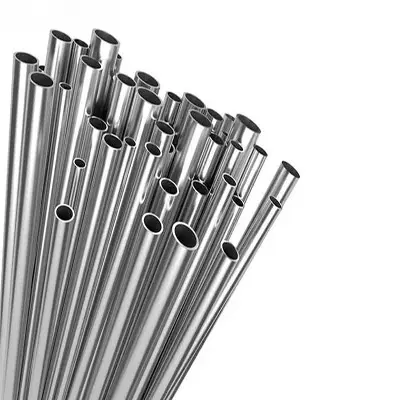
Hiperco 50 (1J22)/ Supermendur /1J22/ Permendur/49КФ/AFK502/Co50V2/ Supermendur /1J22/ Permendur/49КФ/AFK502/Co50V2-1 Tube Pipe") Hiperco 50 Tube Pipe (1J22)/ Supermendur /1J22/ Permendur/49КФ/AFK502/Co50V2-1 Tube Pipe
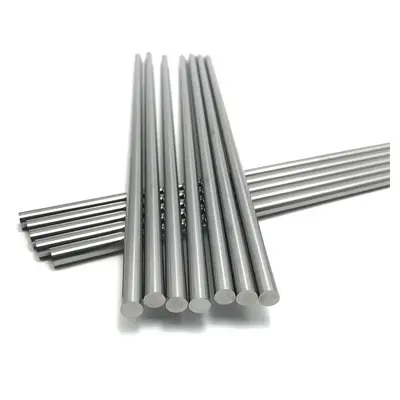
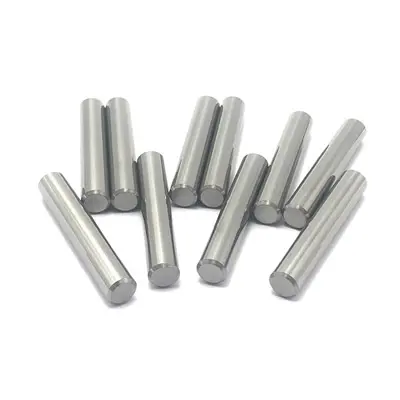
Hiperco 50 Tube Pipe (1J22)/ Supermendur /1J22/ Permendur/49КФ/AFK502/Co50V2-1 Tube Pipe/ Supermendur /1J22/ Permendur/49КФ/AFK502/Co50V2-1 Bar Rod") Hiperco 50 Bar Rod (1J22)/ Supermendur /1J22/ Permendur/49КФ/AFK502/Co50V2-1 Bar Rod
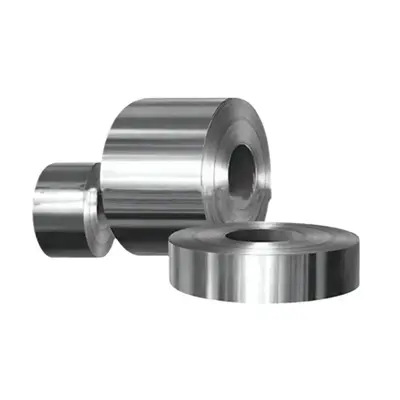
Hiperco 50 Bar Rod (1J22)/ Supermendur /1J22/ Permendur/49КФ/AFK502/Co50V2-1 Bar Rod/Russia 50H/1J50 Strip Ring") NiFe Alloy 50 Strip Ring (1J50)/Russia 50H/1J50 Strip Ring
NiFe Alloy 50 Strip Ring (1J50)/Russia 50H/1J50 Strip Ring/Russia 50H/1J50 Tube Pipe") NiFe Alloy 50 Tube Pipe (1J50)/Russia 50H/1J50 Tube Pipe
NiFe Alloy 50 Tube Pipe (1J50)/Russia 50H/1J50 Tube Pipe/Russia 50H/1J50 Bar Rod") NiFe Alloy 50 Bar Rod (1J50)/Russia 50H/1J50 Bar Rod
NiFe Alloy 50 Bar Rod (1J50)/Russia 50H/1J50 Bar Rod/Russia 50H/1J50 Sheet Plate") NiFe Alloy 50 Sheet Plate (1J50)/Russia 50H/1J50 Sheet Plate
NiFe Alloy 50 Sheet Plate (1J50)/Russia 50H/1J50 Sheet Plate Su Permalloy 1J85 /UNS N14080,GB/T 32286.1-2015 Bar Tube Pipe Wire
 Su Permalloy 1J85 Tube Pipe /UNS N14080,GB/T 32286.1-2015 Tube Pipe
 Su Permalloy 1J85 Sheet Pipe /UNS N14080,GB/T 32286.1-2015 Sheet Pipe
 Su Permalloy 1J85 Bar Rod /UNS N14080 GB/T 32286.1-2015 Bar Rod
 Wire Strip /UNS N14080,GB/T 32286.1-2015 Wire Strip") Permalloy Alloy 80(1J79) Wire Strip /UNS N14080,GB/T 32286.1-2015 Wire Strip
Permalloy Alloy 80(1J79) Wire Strip /UNS N14080,GB/T 32286.1-2015 Wire Strip Tube Pipe /UNS N14080,GB/T 32286.1-2015 Tube Pipe") Permalloy Alloy 80(1J79) Tube Pipe /UNS N14080,GB/T 32286.1-2015 Tube Pipe
Permalloy Alloy 80(1J79) Tube Pipe /UNS N14080,GB/T 32286.1-2015 Tube Pipe Sheet Plate /UNS N14080,GB/T 32286.1-2015 Sheet Plate") Permalloy Alloy 80(1J79) Sheet Plate /UNS N14080,GB/T 32286.1-2015 Sheet Plate
Permalloy Alloy 80(1J79) Sheet Plate /UNS N14080,GB/T 32286.1-2015 Sheet Plate Bar Rod /UNS N14080,GB/T 32286.1-2015 Bar Rod") Permalloy Alloy 80(1J79) Bar Rod /UNS N14080,GB/T 32286.1-2015 Bar Rod
Permalloy Alloy 80(1J79) Bar Rod /UNS N14080,GB/T 32286.1-2015 Bar Rod 4J42 Ring Strip UNS K94100 /W. Nr.1.3917 ASTM F30 precision iron-nickel alloy Ring Strip
 4J42 Tube Pipe UNS K94100 /W. Nr.1.3917 ASTM F30 precision iron-nickel alloy Tube Pipe
 4J42 Bar Rod UNS K94100 /W. Nr.1.3917 ASTM F30 precision iron-nickel alloy Bar Rod
 4J42 UNS K94100 /W. Nr.1.3917 ASTM F30 precision iron-nickel alloy
 Super Invar 32-5/4J32/K93500/Super Invar Tube Bar Rod Sheet
 Super Invar 32-5 Sheet Plate 4J32/K93500/Super Invar Sheet Plate
Thank you very much for writing to us. Please leave your message and contact information, we will reply to you within 24 hours.