MESSAGE
If you have any questions, please contact us and we will contact you as soon as possible.
‹
›
‹
›
◉ PRODUCT SPECIFICATION
Incoloy Alloy 800HT stands as the premier solution-annealed austenitic superalloy, specifically engineered to withstand extreme temperatures up to 1200°C (2200°F) while maintaining exceptional resistance to oxidation, carburization, and sulfidation. This remarkable nickel-iron-chromium alloy has revolutionized high-temperature applications across petrochemical, power generation, and heat treatment industries since its development, offering unmatched performance where conventional stainless steels fail.
What is Incoloy Alloy 800HT?
Incoloy Alloy 800HT represents the heat treatment variant of the renowned 800 series, featuring enhanced mechanical properties through controlled carbide precipitation during solution annealing. This austenitic superalloy contains approximately 30-35% nickel, 19-23% chromium, and balance iron, creating a microstructure that delivers superior creep resistance and thermal stability.
The alloy's unique metallurgical structure enables it to maintain structural integrity under prolonged exposure to elevated temperatures, making it indispensable for applications requiring long-term reliability. Unlike standard austenitic stainless steels, 800HT exhibits minimal thermal expansion and exceptional dimensional stability throughout its service temperature range.
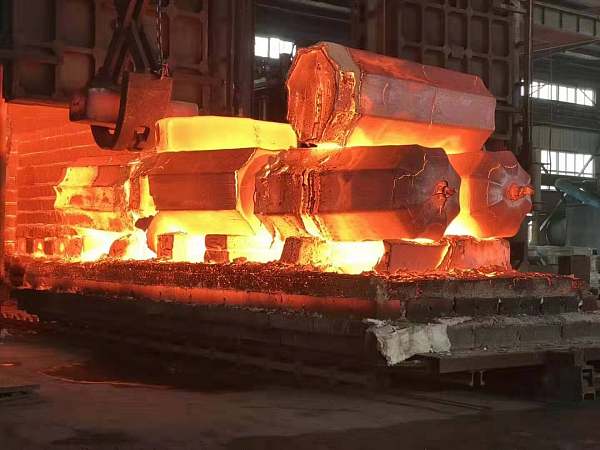
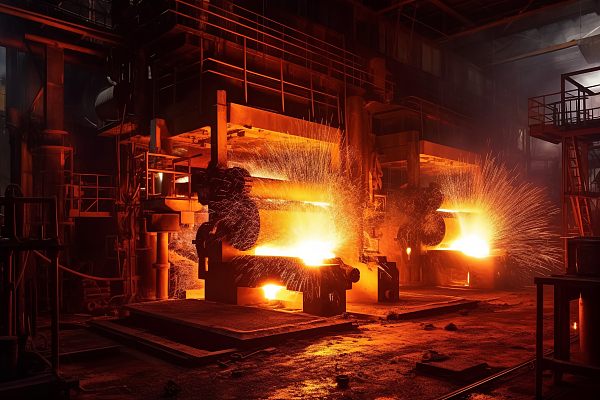
Manufacturing processes for 800HT involve precision melting techniques, followed by hot working and controlled heat treatment cycles. The solution annealing process, typically performed at temperatures between 1150-1180°C, optimizes the carbide distribution and grain structure for enhanced high-temperature performance.
What is the Chemical Composition of Incoloy Alloy 800HT?
The carefully balanced composition ensures optimal performance characteristics. Carbon content within the specified range promotes beneficial carbide formation without compromising ductility. Aluminum and titanium additions create protective oxide scales that enhance high-temperature oxidation resistance.
Controlled impurity levels, particularly sulfur and phosphorus, prevent hot cracking during fabrication and maintain mechanical properties throughout the alloy's service life. The nickel-to-chromium ratio provides the perfect balance between austenite stability and oxidation resistance.
What are the Mechanical Properties of Incoloy Alloy 800HT?
These mechanical properties demonstrate 800HT's superior performance under demanding conditions. The combination of adequate strength and excellent ductility makes it suitable for complex forming operations and welding applications.
Creep rupture data indicates exceptional long-term stability at elevated temperatures, with minimal strength degradation over extended service periods. The relatively low thermal expansion coefficient helps minimize thermal stresses in high-temperature cycling applications.
What is the Specification of Incoloy Alloy 800HT?
International specifications ensure quality consistency across global supply chains. ASTM standards provide comprehensive testing requirements and acceptance criteria for various product forms.
Each specification addresses specific application requirements, from dimensional tolerances to mechanical property guarantees. Compliance with multiple standards enables worldwide acceptance and interchangeability.
What does Incoloy Alloy 800HT Stand For?
The designation "Incoloy Alloy 800HT" carries specific metallurgical significance within the superalloy nomenclature system. "Incoloy" represents the trademark family of nickel-iron-chromium alloys developed for high-temperature service, distinguishing them from the purely nickel-based "Inconel" series.
The number "800" indicates the approximate nickel content (30-35%) and positions it within the iron-nickel alloy category. This numerical designation has historical roots in the original development sequence of these specialized alloys.
"HT" stands for "High Temperature," specifically denoting the heat treatment condition that optimizes the alloy's microstructure for enhanced creep resistance and thermal stability. This heat treatment involves solution annealing at controlled temperatures to achieve optimal carbide precipitation and grain structure.
The complete designation therefore communicates the alloy's composition category, approximate nickel content, and optimized metallurgical condition for high-temperature applications.
What is the Equivalent of Incoloy Alloy 800HT?
Global equivalent designations facilitate international procurement and ensure material compatibility across different regional standards. The primary international equivalents include:
European designation DIN 1.4876 represents the closest equivalent, maintaining similar composition ranges and mechanical properties. French standard NF Z15 CN 32-21 provides comparable specifications for domestic applications.
Japanese JIS NCF 800HT offers equivalent performance characteristics with slightly modified composition ranges to accommodate local raw material availability. British BS HR 201 serves similar applications within the UK market.
Chinese GB GH1140 provides domestic alternatives with comparable high-temperature performance, though quality control standards may vary between manufacturers.
These equivalents maintain chemical composition within acceptable ranges while meeting regional certification requirements and industry standards.
What is the Difference Between Incoloy Alloy 800HT, 800, and 825?
These alloys serve distinct applications based on their optimized compositions. Standard 800 provides economical solutions for moderate temperature service, while 800HT extends performance to extreme temperatures through controlled heat treatment.
Alloy 825 incorporates molybdenum and copper additions for enhanced corrosion resistance in acidic environments, sacrificing some high-temperature capability for superior chemical resistance.
The selection between these variants depends on specific service conditions, with 800HT being the premium choice for sustained high-temperature operations.
What is Incoloy Alloy 800HT Used For?
Petrochemical industry applications represent the largest market segment for 800HT, particularly in ethylene production furnaces where temperatures exceed 1000°C. Steam methane reformer tubes benefit from the alloy's resistance to carburization and thermal cycling.
Power generation facilities utilize 800HT in superheater and reheater tubes, where steam temperatures reach 650°C and pressures exceed 25 MPa. The alloy's creep resistance ensures long-term structural integrity under these demanding conditions.
Heat treatment equipment manufacturers specify 800HT for furnace components, including radiant tubes, heating elements, and fixture materials. The alloy maintains dimensional stability throughout repeated thermal cycles.
Nuclear power applications include steam generator tubes and heat exchanger components, where radiation resistance and thermal stability are critical. The alloy's low neutron absorption cross-section makes it suitable for reactor environments.
Aerospace applications encompass jet engine components, particularly in afterburner sections where temperatures approach the alloy's service limits. Gas turbine combustion chambers also benefit from 800HT's high-temperature capabilities.
What is the Classification of Incoloy Alloy 800HT?
The austenitic crystal structure provides excellent ductility and formability at both ambient and elevated temperatures. Non-magnetic properties make it suitable for applications requiring magnetic neutrality.
Classification as a superalloy indicates performance capabilities beyond conventional stainless steels, particularly regarding creep resistance and high-temperature strength retention.
What are Incoloy Alloy Grades?
Each grade addresses specific performance requirements through compositional modifications or processing variations. The 800 series focuses on high-temperature oxidation resistance, while other grades target specialized applications.
Selection criteria include service temperature, corrosive environment, mechanical stress levels, and economic considerations. Higher-performance grades command premium pricing but offer extended service life in demanding applications.
Incoloy Alloy 800HT Global Market Pricing 2025
Market pricing reflects raw material costs, particularly nickel and chromium volatility. Geopolitical factors significantly impact supply chains and regional pricing disparities.
Manufacturing capacity constraints in key producing regions influence global pricing trends. Long-term contracts often provide price stability for large-volume consumers.
Quality premiums apply for certified aerospace and nuclear grades, with prices reaching $150-200/kg for specialized applications requiring extensive testing and documentation.
Incoloy Alloy 800HT Advantages
Superior oxidation resistance at temperatures exceeding 1100°C sets 800HT apart from conventional heat-resistant alloys. The protective chromium oxide scale remains stable and adherent throughout extended high-temperature exposure.
Exceptional carburization resistance prevents carbon pickup in hydrocarbon processing environments, maintaining mechanical properties and preventing embrittlement. This characteristic proves crucial in petrochemical applications.
Outstanding thermal stability minimizes microstructural changes during service, ensuring consistent mechanical properties throughout the component's operational life. Grain growth remains minimal even after thousands of operating hours.
Excellent fabricability allows complex component manufacturing through conventional metalworking processes. Hot and cold forming operations proceed without difficulty, enabling cost-effective production.
Superior weldability using standard procedures produces joints with properties matching the base metal. Post-weld heat treatment is typically unnecessary for most applications, reducing manufacturing costs.
American Procurement Case Study
A major U.S. petrochemical corporation recently completed a $12 million procurement of Incoloy 800HT for their Gulf Coast ethylene production facility expansion. The project required 450 tons of seamless tubing conforming to ASTM B409 specifications.
Technical requirements included 100% ultrasonic testing, positive material identification, and mill test certificates with extended chemical analysis. Dimensional specifications demanded +0/-0.8mm wall thickness tolerance and straightness within 0.5mm per meter.
Quality assurance protocols involved third-party inspection at the manufacturing facility, including mechanical property verification testing on production lots. Charpy impact testing at -40°C ensured adequate low-temperature toughness.
Delivery scheduling coordinated with planned maintenance shutdowns, requiring just-in-time delivery of materials in specific sequences. The supplier provided dedicated project management and real-time delivery tracking.
Cost savings of approximately $2.8 million resulted from competitive bidding among qualified suppliers, demonstrating the importance of supplier diversity in specialized alloy procurement.
Project success metrics included zero material rejections, 100% on-time delivery performance, and successful startup of the expanded production capacity within the scheduled timeframe.
The facility has reported excellent performance from the installed 800HT components, with no significant degradation observed after 18 months of continuous operation at design conditions.
Frequently Asked Questions
Q: Can Incoloy Alloy 800HT be welded without special precautions?
A: Yes, 800HT exhibits excellent weldability using standard gas tungsten arc, gas metal arc, or shielded metal arc processes. Matching filler metals such as ERNiCr-3 ensure joint properties equivalent to base metal. Preheating is unnecessary for most applications, and post-weld heat treatment is optional unless stress relief is specifically required.
Q: What is the maximum continuous operating temperature for Incoloy 800HT?
A: The alloy can operate continuously at temperatures up to 1200°C (2200°F) in oxidizing atmospheres. However, practical service temperatures often remain below 1100°C to ensure adequate creep life for structural applications. Short-term excursions to 1200°C are acceptable without permanent damage.
Q: How does Incoloy 800HT perform in reducing atmospheres?
A: Performance in reducing atmospheres is limited compared to oxidizing conditions. The protective chromium oxide scale becomes unstable below certain oxygen partial pressures, potentially leading to accelerated corrosion. Alternative alloys like Incoloy 890 may be preferred for strongly reducing environments.
Q: Is special heat treatment required after welding Incoloy 800HT?
A: Post-weld heat treatment is generally not required for most applications. However, if stress relief is needed, heating to 870-925°C followed by air cooling is recommended. This temperature range provides stress relief without compromising the alloy's optimized microstructure.
Q: What machining considerations apply to Incoloy 800HT?
A: The alloy work hardens rapidly during machining, requiring sharp tools, positive rake angles, and continuous cutting to prevent work hardening. Carbide or ceramic cutting tools provide optimal results. Adequate cooling and moderate cutting speeds help maintain tool life and surface finish quality.
Q: Can Incoloy 800HT be cold formed?
A: Yes, the alloy can be cold formed using conventional equipment, though it requires higher forming loads than austenitic stainless steels due to its higher strength. Intermediate annealing may be necessary for complex forming operations to restore ductility and prevent cracking.
Q: What inspection methods are recommended for Incoloy 800HT components?
A: Standard non-destructive testing methods including ultrasonic, eddy current, and penetrant testing are effective. Ultrasonic inspection is particularly valuable for detecting internal defects in heavy-wall components. Magnetic particle testing is not applicable due to the alloy's non-magnetic properties.
References
- ASTM B409 Standard Specification for Nickel-Iron-Chromium Alloy Seamless Pipe and Tube
- NIST Materials Measurement Science Division - Superalloy Research
- ISO 15156 Petroleum and Natural Gas Industries - Materials Selection Standards
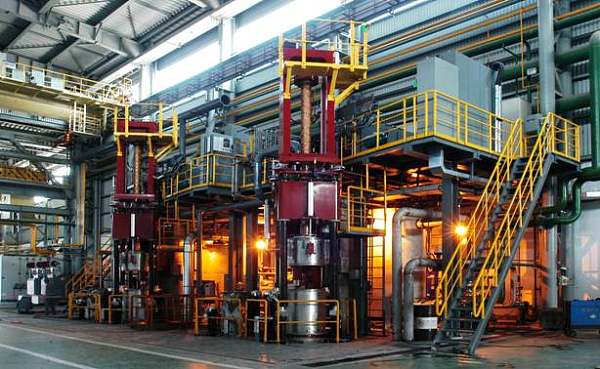
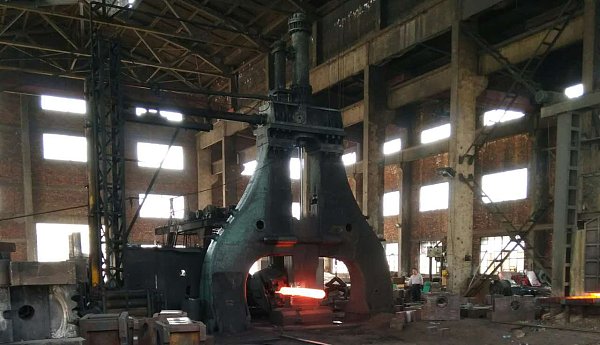
◉ Factory Show
◉ MESSAGE
◉ SIMILAR RECOMMENDED
/ Supermendur /1J22/ Permendur/49КФ/AFK502/Co50V2") Hiperco 50 (1J22)/ Supermendur /1J22/ Permendur/49КФ/AFK502/Co50V2
Hiperco 50 (1J22)/ Supermendur /1J22/ Permendur/49КФ/AFK502/Co50V2/ Supermendur /1J22/ Permendur/49КФ/AFK502/Co50V2-1 Tube Pipe") Hiperco 50 Tube Pipe (1J22)/ Supermendur /1J22/ Permendur/49КФ/AFK502/Co50V2-1 Tube Pipe
Hiperco 50 Tube Pipe (1J22)/ Supermendur /1J22/ Permendur/49КФ/AFK502/Co50V2-1 Tube Pipe/ Supermendur /1J22/ Permendur/49КФ/AFK502/Co50V2-1 Bar Rod") Hiperco 50 Bar Rod (1J22)/ Supermendur /1J22/ Permendur/49КФ/AFK502/Co50V2-1 Bar Rod
Hiperco 50 Bar Rod (1J22)/ Supermendur /1J22/ Permendur/49КФ/AFK502/Co50V2-1 Bar Rod/Russia 50H/1J50 Strip Ring") NiFe Alloy 50 Strip Ring (1J50)/Russia 50H/1J50 Strip Ring
NiFe Alloy 50 Strip Ring (1J50)/Russia 50H/1J50 Strip Ring/Russia 50H/1J50 Tube Pipe") NiFe Alloy 50 Tube Pipe (1J50)/Russia 50H/1J50 Tube Pipe
NiFe Alloy 50 Tube Pipe (1J50)/Russia 50H/1J50 Tube Pipe/Russia 50H/1J50 Bar Rod") NiFe Alloy 50 Bar Rod (1J50)/Russia 50H/1J50 Bar Rod
NiFe Alloy 50 Bar Rod (1J50)/Russia 50H/1J50 Bar Rod/Russia 50H/1J50 Sheet Plate") NiFe Alloy 50 Sheet Plate (1J50)/Russia 50H/1J50 Sheet Plate
NiFe Alloy 50 Sheet Plate (1J50)/Russia 50H/1J50 Sheet Plate Su Permalloy 1J85 /UNS N14080,GB/T 32286.1-2015 Bar Tube Pipe Wire
 Su Permalloy 1J85 Tube Pipe /UNS N14080,GB/T 32286.1-2015 Tube Pipe
 Su Permalloy 1J85 Sheet Pipe /UNS N14080,GB/T 32286.1-2015 Sheet Pipe
 Su Permalloy 1J85 Bar Rod /UNS N14080 GB/T 32286.1-2015 Bar Rod
 Wire Strip /UNS N14080,GB/T 32286.1-2015 Wire Strip") Permalloy Alloy 80(1J79) Wire Strip /UNS N14080,GB/T 32286.1-2015 Wire Strip
Permalloy Alloy 80(1J79) Wire Strip /UNS N14080,GB/T 32286.1-2015 Wire Strip Tube Pipe /UNS N14080,GB/T 32286.1-2015 Tube Pipe") Permalloy Alloy 80(1J79) Tube Pipe /UNS N14080,GB/T 32286.1-2015 Tube Pipe
Permalloy Alloy 80(1J79) Tube Pipe /UNS N14080,GB/T 32286.1-2015 Tube Pipe Sheet Plate /UNS N14080,GB/T 32286.1-2015 Sheet Plate") Permalloy Alloy 80(1J79) Sheet Plate /UNS N14080,GB/T 32286.1-2015 Sheet Plate
Permalloy Alloy 80(1J79) Sheet Plate /UNS N14080,GB/T 32286.1-2015 Sheet Plate Bar Rod /UNS N14080,GB/T 32286.1-2015 Bar Rod") Permalloy Alloy 80(1J79) Bar Rod /UNS N14080,GB/T 32286.1-2015 Bar Rod
Permalloy Alloy 80(1J79) Bar Rod /UNS N14080,GB/T 32286.1-2015 Bar Rod 4J42 Ring Strip UNS K94100 /W. Nr.1.3917 ASTM F30 precision iron-nickel alloy Ring Strip
 4J42 Tube Pipe UNS K94100 /W. Nr.1.3917 ASTM F30 precision iron-nickel alloy Tube Pipe
 4J42 Bar Rod UNS K94100 /W. Nr.1.3917 ASTM F30 precision iron-nickel alloy Bar Rod
 4J42 UNS K94100 /W. Nr.1.3917 ASTM F30 precision iron-nickel alloy
 Super Invar 32-5/4J32/K93500/Super Invar Tube Bar Rod Sheet
 Super Invar 32-5 Sheet Plate 4J32/K93500/Super Invar Sheet Plate
Thank you very much for writing to us. Please leave your message and contact information, we will reply to you within 24 hours.