MESSAGE
If you have any questions, please contact us and we will contact you as soon as possible.
‹
›
‹
›
◉ PRODUCT SPECIFICATION
Incoloy Alloy 20 stands as one of the most versatile austenitic stainless steel superalloys in industrial applications, offering exceptional resistance to sulfuric acid and chloride stress corrosion cracking. This nickel-iron-chromium alloy has become the preferred material choice for chemical processing equipment, pharmaceutical manufacturing, and marine applications where traditional stainless steels fail to perform adequately.
What is Incoloy Alloy 20?
Incoloy Alloy 20 represents a specialized austenitic stainless steel superalloy engineered specifically for environments containing sulfuric acid and other aggressive chemicals. Originally developed in the 1950s, this alloy combines nickel, chromium, and iron in precise proportions to achieve superior corrosion resistance.
The alloy's unique metallurgical structure provides outstanding performance in both reducing and oxidizing environments. Its austenitic matrix remains stable across wide temperature ranges, making it suitable for applications from cryogenic conditions to elevated temperatures exceeding 1000°F (538°C).
Key characteristics include excellent resistance to pitting, crevice corrosion, and intergranular attack. The alloy maintains its mechanical properties even after prolonged exposure to corrosive media, ensuring long-term reliability in critical applications.
What is the Chemical Composition of Incoloy Alloy 20?
The precise chemical composition of Incoloy Alloy 20 determines its exceptional corrosion resistance and mechanical properties. Understanding these elemental percentages is crucial for material selection and quality control.
What are the Mechanical Properties of Incoloy Alloy 20?
The mechanical properties of Incoloy Alloy 20 demonstrate its suitability for demanding structural and pressure vessel applications. These properties remain consistent across various product forms and heat treatment conditions.
What is the Specification of Incoloy Alloy 20?
Incoloy Alloy 20 complies with numerous international specifications and standards, ensuring consistent quality and performance across global markets. These specifications govern chemical composition, mechanical properties, and manufacturing requirements.
What does Incoloy Alloy 20 Stand For?
The designation "Incoloy Alloy 20" follows a systematic naming convention that indicates both the alloy family and its specific characteristics. The term "Incoloy" represents Special Metals Corporation's trademarked family of nickel-iron-chromium alloys.
The number "20" historically referred to the alloy's approximate chromium content of 20%. However, the designation has evolved to represent the specific alloy composition rather than a direct correlation to chromium percentage.
Alternative designations include N08020 (UNS designation), 20Cb-3 (ASTM designation), and Carpenter 20Cb-3. These various names reflect different standardization bodies and manufacturers while referring to the same basic alloy composition.
The "Cb" suffix in some designations indicates columbium (niobium) addition, which prevents intergranular corrosion by stabilizing carbon as niobium carbides rather than chromium carbides.
What is the Equivalent of Incoloy Alloy 20?
Understanding equivalent grades helps engineers select appropriate materials when specific brands are unavailable or when comparing specifications across different suppliers and regions.
International equivalents maintain similar chemical compositions and performance characteristics, though minor variations may exist. These differences typically fall within acceptable ranges for most applications but require careful consideration for critical service conditions.
Major equivalent grades include Carpenter 20Cb-3, Sandvik 1RK65, and Haynes 20. European equivalents encompass EN 1.4660 and various national standards across EU member countries.
Asian equivalents include Japanese JIS SUS 890L and Chinese GB 00Cr20Ni32Mo3Cu2Nb. These standards incorporate local manufacturing practices while maintaining international compatibility.
What is the Difference Between Incoloy Alloy 20, 800, and 925?
These three Incoloy grades serve different industrial applications based on their unique compositions and properties. Understanding their distinctions enables proper material selection for specific service conditions.
What is Incoloy Alloy 20 Used For?
Incoloy Alloy 20 finds extensive application across industries requiring superior corrosion resistance combined with good mechanical properties. Its versatility makes it suitable for both structural and process equipment applications.
Chemical processing represents the largest application sector, where the alloy handles sulfuric acid concentrations up to 40% at temperatures reaching 200°F (93°C). Pharmaceutical manufacturing utilizes this alloy for reactor vessels, storage tanks, and piping systems processing active pharmaceutical ingredients.
Food processing equipment benefits from the alloy's resistance to organic acids and cleaning solutions. Heat exchangers in marine environments rely on its chloride stress corrosion cracking resistance for reliable long-term performance.
Pollution control equipment, including flue gas desulfurization systems, scrubbers, and stack liners, utilizes Alloy 20's resistance to sulfurous compounds and chlorides. Power generation facilities employ this material for condenser tubes and steam generator components.
Petrochemical applications include process vessels, piping, and instrumentation handling sour crude oil and refined products containing sulfur compounds. Mining operations use Alloy 20 for equipment processing sulfide ores and hydrometallurgical solutions.
What is the Classification of Incoloy Alloy 20?
Material classification systems organize alloys based on composition, structure, and properties to facilitate specification and selection processes. Incoloy Alloy 20 fits into multiple classification schemes used globally.
What are Incoloy Alloy Grades?
The Incoloy family encompasses numerous grades, each tailored for specific applications and service environments. Understanding the complete range helps engineers select optimal materials for their applications.
Incoloy Alloy 20 Global Market Prices 2025
Global market prices for Incoloy Alloy 20 fluctuate based on raw material costs, supply-demand dynamics, and regional manufacturing capabilities. Current pricing reflects nickel and molybdenum market volatility.
*Prices are indicative and subject to change based on quantity, specifications, and market conditions.
Advantages of Incoloy Alloy 20
Incoloy Alloy 20 offers numerous advantages that make it the preferred choice for challenging corrosive environments where conventional stainless steels prove inadequate.
Superior sulfuric acid resistance sets this alloy apart from standard austenitic stainless steels. The copper addition provides exceptional performance in reducing acids, while the balanced nickel-chromium matrix ensures oxidizing environment compatibility.
Excellent fabricability allows for complex forming operations without compromising material properties. The alloy responds well to conventional machining, welding, and forming techniques when proper procedures are followed.
Outstanding chloride stress corrosion cracking resistance makes it ideal for marine and coastal applications. The alloy maintains structural integrity even in high-chloride environments that cause premature failure in other materials.
Temperature stability ensures consistent performance across wide operating ranges. From cryogenic applications to elevated temperatures, the alloy maintains its austenitic structure and corrosion resistance.
Long-term reliability reduces maintenance costs and unplanned downtime. The alloy's resistance to various corrosion mechanisms ensures extended service life in critical applications.
Proven track record in demanding applications provides confidence for new installations. Decades of successful service in chemical processing, pharmaceutical, and marine industries demonstrate its reliability.
Nigeria Procurement Case Study
A major Nigerian petrochemical complex required corrosion-resistant piping for their new sulfuric acid alkylation unit. The project specified 2,500 meters of various diameter pipes and 450 fittings for handling 98% concentrated sulfuric acid at temperatures up to 180°F (82°C).
Initial specifications called for conventional 316L stainless steel, but preliminary corrosion testing revealed inadequate performance. The consulting engineers recommended Incoloy Alloy 20 based on its proven sulfuric acid resistance and temperature stability.
MWalloys supplied the complete piping package, including seamless pipes from 2" to 12" diameter, forged fittings, and welding consumables. All materials met ASTM B729 specifications with full material test certificates and third-party verification.
Installation proceeded smoothly with local contractors trained in Incoloy 20 welding procedures. The project completed on schedule despite initial concerns about material availability and technical support in the region.
After eighteen months of operation, inspection results showed no measurable corrosion or degradation. The plant reported significant improvements in reliability compared to previous installations using conventional stainless steels.
Cost analysis revealed that despite higher initial material costs, the Incoloy 20 installation provided superior value through reduced maintenance, extended service life, and improved operational reliability. The success of this project led to specification of Incoloy 20 for additional units within the complex.
Frequently Asked Questions (FAQs)
1. Can Incoloy Alloy 20 be welded using standard procedures?
Incoloy Alloy 20 requires specific welding procedures to maintain optimal properties. Standard austenitic stainless steel techniques apply with modifications for this alloy's composition. Preheating is typically unnecessary, but interpass temperatures should not exceed 350°F (177°C). Use low-carbon welding consumables such as ERNiCrMo-3 (AWS A5.14) or ENiCrMo-3 (AWS A5.11). Post-weld heat treatment is generally not required except for thick sections or stress relief requirements.
2. What is the maximum operating temperature for Incoloy Alloy 20?
The recommended maximum continuous operating temperature is 1000°F (538°C) in most environments. Above this temperature, carbide precipitation may occur, reducing corrosion resistance. For short-term exposure, the alloy can withstand temperatures up to 1200°F (649°C). In highly oxidizing environments, temperature limits may be lower due to accelerated oxidation rates.
3. How does Incoloy Alloy 20 compare to 316L stainless steel in cost and performance?
Incoloy Alloy 20 costs approximately 2-3 times more than 316L stainless steel but provides significantly superior corrosion resistance, particularly in sulfuric acid and chloride environments. The higher initial cost is often justified by extended service life, reduced maintenance, and improved reliability. Life-cycle cost analysis typically favors Incoloy 20 in aggressive service conditions.
4. Is Incoloy Alloy 20 suitable for food processing applications?
Yes, Incoloy Alloy 20 meets FDA requirements for food contact applications and provides excellent resistance to organic acids, cleaning solutions, and sanitizers commonly used in food processing. Its non-magnetic properties and smooth surface finish make it suitable for applications requiring high hygiene standards. However, cost considerations may limit its use to critical applications where standard stainless steels prove inadequate.
5. What quality certifications should I expect when purchasing Incoloy Alloy 20?
Reputable suppliers provide material test certificates (MTC) showing chemical composition, mechanical properties, and heat treatment details. Look for certifications to ASTM, ASME, or EN standards as applicable. Third-party inspection certificates from recognized testing laboratories add credibility. For critical applications, request additional testing such as intergranular corrosion testing (ASTM A262) or corrosion testing in specific media.
6. Can Incoloy Alloy 20 be cold worked or formed after delivery?
Incoloy Alloy 20 work hardens rapidly during cold working but can be formed using conventional methods with proper technique. Incremental forming with frequent annealing may be necessary for severe forming operations. The alloy maintains good ductility even after moderate cold work. For complex forming operations, consider hot working at temperatures between 1800-2100°F (982-1149°C).
7. How should Incoloy Alloy 20 be stored and handled to maintain quality?
Store Incoloy Alloy 20 in clean, dry conditions protected from contamination. Avoid contact with carbon steel or other materials that could cause surface contamination. Use stainless steel or plastic supports and handling equipment. For long-term storage, consider protective coatings or controlled atmosphere packaging. Maintain proper identification throughout storage and handling to prevent mix-ups with other alloys.
References
- ASTM B729 - Standard Specification for UNS N08020, UNS N08026, and UNS N08024 Nickel Alloy Seamless Pipe and Tube
- NIST Physical Reference Data - Material Properties Database
- European Commission - Pressure Equipment Directive Standards
- ISO 15156 - Petroleum and Natural Gas Industries Materials for Use in H2S-Containing Environments
- ASME Boiler and Pressure Vessel Code Section II - Materials Specifications
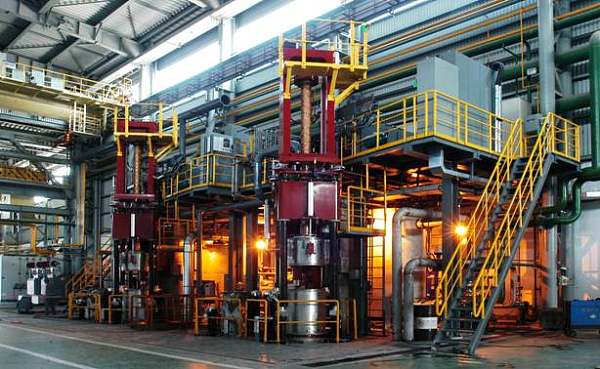
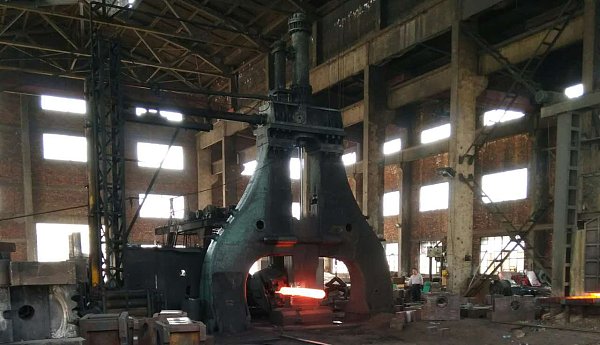
◉ Factory Show
◉ MESSAGE
◉ SIMILAR RECOMMENDED
/ Supermendur /1J22/ Permendur/49КФ/AFK502/Co50V2") Hiperco 50 (1J22)/ Supermendur /1J22/ Permendur/49КФ/AFK502/Co50V2
Hiperco 50 (1J22)/ Supermendur /1J22/ Permendur/49КФ/AFK502/Co50V2/ Supermendur /1J22/ Permendur/49КФ/AFK502/Co50V2-1 Tube Pipe") Hiperco 50 Tube Pipe (1J22)/ Supermendur /1J22/ Permendur/49КФ/AFK502/Co50V2-1 Tube Pipe
Hiperco 50 Tube Pipe (1J22)/ Supermendur /1J22/ Permendur/49КФ/AFK502/Co50V2-1 Tube Pipe/ Supermendur /1J22/ Permendur/49КФ/AFK502/Co50V2-1 Bar Rod") Hiperco 50 Bar Rod (1J22)/ Supermendur /1J22/ Permendur/49КФ/AFK502/Co50V2-1 Bar Rod
Hiperco 50 Bar Rod (1J22)/ Supermendur /1J22/ Permendur/49КФ/AFK502/Co50V2-1 Bar Rod/Russia 50H/1J50 Strip Ring") NiFe Alloy 50 Strip Ring (1J50)/Russia 50H/1J50 Strip Ring
NiFe Alloy 50 Strip Ring (1J50)/Russia 50H/1J50 Strip Ring/Russia 50H/1J50 Tube Pipe") NiFe Alloy 50 Tube Pipe (1J50)/Russia 50H/1J50 Tube Pipe
NiFe Alloy 50 Tube Pipe (1J50)/Russia 50H/1J50 Tube Pipe/Russia 50H/1J50 Bar Rod") NiFe Alloy 50 Bar Rod (1J50)/Russia 50H/1J50 Bar Rod
NiFe Alloy 50 Bar Rod (1J50)/Russia 50H/1J50 Bar Rod/Russia 50H/1J50 Sheet Plate") NiFe Alloy 50 Sheet Plate (1J50)/Russia 50H/1J50 Sheet Plate
NiFe Alloy 50 Sheet Plate (1J50)/Russia 50H/1J50 Sheet Plate Su Permalloy 1J85 /UNS N14080,GB/T 32286.1-2015 Bar Tube Pipe Wire
 Su Permalloy 1J85 Tube Pipe /UNS N14080,GB/T 32286.1-2015 Tube Pipe
 Su Permalloy 1J85 Sheet Pipe /UNS N14080,GB/T 32286.1-2015 Sheet Pipe
 Su Permalloy 1J85 Bar Rod /UNS N14080 GB/T 32286.1-2015 Bar Rod
 Wire Strip /UNS N14080,GB/T 32286.1-2015 Wire Strip") Permalloy Alloy 80(1J79) Wire Strip /UNS N14080,GB/T 32286.1-2015 Wire Strip
Permalloy Alloy 80(1J79) Wire Strip /UNS N14080,GB/T 32286.1-2015 Wire Strip Tube Pipe /UNS N14080,GB/T 32286.1-2015 Tube Pipe") Permalloy Alloy 80(1J79) Tube Pipe /UNS N14080,GB/T 32286.1-2015 Tube Pipe
Permalloy Alloy 80(1J79) Tube Pipe /UNS N14080,GB/T 32286.1-2015 Tube Pipe Sheet Plate /UNS N14080,GB/T 32286.1-2015 Sheet Plate") Permalloy Alloy 80(1J79) Sheet Plate /UNS N14080,GB/T 32286.1-2015 Sheet Plate
Permalloy Alloy 80(1J79) Sheet Plate /UNS N14080,GB/T 32286.1-2015 Sheet Plate Bar Rod /UNS N14080,GB/T 32286.1-2015 Bar Rod") Permalloy Alloy 80(1J79) Bar Rod /UNS N14080,GB/T 32286.1-2015 Bar Rod
Permalloy Alloy 80(1J79) Bar Rod /UNS N14080,GB/T 32286.1-2015 Bar Rod 4J42 Ring Strip UNS K94100 /W. Nr.1.3917 ASTM F30 precision iron-nickel alloy Ring Strip
 4J42 Tube Pipe UNS K94100 /W. Nr.1.3917 ASTM F30 precision iron-nickel alloy Tube Pipe
 4J42 Bar Rod UNS K94100 /W. Nr.1.3917 ASTM F30 precision iron-nickel alloy Bar Rod
 4J42 UNS K94100 /W. Nr.1.3917 ASTM F30 precision iron-nickel alloy
 Super Invar 32-5/4J32/K93500/Super Invar Tube Bar Rod Sheet
 Super Invar 32-5 Sheet Plate 4J32/K93500/Super Invar Sheet Plate
Thank you very much for writing to us. Please leave your message and contact information, we will reply to you within 24 hours.