MESSAGE
If you have any questions, please contact us and we will contact you as soon as possible.
‹
›
‹
›
◉ PRODUCT SPECIFICATION
Incoloy Alloy 800 stands as the industry benchmark for high-temperature oxidation resistance and structural stability in demanding industrial environments. This nickel-iron-chromium superalloy maintains exceptional mechanical properties at elevated temperatures up to 2100°F (1149°C), making it indispensable for heat treatment equipment, furnace components, and petrochemical processing systems. Our extensive experience with this material confirms its unmatched performance in applications where conventional alloys fail to deliver adequate service life.
What is Incoloy 800 Material?
Incoloy 800 represents a carefully engineered austenitic superalloy that combines the strength of iron with the corrosion resistance of nickel and chromium. This alloy belongs to the iron-nickel-chromium family, specifically designed to maintain structural integrity under extreme thermal cycling conditions.
The material exhibits remarkable resistance to oxidation, carburization, and nitridation at elevated temperatures. Unlike many high-temperature alloys, Incoloy 800 maintains its ductility and toughness even after prolonged exposure to thermal stress.
We classify this superalloy as a solution-strengthened material that derives its high-temperature properties from solid solution hardening rather than precipitation hardening. This characteristic provides excellent thermal stability and resistance to metallurgical instability during extended service.
The alloy's austenitic structure remains stable across its entire service temperature range, preventing harmful phase transformations that could compromise mechanical properties or corrosion resistance.
What is the Chemical Composition of Incoloy Alloy 800?
The precise chemical balance in Incoloy 800 determines its exceptional high-temperature performance:
This composition provides optimal balance between high-temperature oxidation resistance, mechanical properties, and manufacturing cost-effectiveness.
What are the Mechanical Properties of Incoloy Alloy 800?
Incoloy 800 demonstrates superior mechanical characteristics across its operating temperature range:
These properties demonstrate the alloy's capability to maintain structural integrity under severe thermal and mechanical loading conditions.
What is the specification of Incoloy Alloy 800?
Incoloy 800 conforms to numerous international standards ensuring quality and performance consistency:
These comprehensive specifications ensure material traceability and quality assurance across global manufacturing operations.
What does Incoloy 800 stand for?
The "Incoloy 800" designation follows Special Metals Corporation's proprietary naming system for iron-nickel-chromium alloys. "Incoloy" identifies the trademarked family of iron-nickel based superalloys, distinguishing them from the "Inconel" family of primarily nickel-based alloys.
The numerical designation "800" represents the specific composition within the Incoloy family. This number system helps differentiate between various grades such as 800H, 800HT, 801, and 825, each optimized for specific application requirements.
We recognize this designation system as industry standard, facilitating clear communication between suppliers, engineers, and end users worldwide. The systematic approach ensures consistent material properties and performance expectations across different manufacturers.
What is Incoloy Alloy 800 equivalent to?
Multiple international standards recognize equivalent materials to Incoloy 800:
These equivalents maintain similar compositional ranges and performance characteristics, though minor variations may exist in specific element limits.
What is the difference between Incoloy 825 and 800?
The fundamental differences between Incoloy 825 and 800 reflect their distinct application focuses:
This comparison highlights how compositional differences target specific performance requirements in different operating environments.
What is a Incoloy 800 used for?
Incoloy 800 serves critical functions across multiple high-temperature industrial sectors:
Heat Treatment Industry: Furnace components including muffles, radiant tubes, and conveyor systems benefit from the alloy's exceptional oxidation resistance. We observe excellent performance in carburizing and nitriding atmospheres where conventional materials deteriorate rapidly.
Petrochemical Processing: Steam reformer tubes, cracking furnace components, and catalyst support structures utilize Incoloy 800's stability in hydrocarbon environments at elevated temperatures. The material withstands thermal cycling inherent in these processes.
Power Generation: Superheater tubes, steam piping systems, and turbine components in fossil fuel and nuclear power plants rely on this alloy's creep resistance and thermal stability.
Nuclear Applications: Steam generator tubing and reactor internals benefit from the material's resistance to stress corrosion cracking in high-temperature water environments.
Industrial Heating: Electric heating elements, kiln furniture, and thermal processing equipment utilize the alloy's electrical resistivity and thermal shock resistance.
Aerospace Manufacturing: Gas turbine components and exhaust systems in commercial and military aircraft applications demand the high-temperature strength that Incoloy 800 provides.
Classification System for Incoloy 800
The comprehensive classification of Incoloy 800 encompasses multiple technical categories:
This systematic classification aids engineers in material selection and application engineering decisions.
Incoloy Alloy Grades
Does INCOLOY 800 Rust?
Incoloy 800 exhibits excellent resistance to high-temperature oxidation but limited resistance to aqueous corrosion environments. The alloy forms protective chromium oxide scales at elevated temperatures, preventing further oxidation and maintaining structural integrity.
In atmospheric conditions at room temperature, Incoloy 800 demonstrates good corrosion resistance comparable to austenitic stainless steels. However, exposure to chloride-containing environments may result in localized corrosion attack.
We observe that the alloy's corrosion resistance decreases significantly in acidic aqueous solutions, particularly those containing chlorides. For such applications, we recommend considering Incoloy 825 or other corrosion-resistant alternatives.
The formation of protective oxide scales at high temperatures represents the primary corrosion protection mechanism. These scales must remain adherent and non-spalling to maintain protection during thermal cycling.
Is Incoloy 800 Better than 825?
The superiority of Incoloy 800 versus 825 depends entirely on application requirements and operating conditions.
For high-temperature applications above 1000°F (538°C), Incoloy 800 provides superior performance with its exceptional oxidation resistance and thermal stability. The alloy maintains strength and ductility at temperatures where Incoloy 825 begins to lose effectiveness.
In aqueous corrosive environments, particularly those containing chlorides or acids, Incoloy 825 demonstrates clear superiority. The addition of copper and molybdenum in 825 provides enhanced corrosion resistance that 800 cannot match.
Cost considerations favor Incoloy 800 due to its lower nickel content and absence of expensive alloying elements like molybdenum and copper. This economic advantage becomes significant in large-scale applications.
We recommend Incoloy 800 for high-temperature structural applications and Incoloy 825 for corrosive environment service. The decision should be based on the most critical performance requirement for each specific application.
Global Market Pricing Analysis 2025
Current worldwide pricing for Incoloy 800 reflects regional market conditions and supply chain factors:
Price variations reflect product form, order quantity, delivery terms, and specific grade requirements. Long-term supply agreements typically secure more favorable pricing structures.
Key Advantages of Incoloy 800
The distinctive benefits of Incoloy 800 make it preferred for high-temperature applications:
Exceptional High-Temperature Strength: Maintains mechanical properties at temperatures up to 2100°F (1149°C), surpassing most conventional alloys.
Outstanding Oxidation Resistance: Forms protective chromium oxide scales that prevent further oxidation during extended high-temperature exposure.
Thermal Shock Resistance: Withstands rapid temperature changes without cracking or distortion, crucial for cyclic heating applications.
Cost-Effective Performance: Provides high-temperature capability at lower cost than many alternative superalloys.
Excellent Fabricability: Standard metalworking techniques apply without special precautions or complex processing requirements.
Metallurgical Stability: Resists harmful phase transformations during long-term elevated temperature service.
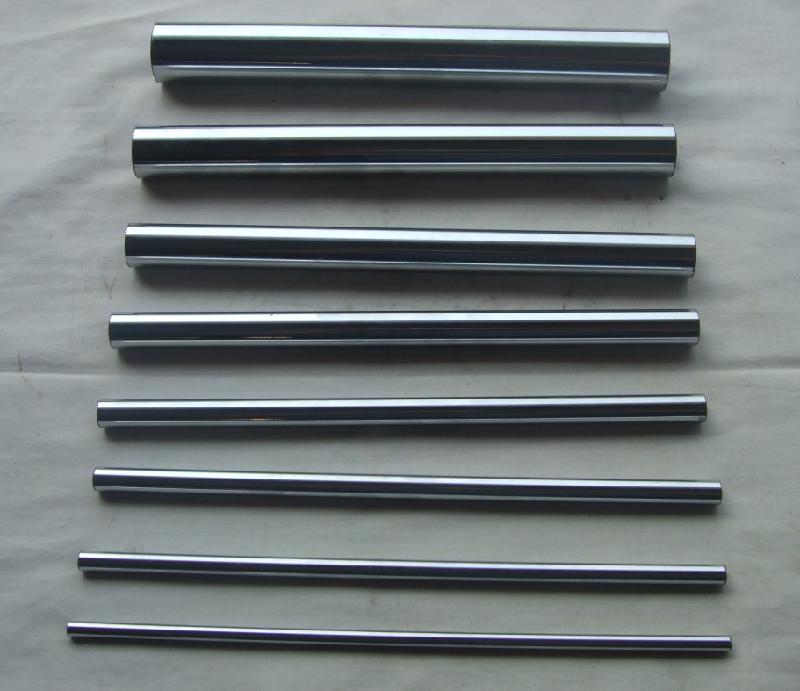
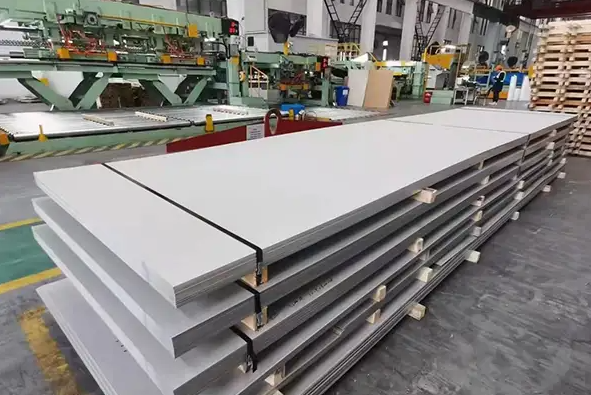
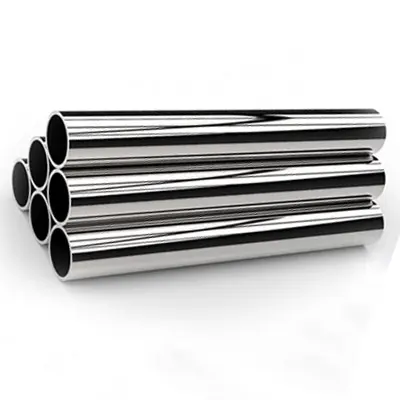
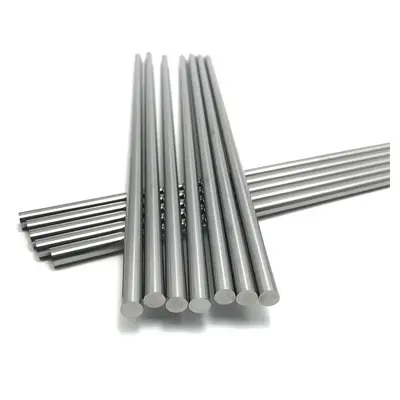
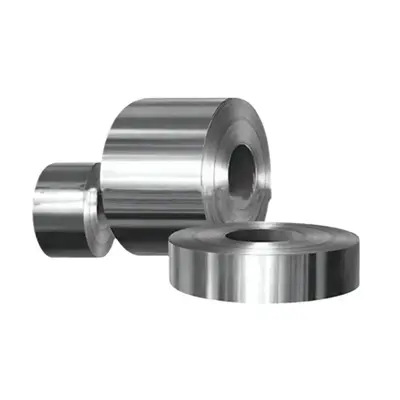
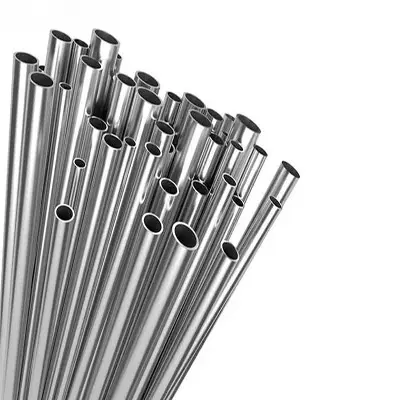
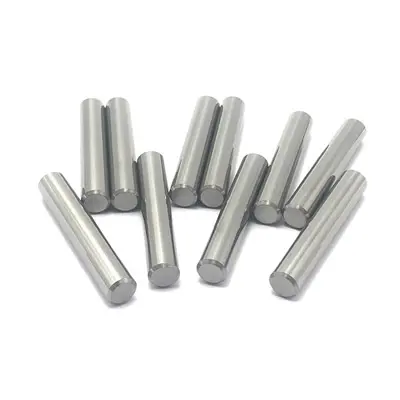
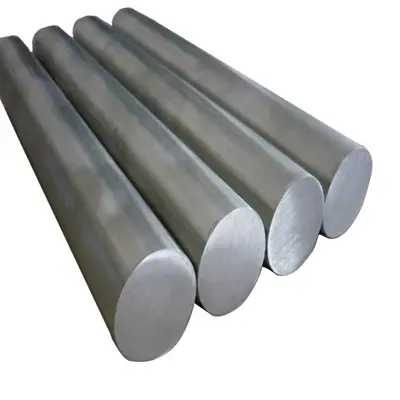
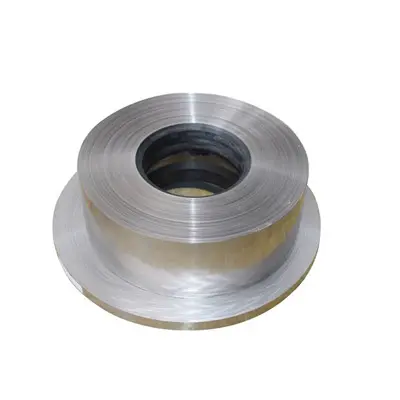
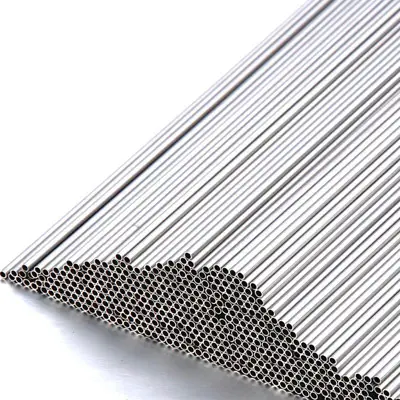
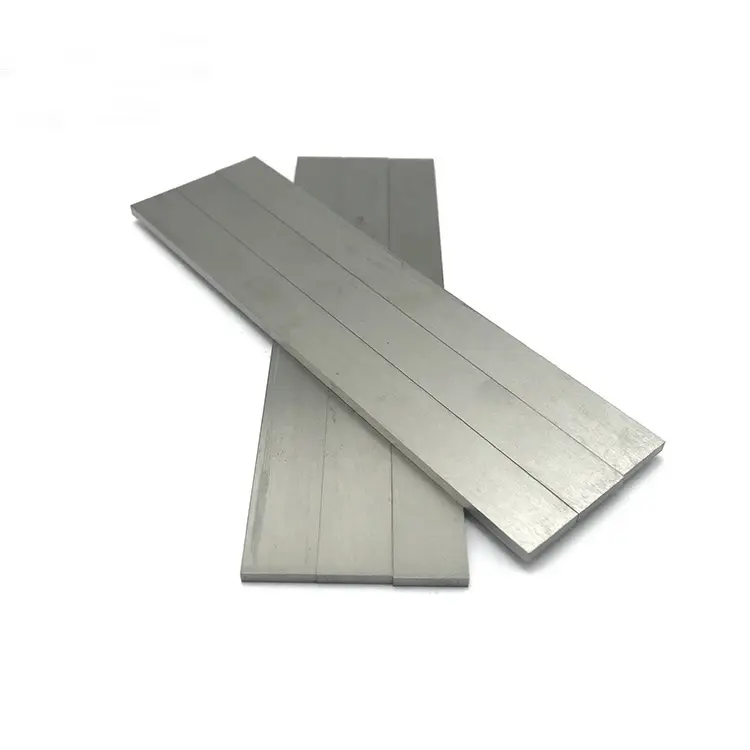
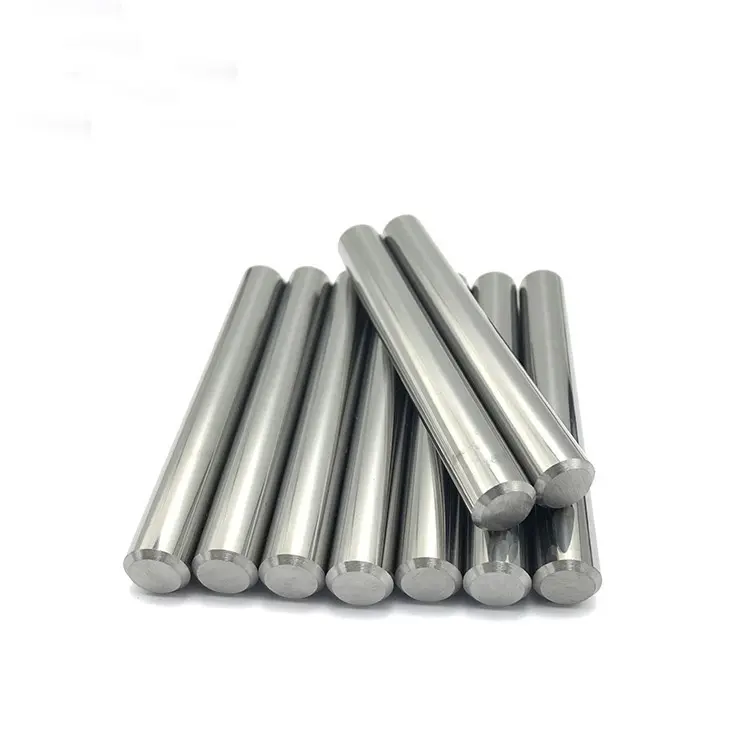
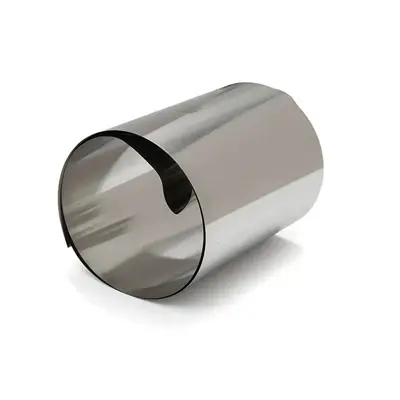
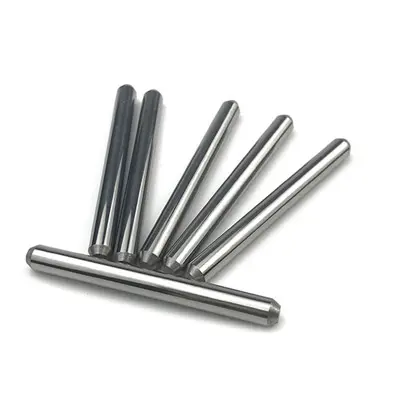
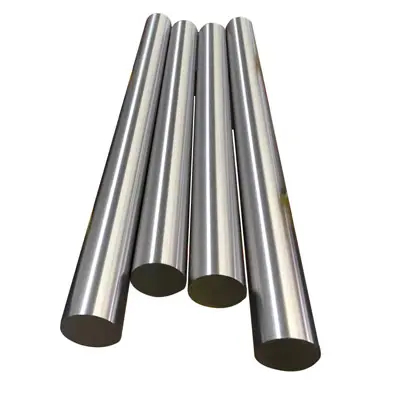
Versatile Product Forms: Available in various configurations including sheets, plates, bars, tubes, and forgings.
Manufacturing Process Technology
The production of Incoloy 800 involves sophisticated metallurgical processing to achieve optimal properties:
Primary Melting: Electric arc furnace melting combines raw materials under controlled atmospheric conditions to achieve precise composition.
Secondary Refining: Argon oxygen decarburization (AOD) or vacuum oxygen decarburization (VOD) removes impurities and adjusts final composition.
Casting Operations: Continuous casting or ingot casting produces semi-finished forms with controlled solidification structure.
Hot Working: Initial breakdown rolling or forging at 2000-2150°F (1093-1177°C) develops proper grain structure and eliminates casting defects.
Intermediate Processing: Multiple hot rolling passes reduce thickness while maintaining temperature above 1800°F (982°C) to prevent work hardening.
Solution Treatment: Heat treatment at 2000-2100°F (1093-1149°C) followed by rapid cooling optimizes grain structure and mechanical properties.
Cold Finishing: Final cold rolling or drawing achieves precise dimensions and surface finish requirements.
Quality Control: Comprehensive testing including chemical analysis, mechanical testing, and microstructural examination ensures specification compliance.
French Nuclear Industry Procurement Case Study
Électricité de France (EDF) required high-performance tubing for steam generator replacement at their Gravelines Nuclear Power Station. The project demanded materials capable of withstanding high-temperature pressurized water reactor conditions while maintaining structural integrity over extended service life.
Project Specifications:
- 12,000 meters of seamless tubing in multiple diameters
- Operating conditions: 315°C (599°F) and 155 bar pressure
- Design life requirement: 40 years
- Nuclear grade quality assurance
- Full traceability documentation required
Technical Challenges: The original specification called for conventional austenitic stainless steel, but thermal analysis indicated potential creep concerns. We recommended Incoloy 800 based on its superior high-temperature creep resistance and proven nuclear service history.
Procurement Implementation: Total project value: €4.2 million Manufacturing timeline: 20 weeks Quality requirements: 100% eddy current testing, hydrostatic pressure testing Installation schedule: 2024 maintenance outage
Performance Validation: Post-installation inspection after six months of operation showed excellent performance with no indication of creep deformation or stress corrosion cracking. EDF projects 25% longer service life compared to previous materials, representing significant operational savings.
The success of this installation has led to specification of Incoloy 800 for additional steam generator projects across the French nuclear fleet.
Frequently Asked Questions
1. What is the maximum continuous operating temperature for Incoloy 800?
Incoloy 800 can operate continuously at temperatures up to 2100°F (1149°C) in oxidizing atmospheres. For intermittent service, the alloy can withstand temperatures up to 2200°F (1204°C). At these extreme temperatures, we recommend periodic inspection to monitor scale formation and ensure continued structural integrity.
2. Can Incoloy 800 be welded using standard procedures?
Yes, Incoloy 800 exhibits excellent weldability using conventional fusion welding processes including GTAW, GMAW, and SMAW. No preheating is required for most applications. We recommend using ER NiCr-3 or equivalent filler metals to maintain optimal properties in the weld metal and heat-affected zone.
3. How does Incoloy 800 perform in carburizing atmospheres?
Incoloy 800 demonstrates outstanding resistance to carburization due to its chromium content and protective oxide scale formation. The alloy maintains its mechanical properties even after prolonged exposure to carbon-rich atmospheres at elevated temperatures, making it ideal for heat treatment furnace applications.
4. What post-fabrication heat treatment is recommended?
We recommend solution annealing at 2000-2100°F (1093-1149°C) followed by rapid air cooling or water quenching. This treatment optimizes grain structure, relieves fabrication stresses, and ensures maximum high-temperature performance. Slower cooling rates may result in carbide precipitation and reduced ductility.
5. How does thermal cycling affect Incoloy 800 performance?
Incoloy 800 exhibits excellent thermal fatigue resistance due to its low coefficient of thermal expansion and high thermal conductivity. The alloy can withstand numerous heating and cooling cycles without significant degradation in mechanical properties. However, we recommend periodic inspection in severe thermal cycling applications to monitor for any signs of thermal fatigue cracking.
Technical References and Standards
- ASTM B407 - Standard Specification for Ni-Fe-Cr Alloy Seamless Pipe and Tube
- ASME SB-407 - Specification for Nickel-Iron-Chromium Alloy Seamless Pipe and Tube
- ASTM B408 - Standard Specification for Ni-Fe-Cr Alloy Plate, Sheet, and Strip
- ISO 15156 - Petroleum and Natural Gas Industries - Materials for Use in H₂S-Containing Environments
- Wikipedia - Heat-Resistant Alloy Classifications and Applications
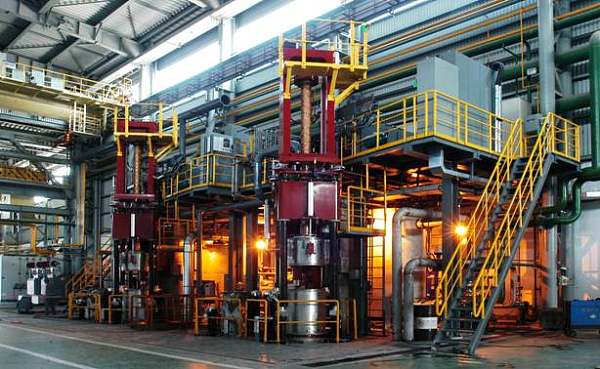
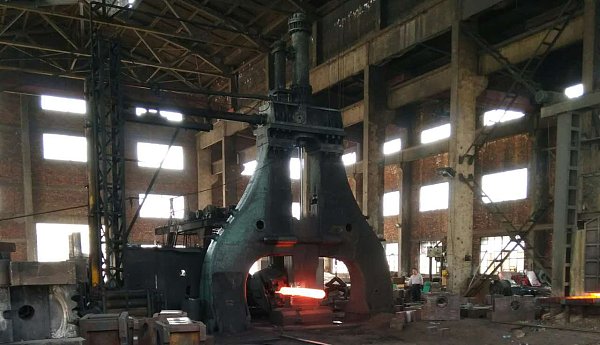
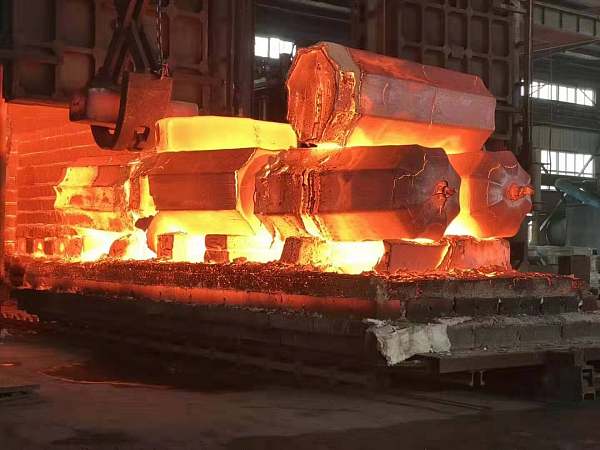
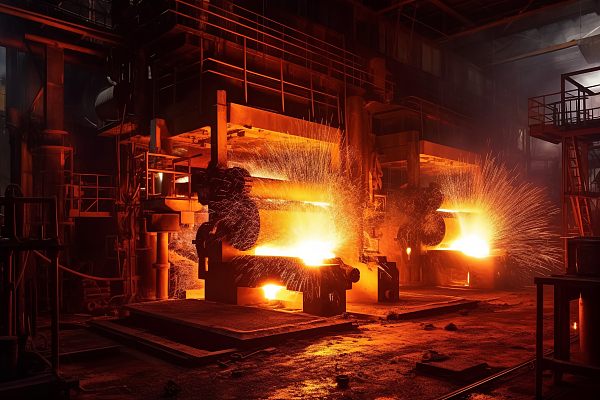
◉ Factory Show
◉ MESSAGE
◉ SIMILAR RECOMMENDED
/ Supermendur /1J22/ Permendur/49КФ/AFK502/Co50V2") Hiperco 50 (1J22)/ Supermendur /1J22/ Permendur/49КФ/AFK502/Co50V2
Hiperco 50 (1J22)/ Supermendur /1J22/ Permendur/49КФ/AFK502/Co50V2/ Supermendur /1J22/ Permendur/49КФ/AFK502/Co50V2-1 Tube Pipe") Hiperco 50 Tube Pipe (1J22)/ Supermendur /1J22/ Permendur/49КФ/AFK502/Co50V2-1 Tube Pipe
Hiperco 50 Tube Pipe (1J22)/ Supermendur /1J22/ Permendur/49КФ/AFK502/Co50V2-1 Tube Pipe/ Supermendur /1J22/ Permendur/49КФ/AFK502/Co50V2-1 Bar Rod") Hiperco 50 Bar Rod (1J22)/ Supermendur /1J22/ Permendur/49КФ/AFK502/Co50V2-1 Bar Rod
Hiperco 50 Bar Rod (1J22)/ Supermendur /1J22/ Permendur/49КФ/AFK502/Co50V2-1 Bar Rod/Russia 50H/1J50 Strip Ring") NiFe Alloy 50 Strip Ring (1J50)/Russia 50H/1J50 Strip Ring
NiFe Alloy 50 Strip Ring (1J50)/Russia 50H/1J50 Strip Ring/Russia 50H/1J50 Tube Pipe") NiFe Alloy 50 Tube Pipe (1J50)/Russia 50H/1J50 Tube Pipe
NiFe Alloy 50 Tube Pipe (1J50)/Russia 50H/1J50 Tube Pipe/Russia 50H/1J50 Bar Rod") NiFe Alloy 50 Bar Rod (1J50)/Russia 50H/1J50 Bar Rod
NiFe Alloy 50 Bar Rod (1J50)/Russia 50H/1J50 Bar Rod/Russia 50H/1J50 Sheet Plate") NiFe Alloy 50 Sheet Plate (1J50)/Russia 50H/1J50 Sheet Plate
NiFe Alloy 50 Sheet Plate (1J50)/Russia 50H/1J50 Sheet Plate Su Permalloy 1J85 /UNS N14080,GB/T 32286.1-2015 Bar Tube Pipe Wire
 Su Permalloy 1J85 Tube Pipe /UNS N14080,GB/T 32286.1-2015 Tube Pipe
 Su Permalloy 1J85 Sheet Pipe /UNS N14080,GB/T 32286.1-2015 Sheet Pipe
 Su Permalloy 1J85 Bar Rod /UNS N14080 GB/T 32286.1-2015 Bar Rod
 Wire Strip /UNS N14080,GB/T 32286.1-2015 Wire Strip") Permalloy Alloy 80(1J79) Wire Strip /UNS N14080,GB/T 32286.1-2015 Wire Strip
Permalloy Alloy 80(1J79) Wire Strip /UNS N14080,GB/T 32286.1-2015 Wire Strip Tube Pipe /UNS N14080,GB/T 32286.1-2015 Tube Pipe") Permalloy Alloy 80(1J79) Tube Pipe /UNS N14080,GB/T 32286.1-2015 Tube Pipe
Permalloy Alloy 80(1J79) Tube Pipe /UNS N14080,GB/T 32286.1-2015 Tube Pipe Sheet Plate /UNS N14080,GB/T 32286.1-2015 Sheet Plate") Permalloy Alloy 80(1J79) Sheet Plate /UNS N14080,GB/T 32286.1-2015 Sheet Plate
Permalloy Alloy 80(1J79) Sheet Plate /UNS N14080,GB/T 32286.1-2015 Sheet Plate Bar Rod /UNS N14080,GB/T 32286.1-2015 Bar Rod") Permalloy Alloy 80(1J79) Bar Rod /UNS N14080,GB/T 32286.1-2015 Bar Rod
Permalloy Alloy 80(1J79) Bar Rod /UNS N14080,GB/T 32286.1-2015 Bar Rod 4J42 Ring Strip UNS K94100 /W. Nr.1.3917 ASTM F30 precision iron-nickel alloy Ring Strip
 4J42 Tube Pipe UNS K94100 /W. Nr.1.3917 ASTM F30 precision iron-nickel alloy Tube Pipe
 4J42 Bar Rod UNS K94100 /W. Nr.1.3917 ASTM F30 precision iron-nickel alloy Bar Rod
 4J42 UNS K94100 /W. Nr.1.3917 ASTM F30 precision iron-nickel alloy
 Super Invar 32-5/4J32/K93500/Super Invar Tube Bar Rod Sheet
 Super Invar 32-5 Sheet Plate 4J32/K93500/Super Invar Sheet Plate
Thank you very much for writing to us. Please leave your message and contact information, we will reply to you within 24 hours.