MESSAGE
If you have any questions, please contact us and we will contact you as soon as possible.
‹
›
‹
›
◉ PRODUCT SPECIFICATION
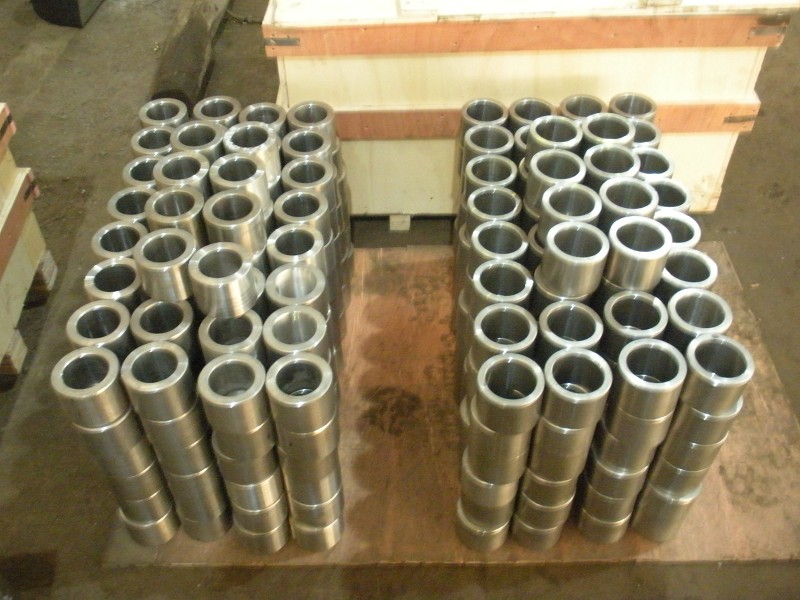
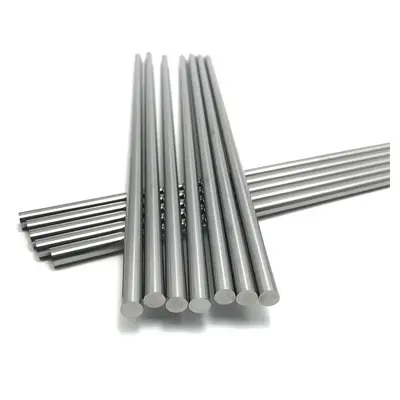
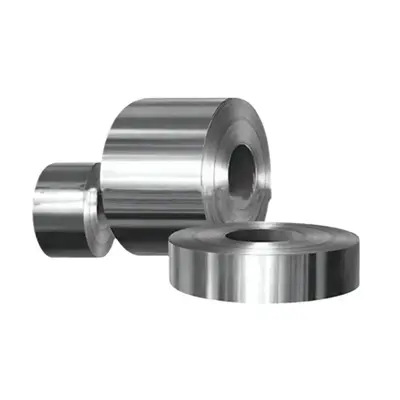
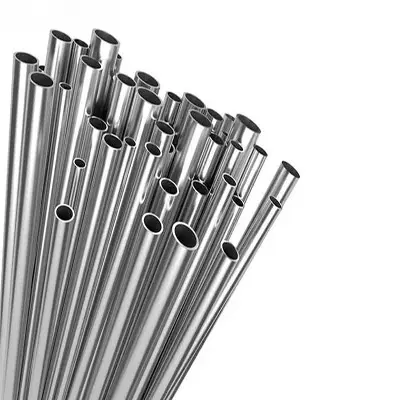
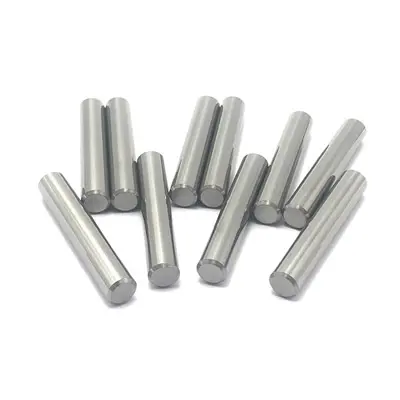
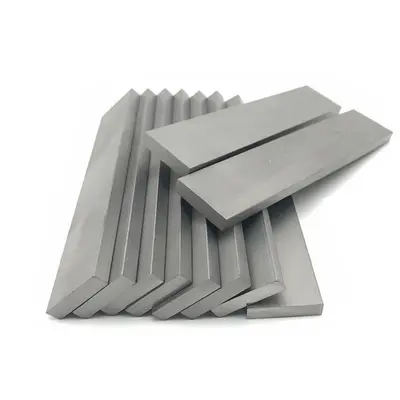
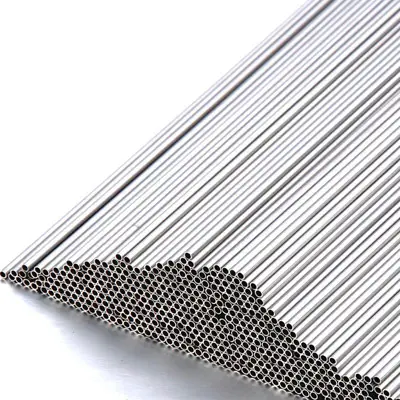
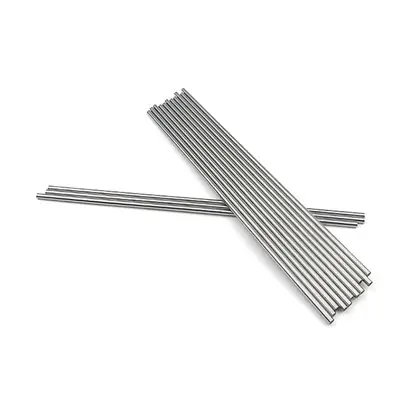
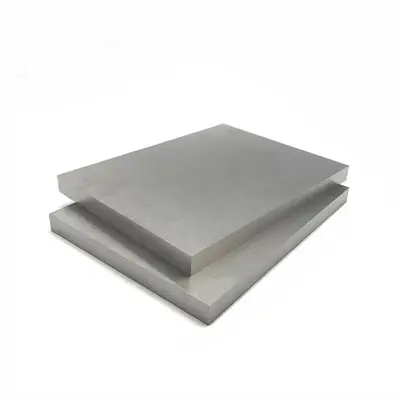
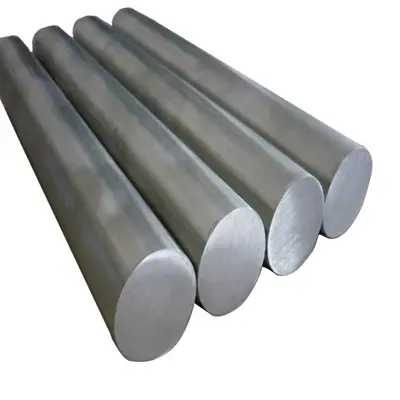
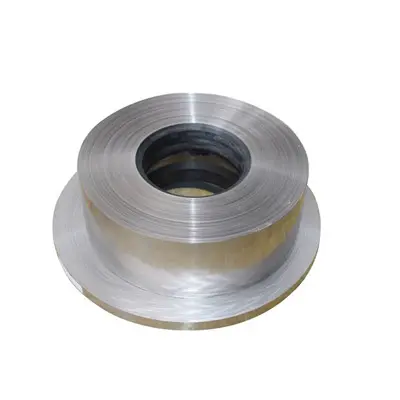
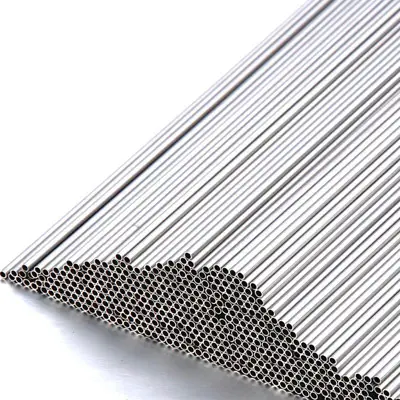
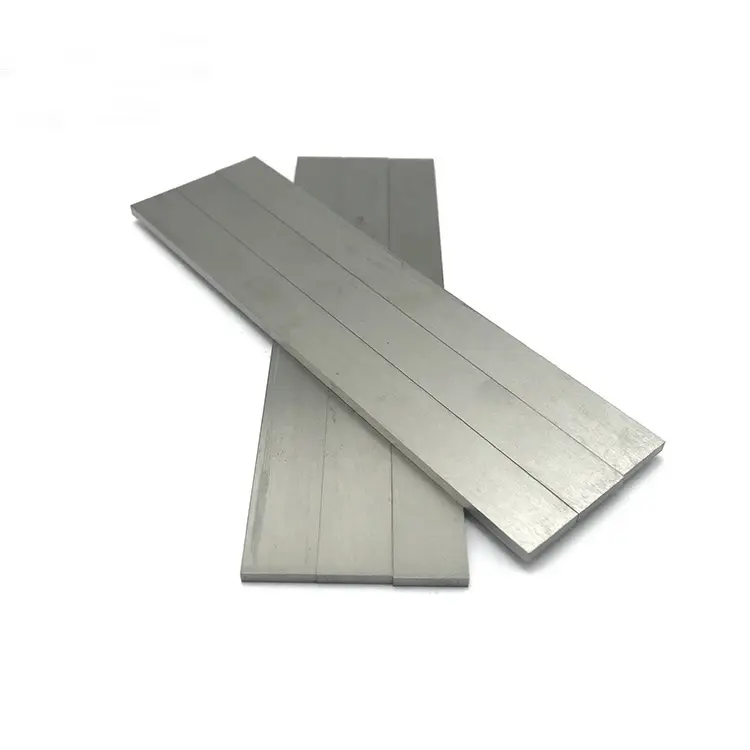
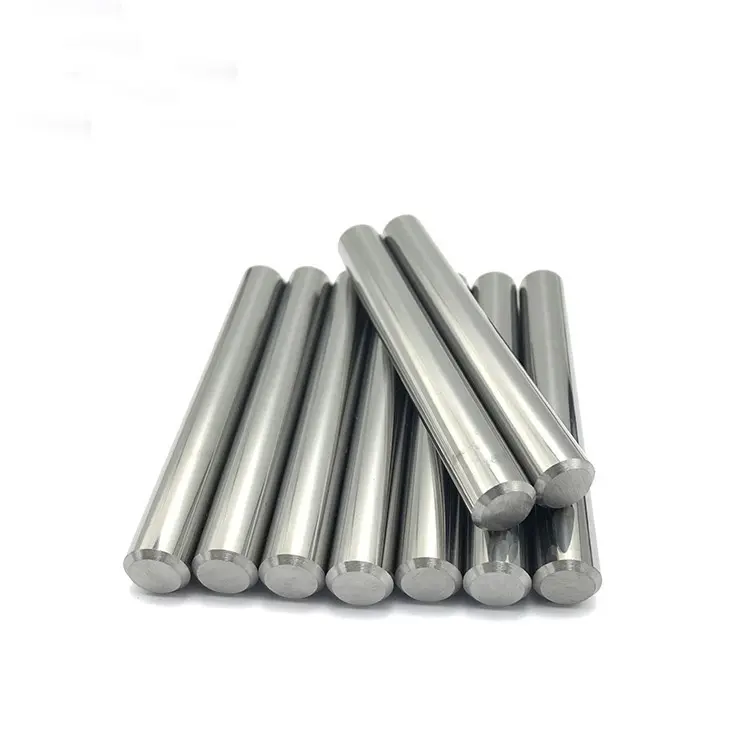
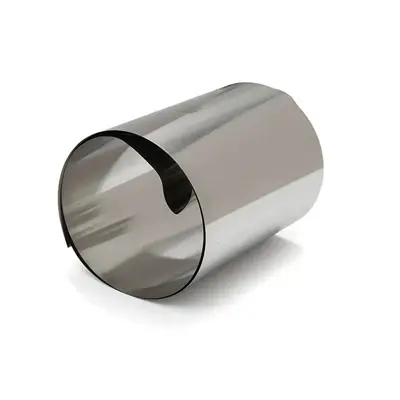
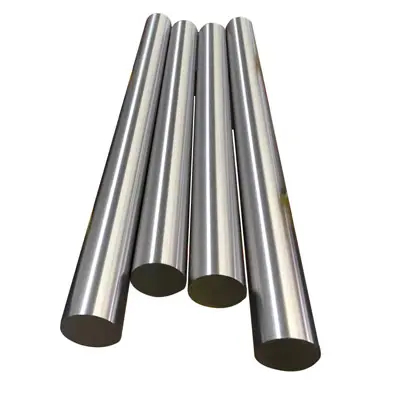
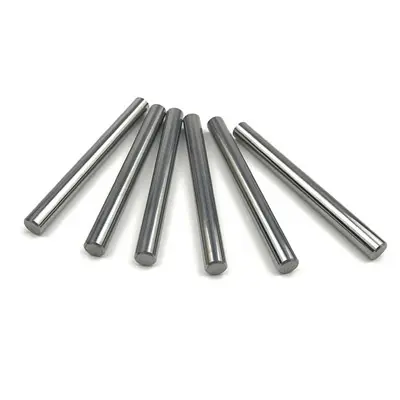
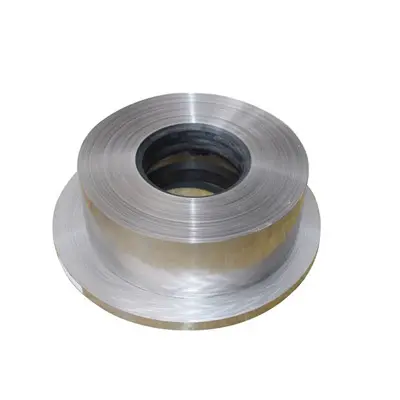
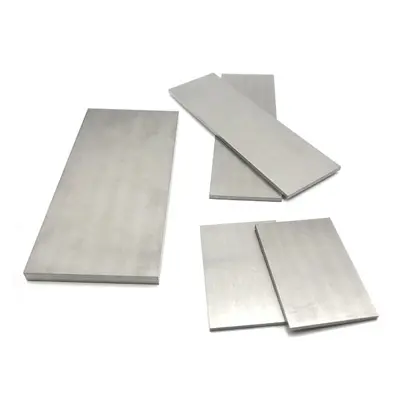
Hastelloy X is a nickel–chromium–iron–molybdenum solid‑solution superalloy known for its remarkable high‑temperature strength, oxidation resistance, and fabricability. At JXalloys, we supply custom Hastelloy X in plates, bars, rods, coils, wires, and pipe—engineered for gas‑turbine, petrochemical, and furnace applications.
What Is Hastelloy X?
Hastelloy X is a wrought nickel‑base alloy with nominal composition: Ni remainder; Cr 20.5–23 %; Fe 17–20 %; Mo 8–10 %; Co 0.5–2.5 %; W 0.2–1 %; plus minor Mn, Si, Ti, Al, C, P, S, B.
Specifications & Parameters
? Critical Notes & Variability Factors
Compositional Ranges:
Minor elements (e.g., Al ≤0.50%, Ti ≤0.15%) vary by standard; nuclear/aerospace grades enforce stricter controls.
Iron content (17–20%) is higher than typical Ni-based alloys, enhancing cost-effectiveness while maintaining performance.
Mechanical Property Discrepancies:
Strength/Elongation: Higher tensile/yield values (e.g., UTS 760 MPa) reflect optimized processing or AMS specifications; ASTM minima are conservative.
High-Temp Data: Stress rupture strength drops to ~40 MPa at 980°C; creep accelerates above 900°C.
Fabrication Constraints:
Welding: Low heat input (≤100°C interpass temp) prevents cracking; post-weld annealing required for severe corrosive service.
Oxide Removal: Surface oxides adhere strongly; grit blasting or electrochemical polishing recommended.
3D Printing Compatibility:
Powder variants (15–150 µm) exhibit ≥98.5% sphericity and high flowability; layer thickness: 15–50 µm.
? Summary: Hastelloy® X excels in extreme heat (≤1080°C) with unmatched oxidation resistance and weldability, driven by its Ni-Cr-Mo-Fe matrix. Its niche dominance in aerospace combustors and industrial furnaces stems from balanced creep strength (e.g., 0.0003%/h at 870°C) and manufacturability. For nuclear/defense applications, consult AMS 5754 for enhanced traceability.
global price comparison
? Insights
China offers highly competitive pricing, with plate at $35/kg and bar as low as $18/kg—plus coil/wire from $10–20/kg in aerospace or bulk quantities.
Europe prices generally span $28–35/kg, depending on form and certification.
USA distributors quote around $30/kg for bars and tubes.
India shows higher pricing, at approximately $58/kg (~₹4,000/kg) across plates, bars, and tubes.
? Note: Prices vary with quantity, surface finish, certification (e.g., AMS 5754/572), and market conditions. For exact factory-direct quotes with MTCs and lead times, please contact MWalloys—usually within 24 hours.
Why Choose Hastelloy X?
Outstanding Oxidation Resistance: Forms tenacious oxide film up to 1200 °C.
High‑Temperature Strength: Maintains tensile strength > 700 MPa up to 816 °C (1500 °F).
Fabricability: Excellent weldability (GTAW, GMAW, SMAW) and formability with minimal cracking risk.
Corrosion and SCC Resistance: Good resistance to chloride stress‑corrosion cracking in petrochemical service.
Manufacturing & Forming
Hot Working: 1100–1220 °C; avoid excessive grain growth.
Cold Working: Improves strength; follow with solution annealing at 1177 °C (2150 °F).
Heat Treatment: Solution anneal at 1177 °C; rapid quench; optional aging at 650–870 °C for enhanced creep resistance.
Comparison with Similar Alloys
Welding Practices
Use matched filler (ERNiCrMo‑3), clean joint surfaces, and control heat input. Post‑weld annealing at 1177 °C is optional but can restore maximum corrosion resistance.
FAQs
1. What is the service temperature limit and oxidation behavior of Hastelloy X?
Hastelloy X maintains strength and excellent oxidation resistance up to approximately 1,200 °C (2,200 °F). In tests, furnace rolls made from X remained in good condition after 8,700 hours at 1,177 °C, demonstrating its high-temperature stability.
2. How resistant is Hastelloy X to carburization and nitriding?
The alloy shows superior resistance: after 100 hours in petroleum coke, it was the only tested material that showed no carburization. In ammonia/nitrogen atmospheres at high pressure, its nitride case was minimal—about ¼ the thickness of comparative alloys.
3. Is Hastelloy X susceptible to stress-corrosion cracking?
No. It exhibits exceptional SCC resistance in petrochemical and chloride-rich environments. Its homogenous solid-solution microstructure minimizes crack initiation pathways.
4. How weldable is Hastelloy X, and are heat treatments needed post-fabrication?
Very weldable. It accepts GTAW, GMAW, SMAW, and resistance welding. Hot work restoration steps are recommended but solution annealing isn't always required unless maximum corrosion resistance is critical.
5. What are the fatigue and tensile characteristics, including at elevated temperatures?
At room temperature, Hastelloy X has a tensile strength of ~755 MPa and yield ~385 MPa, with approximately 22% elongation. It also demonstrates robust high-cycle fatigue performance at 750 °C, especially when produced via advanced methods like laser-powder-bed fusion.
6. In which industrial sectors is Hastelloy X most commonly used?
Hastelloy X excels in:
Gas turbines: combustor liners, ducting, frames.
Industrial furnaces: trays, rolls, baskets, muffles enduring oxidizing/carburizing environments.
Petrochemical plants: heat exchangers, retorts in challenging atmospheres.
Authoritative References
- Hastelloy — Wikipedia
- Special Metals – HASTELLOY® X Technical Bulletin
- European Chemicals Agency — Substance Information: Nickel Alloys
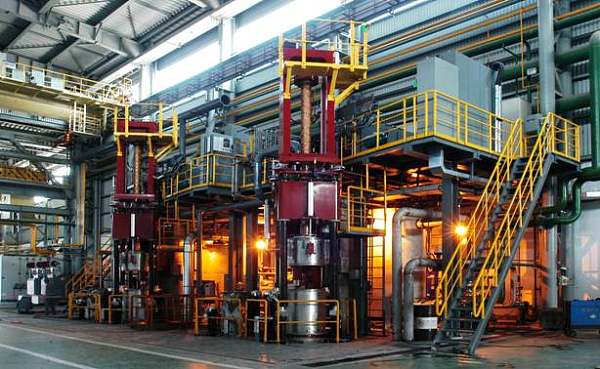
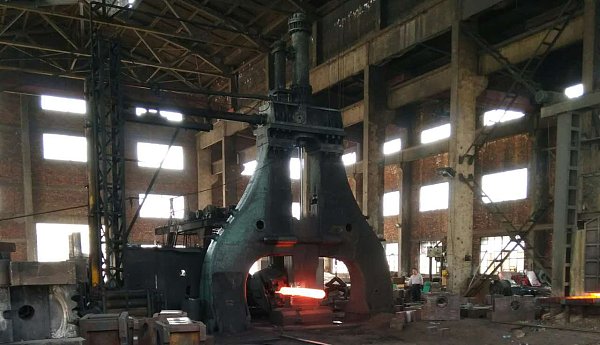
◉ Factory Show
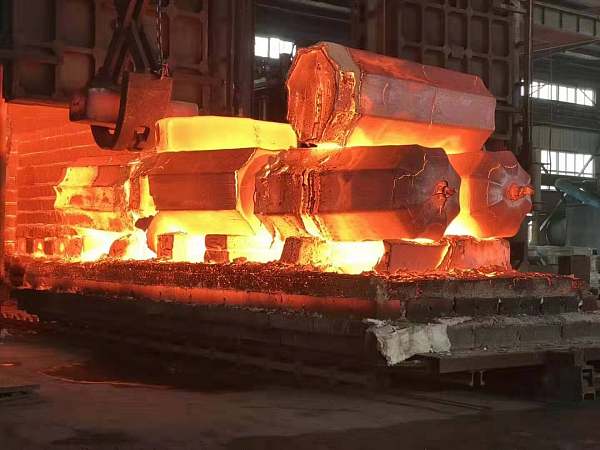
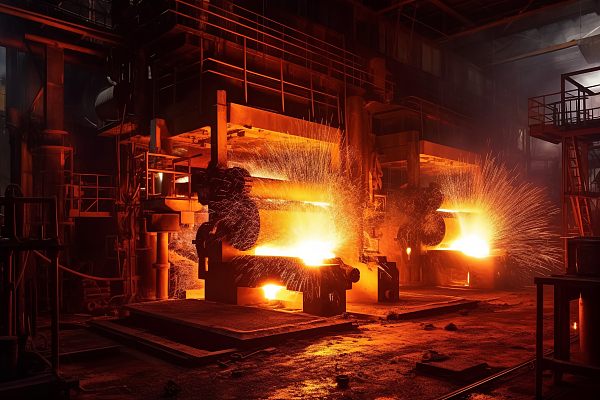
◉ MESSAGE
◉ SIMILAR RECOMMENDED
/ Supermendur /1J22/ Permendur/49КФ/AFK502/Co50V2") Hiperco 50 (1J22)/ Supermendur /1J22/ Permendur/49КФ/AFK502/Co50V2
Hiperco 50 (1J22)/ Supermendur /1J22/ Permendur/49КФ/AFK502/Co50V2/ Supermendur /1J22/ Permendur/49КФ/AFK502/Co50V2-1 Tube Pipe") Hiperco 50 Tube Pipe (1J22)/ Supermendur /1J22/ Permendur/49КФ/AFK502/Co50V2-1 Tube Pipe
Hiperco 50 Tube Pipe (1J22)/ Supermendur /1J22/ Permendur/49КФ/AFK502/Co50V2-1 Tube Pipe/ Supermendur /1J22/ Permendur/49КФ/AFK502/Co50V2-1 Bar Rod") Hiperco 50 Bar Rod (1J22)/ Supermendur /1J22/ Permendur/49КФ/AFK502/Co50V2-1 Bar Rod
Hiperco 50 Bar Rod (1J22)/ Supermendur /1J22/ Permendur/49КФ/AFK502/Co50V2-1 Bar Rod/Russia 50H/1J50 Strip Ring") NiFe Alloy 50 Strip Ring (1J50)/Russia 50H/1J50 Strip Ring
NiFe Alloy 50 Strip Ring (1J50)/Russia 50H/1J50 Strip Ring/Russia 50H/1J50 Tube Pipe") NiFe Alloy 50 Tube Pipe (1J50)/Russia 50H/1J50 Tube Pipe
NiFe Alloy 50 Tube Pipe (1J50)/Russia 50H/1J50 Tube Pipe/Russia 50H/1J50 Bar Rod") NiFe Alloy 50 Bar Rod (1J50)/Russia 50H/1J50 Bar Rod
NiFe Alloy 50 Bar Rod (1J50)/Russia 50H/1J50 Bar Rod/Russia 50H/1J50 Sheet Plate") NiFe Alloy 50 Sheet Plate (1J50)/Russia 50H/1J50 Sheet Plate
NiFe Alloy 50 Sheet Plate (1J50)/Russia 50H/1J50 Sheet Plate Su Permalloy 1J85 /UNS N14080,GB/T 32286.1-2015 Bar Tube Pipe Wire
 Su Permalloy 1J85 Tube Pipe /UNS N14080,GB/T 32286.1-2015 Tube Pipe
 Su Permalloy 1J85 Sheet Pipe /UNS N14080,GB/T 32286.1-2015 Sheet Pipe
 Su Permalloy 1J85 Bar Rod /UNS N14080 GB/T 32286.1-2015 Bar Rod
 Wire Strip /UNS N14080,GB/T 32286.1-2015 Wire Strip") Permalloy Alloy 80(1J79) Wire Strip /UNS N14080,GB/T 32286.1-2015 Wire Strip
Permalloy Alloy 80(1J79) Wire Strip /UNS N14080,GB/T 32286.1-2015 Wire Strip Tube Pipe /UNS N14080,GB/T 32286.1-2015 Tube Pipe") Permalloy Alloy 80(1J79) Tube Pipe /UNS N14080,GB/T 32286.1-2015 Tube Pipe
Permalloy Alloy 80(1J79) Tube Pipe /UNS N14080,GB/T 32286.1-2015 Tube Pipe Sheet Plate /UNS N14080,GB/T 32286.1-2015 Sheet Plate") Permalloy Alloy 80(1J79) Sheet Plate /UNS N14080,GB/T 32286.1-2015 Sheet Plate
Permalloy Alloy 80(1J79) Sheet Plate /UNS N14080,GB/T 32286.1-2015 Sheet Plate Bar Rod /UNS N14080,GB/T 32286.1-2015 Bar Rod") Permalloy Alloy 80(1J79) Bar Rod /UNS N14080,GB/T 32286.1-2015 Bar Rod
Permalloy Alloy 80(1J79) Bar Rod /UNS N14080,GB/T 32286.1-2015 Bar Rod 4J42 Ring Strip UNS K94100 /W. Nr.1.3917 ASTM F30 precision iron-nickel alloy Ring Strip
 4J42 Tube Pipe UNS K94100 /W. Nr.1.3917 ASTM F30 precision iron-nickel alloy Tube Pipe
 4J42 Bar Rod UNS K94100 /W. Nr.1.3917 ASTM F30 precision iron-nickel alloy Bar Rod
 4J42 UNS K94100 /W. Nr.1.3917 ASTM F30 precision iron-nickel alloy
 Super Invar 32-5/4J32/K93500/Super Invar Tube Bar Rod Sheet
 Super Invar 32-5 Sheet Plate 4J32/K93500/Super Invar Sheet Plate
Thank you very much for writing to us. Please leave your message and contact information, we will reply to you within 24 hours.