MESSAGE
If you have any questions, please contact us and we will contact you as soon as possible.
‹
›
‹
›
◉ PRODUCT SPECIFICATION
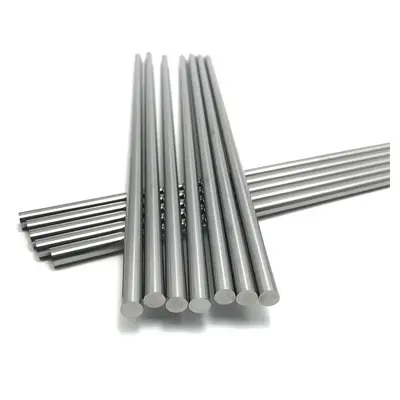
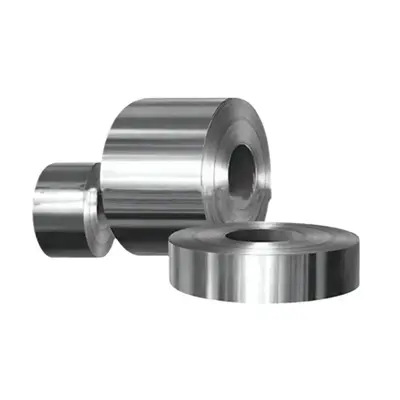
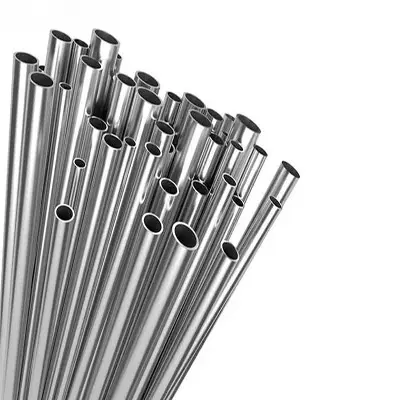
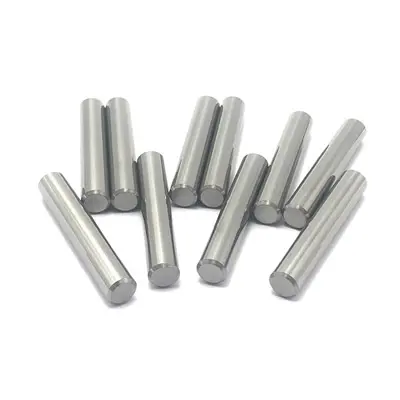
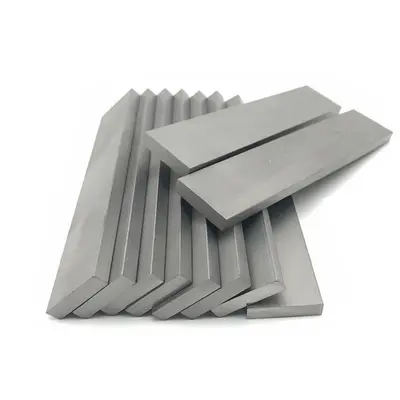
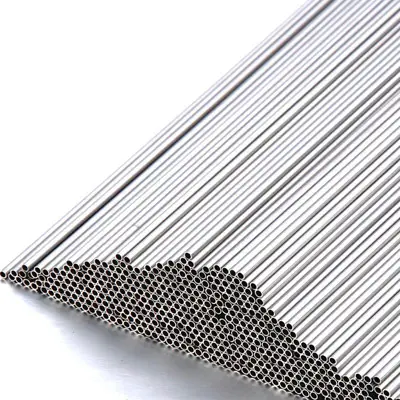
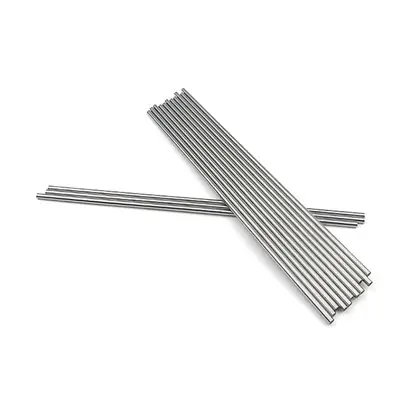
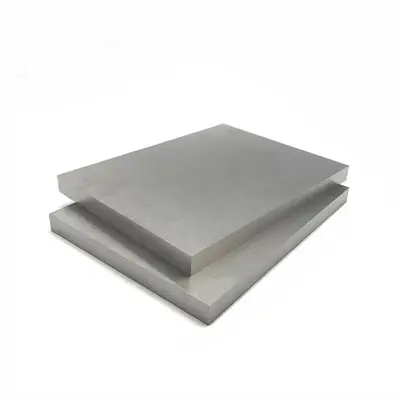
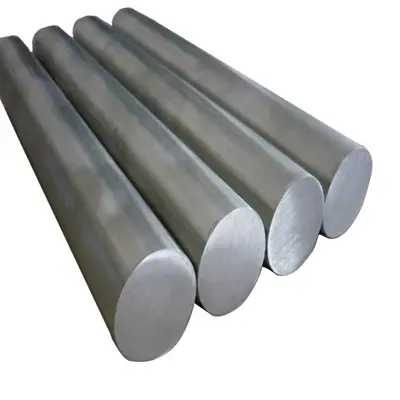
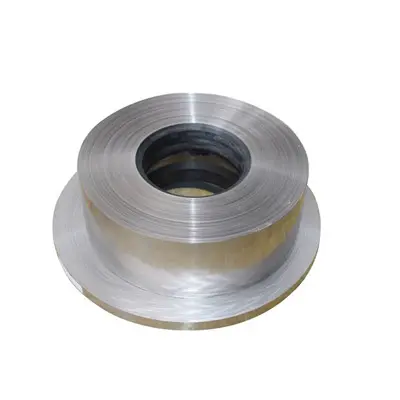
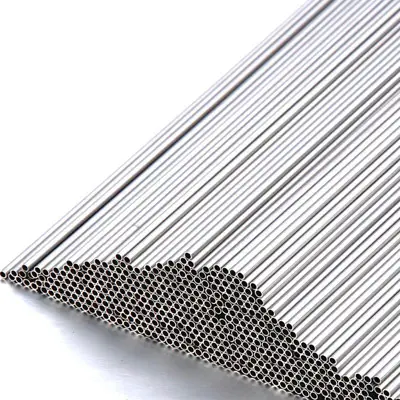
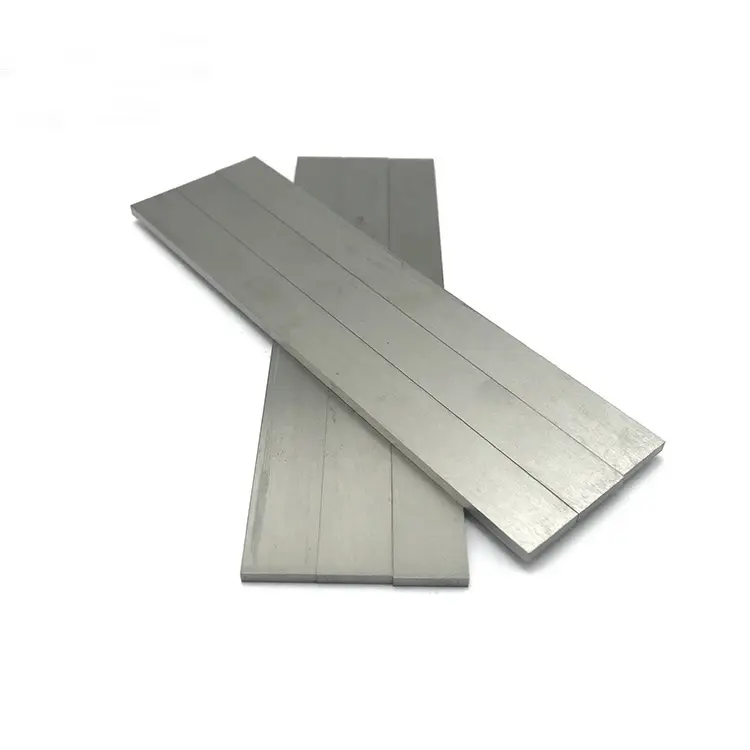
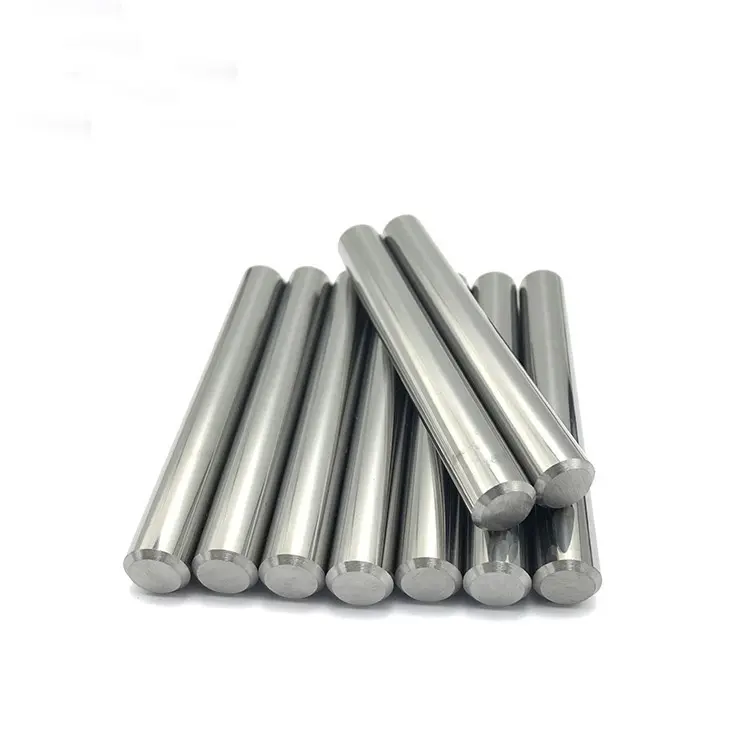
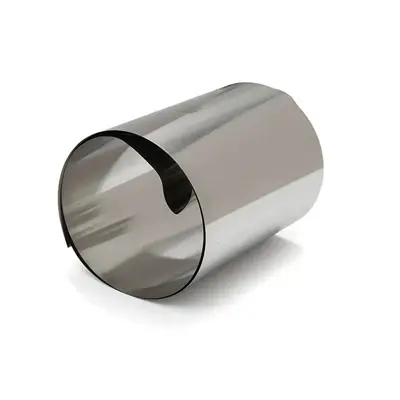
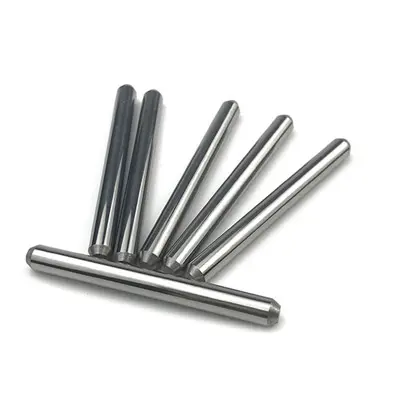
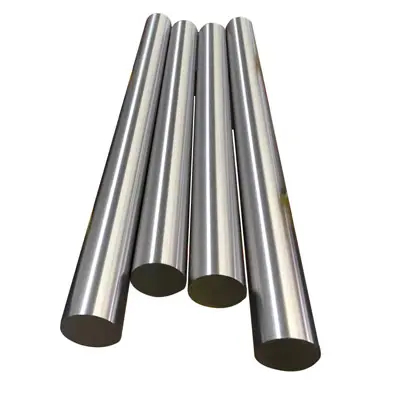
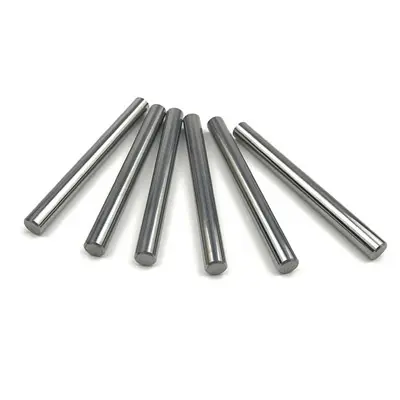
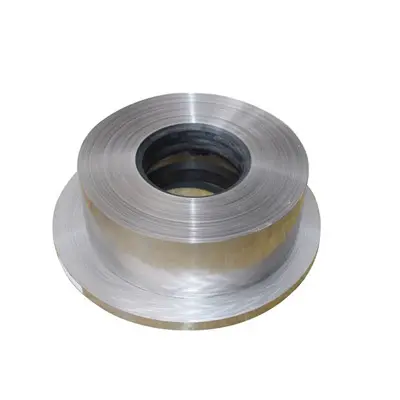
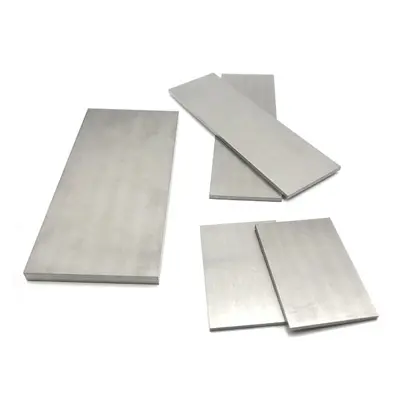
Hastelloy G‑30 is a nickel‑chromium‑iron superalloy engineered for outstanding resistance to “wet process” phosphoric acid (P₂O₅) and other oxidizing acids, while maintaining strength and durability in demanding chemical environments. At JXalloys, we supply custom G‑30 in plates, bars, rods, coils, wire, pipes, and covered electrodes—tailored to your process requirements.
What Is Hastelloy G‑30?
Hastelloy G‑30 (UNS N06030) is an evolution of Alloy G‑3, featuring higher chromium and additions of cobalt and tungsten for enhanced corrosion resistance in phosphoric, nitric, and other oxidizing acids.
Specifications & Parameters
? Critical Notes & Variability Factors
Mechanical Property Discrepancies:
Strength/Elongation: Industrial data (e.g., UTS 760–880 MPa) often exceeds ASTM minima (UTS ≥524 MPa). Higher values reflect optimized processing; ASTM values are conservative guarantees.
High-Temp Performance: Strength declines linearly with temperature (e.g., UTS drops 21% at 800°C vs. RT) but remains superior to standard stainless steels.
Corrosion Performance Highlights:
Acid Blends: Uniquely resistant to aggressive mixtures (e.g., HNO₃/HF), making it ideal for acid cleaning and metal refining.
Welding Integrity: Low carbon/niobium content prevents sensitization in weld zones—critical for nuclear/pressure applications.
Fabrication Constraints:
Cold Working: Requires 20–30% more power than 304 stainless due to higher work-hardening rate.
Thermal Stability: Prolonged exposure above 650°C may cause embrittlement; limit to 600°C for critical service.
Standards Compliance:
Nuclear/chemical grades enforce strict Co/W/Cu ratios to avoid corrosion hotspots.
? Summary: Hastelloy® G-30 combines extreme acid resistance with robust high-temp strength, outperforming most alloys in oxidizing/acidic environments. Its weldability and ASTM-standardized reliability make it indispensable for nuclear, chemical, and mineral processing. For project-specific validation, consult ASTM B581/B582 directly.
global price comparison
Key Sources & Notes:
China: Plate/sheet at US$20–21 /kg (min. 1 kg); bar/rod at US$28–35 /kg under ASTM B581.
India: Rod prices range $35–40 /kg (₹1,890–3,000/kg) for ASTM B581 round bars.
Europe & USA: Estimated distributor and mill‑stockist ranges, reflecting typical premiums for certified, low‑volume orders.
❓ Tip: For precise factory‑direct quotes (including certifications like ASTM B575/B581, material test certificates, and surface finish), contact MWalloys for a 24‑hour turnaround.
Why Choose G‑30?
Exceptional Acid Resistance: Outperforms most nickel‑ and iron‑base alloys in phosphoric, nitric, and mixed acids.
Stress‑Corrosion Cracking Resistance: Less susceptible than stainless steels under chloride deposits.
Balanced Mechanical Strength: High tensile and yield strength combined with modest ductility.
Versatile Forms: Available as plate, bar, rod, coil, wire, tube, and electrode.
Manufacturing & Forming Alloy G‑30
We offer G‑30 in hot‑rolled, cold‑rolled, and solution‐annealed conditions. Typical fabrication guidelines:
Hot Working: 1,050–1,200 °C.
Cold Working: Increases strength; follow with solution anneal (1,200–1,250 °C).
Machining: Use rigid tooling and moderate feeds to manage work‑hardening.
Comparison with Similar Alloys
Welding Practices
G‑30 welds via GTAW or GMAW using matching electrodes. Recommendations:
Preheat: Not required.
Interpass: < 150 °C.
Post‑weld: Solution anneal at 1,200 °C if service in severe acid environments.
FAQs
What makes Hastelloy® G‑30 especially resistant to “wet process” phosphoric acid?
G‑30’s high chromium content (30 wt %) forms a stable passive film that limits attack in 30–54 % P₂O₅ at 121 °C. It outperforms G‑3 and even Alloy 625 in these conditions, showing corrosion rates 2–10× lower than comparative alloys.
How does G‑30 perform in other oxidizing acids (e.g., nitric, sulfuric)?
Beyond phosphoric acid, G‑30 resists nitric and sulfuric acid mixtures thanks to added cobalt and tungsten—which enhance passivation—and molybdenum plus copper for localized attack resistance.
Is Hastelloy G‑30 susceptible to chloride-induced stress‑corrosion cracking?
No. G‑30 shows substantially lower cracking than austenitic stainless steels under ASTM G36 boiling magnesium‑chloride tests. Its nickel‑chromium matrix and lack of detrimental grain‑boundary precipitates in the as‑welded condition minimize SCC risk.
Can G‑30 be welded without losing corrosion resistance?
Yes. G‑30 welds via GTAW/GMAW with matching covered electrodes or wire. Its resistance to grain‑boundary precipitates in the weld‑heat‑affected zone means post‑weld annealing is typically unnecessary, even for critical acid services.
What industrial applications benefit most from Hastelloy G‑30?
Phosphoric acid evaporator tubes in fertilizer plants.
Nitric/hydrofluoric pickling hardware for stainless steel.
Heat‑exchanger tubing in mixed‑acid environments.
Furnace baskets and trays for oxidizing acids.
These uses leverage G‑30’s unique blend of strength, weldability, and superior resistance to highly oxidizing media.
References
- European Chemicals Agency — Substance Information: Nickel Alloys
- Nickel Institute — Hastelloy G‑30 Technical Data Sheet
- Hastelloy — Wikipedia
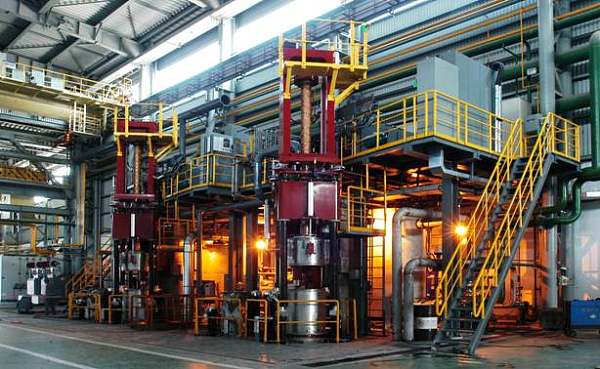
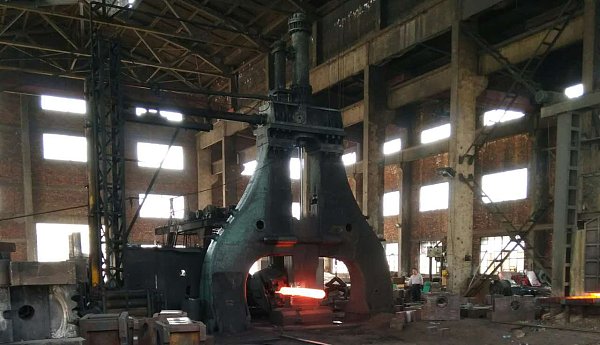
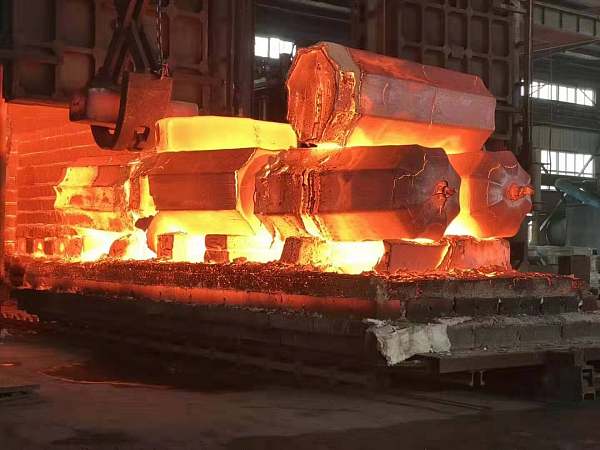
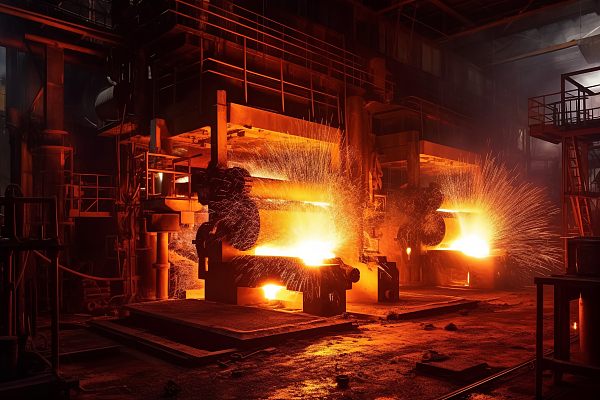
◉ Factory Show
◉ MESSAGE
◉ SIMILAR RECOMMENDED
/ Supermendur /1J22/ Permendur/49КФ/AFK502/Co50V2") Hiperco 50 (1J22)/ Supermendur /1J22/ Permendur/49КФ/AFK502/Co50V2
Hiperco 50 (1J22)/ Supermendur /1J22/ Permendur/49КФ/AFK502/Co50V2/ Supermendur /1J22/ Permendur/49КФ/AFK502/Co50V2-1 Tube Pipe") Hiperco 50 Tube Pipe (1J22)/ Supermendur /1J22/ Permendur/49КФ/AFK502/Co50V2-1 Tube Pipe
Hiperco 50 Tube Pipe (1J22)/ Supermendur /1J22/ Permendur/49КФ/AFK502/Co50V2-1 Tube Pipe/ Supermendur /1J22/ Permendur/49КФ/AFK502/Co50V2-1 Bar Rod") Hiperco 50 Bar Rod (1J22)/ Supermendur /1J22/ Permendur/49КФ/AFK502/Co50V2-1 Bar Rod
Hiperco 50 Bar Rod (1J22)/ Supermendur /1J22/ Permendur/49КФ/AFK502/Co50V2-1 Bar Rod/Russia 50H/1J50 Strip Ring") NiFe Alloy 50 Strip Ring (1J50)/Russia 50H/1J50 Strip Ring
NiFe Alloy 50 Strip Ring (1J50)/Russia 50H/1J50 Strip Ring/Russia 50H/1J50 Tube Pipe") NiFe Alloy 50 Tube Pipe (1J50)/Russia 50H/1J50 Tube Pipe
NiFe Alloy 50 Tube Pipe (1J50)/Russia 50H/1J50 Tube Pipe/Russia 50H/1J50 Bar Rod") NiFe Alloy 50 Bar Rod (1J50)/Russia 50H/1J50 Bar Rod
NiFe Alloy 50 Bar Rod (1J50)/Russia 50H/1J50 Bar Rod/Russia 50H/1J50 Sheet Plate") NiFe Alloy 50 Sheet Plate (1J50)/Russia 50H/1J50 Sheet Plate
NiFe Alloy 50 Sheet Plate (1J50)/Russia 50H/1J50 Sheet Plate Su Permalloy 1J85 /UNS N14080,GB/T 32286.1-2015 Bar Tube Pipe Wire
 Su Permalloy 1J85 Tube Pipe /UNS N14080,GB/T 32286.1-2015 Tube Pipe
 Su Permalloy 1J85 Sheet Pipe /UNS N14080,GB/T 32286.1-2015 Sheet Pipe
 Su Permalloy 1J85 Bar Rod /UNS N14080 GB/T 32286.1-2015 Bar Rod
 Wire Strip /UNS N14080,GB/T 32286.1-2015 Wire Strip") Permalloy Alloy 80(1J79) Wire Strip /UNS N14080,GB/T 32286.1-2015 Wire Strip
Permalloy Alloy 80(1J79) Wire Strip /UNS N14080,GB/T 32286.1-2015 Wire Strip Tube Pipe /UNS N14080,GB/T 32286.1-2015 Tube Pipe") Permalloy Alloy 80(1J79) Tube Pipe /UNS N14080,GB/T 32286.1-2015 Tube Pipe
Permalloy Alloy 80(1J79) Tube Pipe /UNS N14080,GB/T 32286.1-2015 Tube Pipe Sheet Plate /UNS N14080,GB/T 32286.1-2015 Sheet Plate") Permalloy Alloy 80(1J79) Sheet Plate /UNS N14080,GB/T 32286.1-2015 Sheet Plate
Permalloy Alloy 80(1J79) Sheet Plate /UNS N14080,GB/T 32286.1-2015 Sheet Plate Bar Rod /UNS N14080,GB/T 32286.1-2015 Bar Rod") Permalloy Alloy 80(1J79) Bar Rod /UNS N14080,GB/T 32286.1-2015 Bar Rod
Permalloy Alloy 80(1J79) Bar Rod /UNS N14080,GB/T 32286.1-2015 Bar Rod 4J42 Ring Strip UNS K94100 /W. Nr.1.3917 ASTM F30 precision iron-nickel alloy Ring Strip
 4J42 Tube Pipe UNS K94100 /W. Nr.1.3917 ASTM F30 precision iron-nickel alloy Tube Pipe
 4J42 Bar Rod UNS K94100 /W. Nr.1.3917 ASTM F30 precision iron-nickel alloy Bar Rod
 4J42 UNS K94100 /W. Nr.1.3917 ASTM F30 precision iron-nickel alloy
 Super Invar 32-5/4J32/K93500/Super Invar Tube Bar Rod Sheet
 Super Invar 32-5 Sheet Plate 4J32/K93500/Super Invar Sheet Plate
Thank you very much for writing to us. Please leave your message and contact information, we will reply to you within 24 hours.