MESSAGE
If you have any questions, please contact us and we will contact you as soon as possible.
‹
›
‹
›
◉ PRODUCT SPECIFICATION
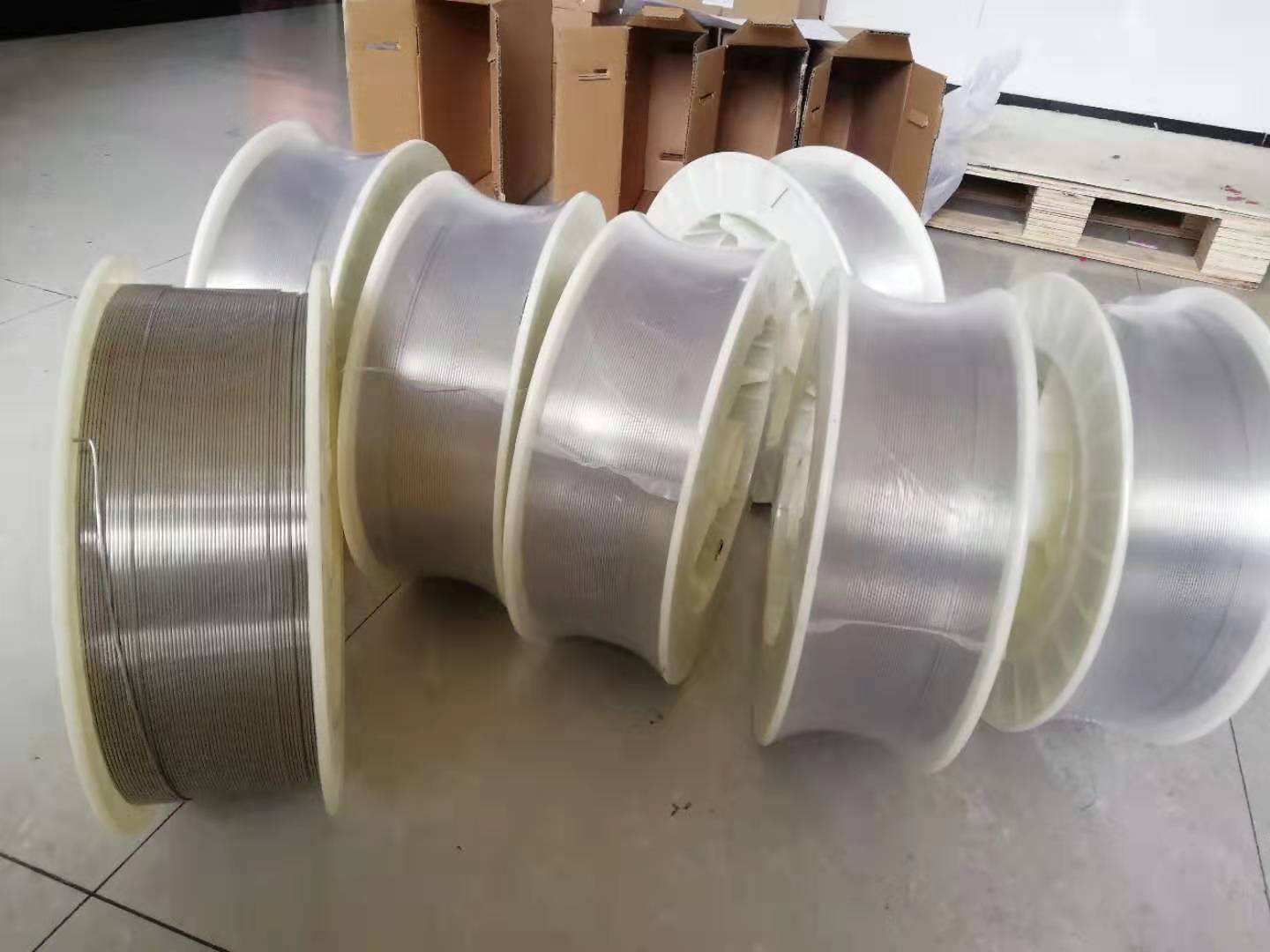
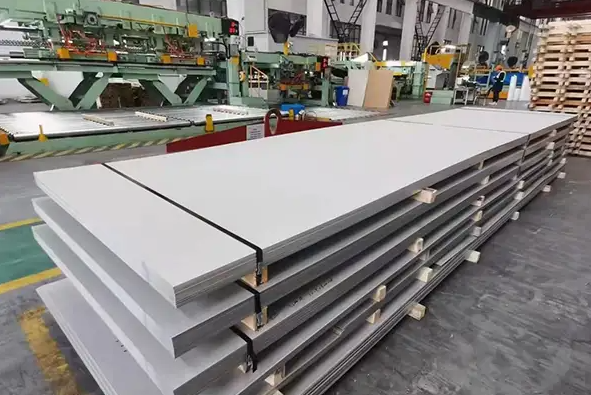
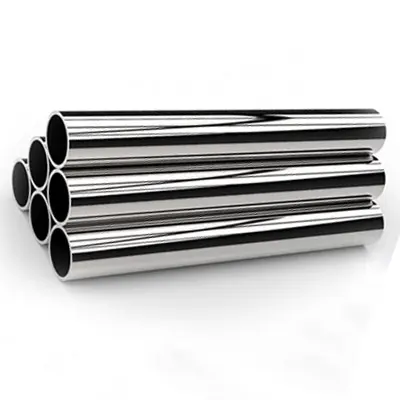
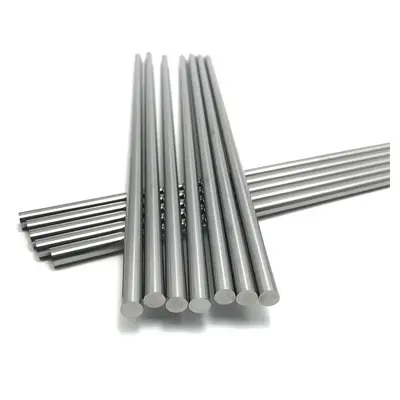
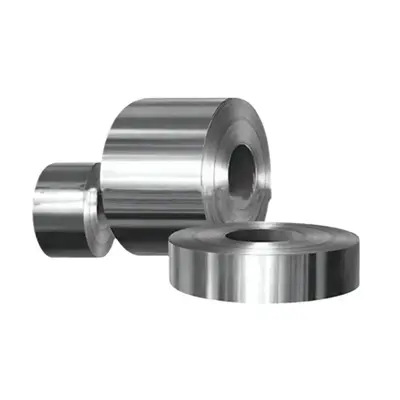
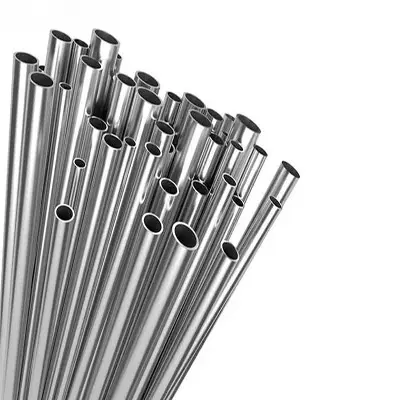
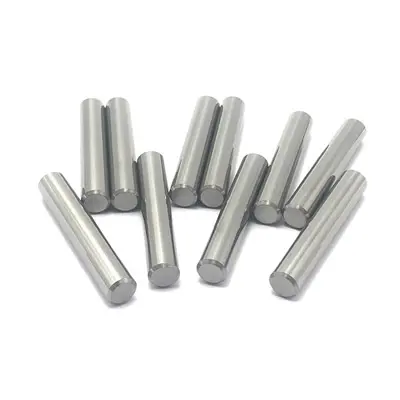
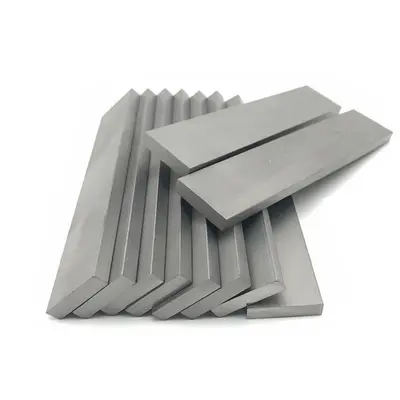
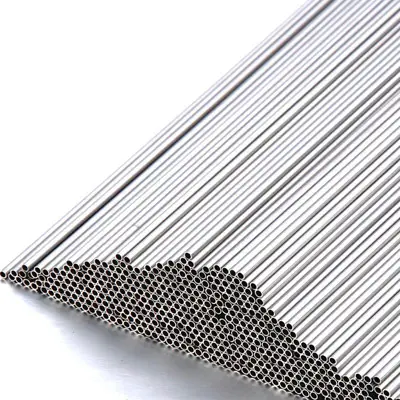
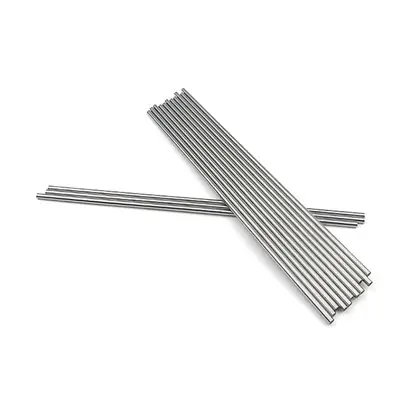
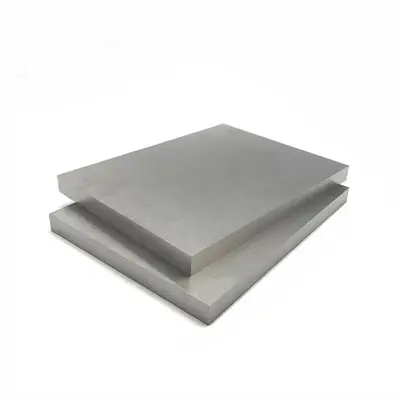
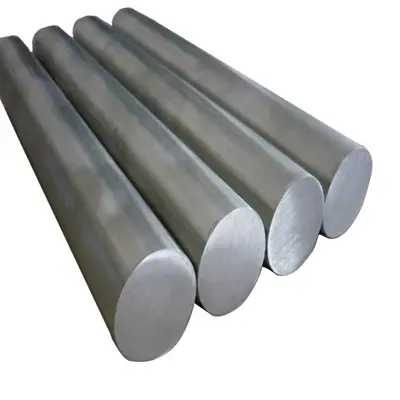
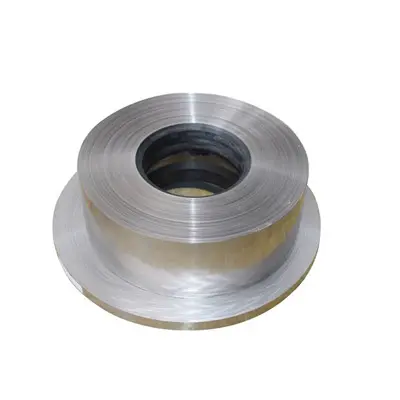
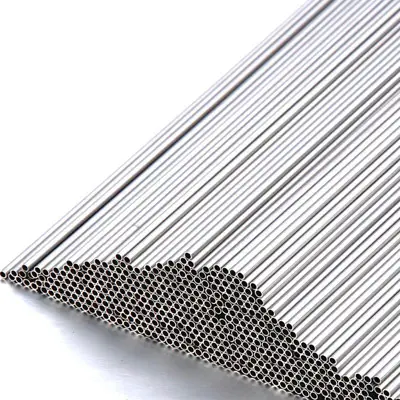
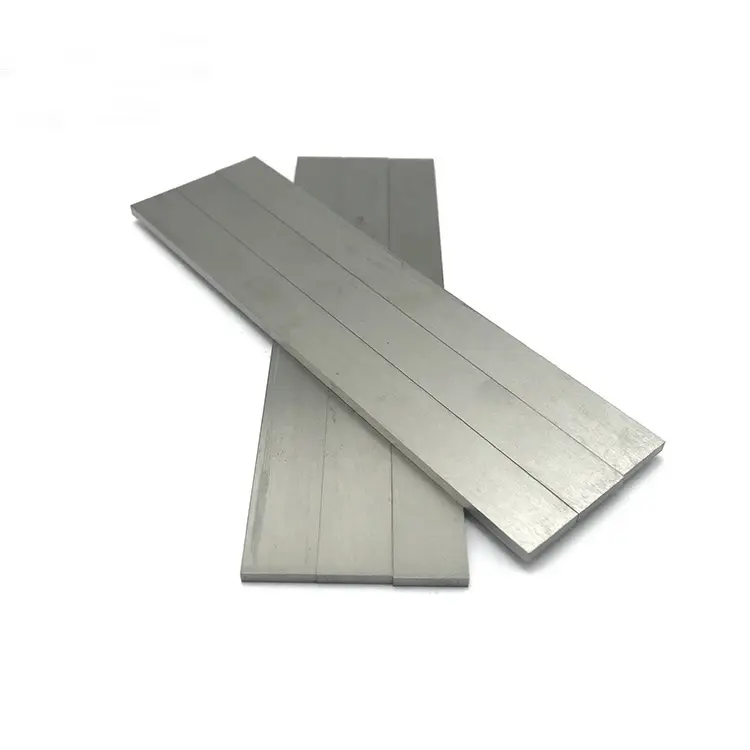
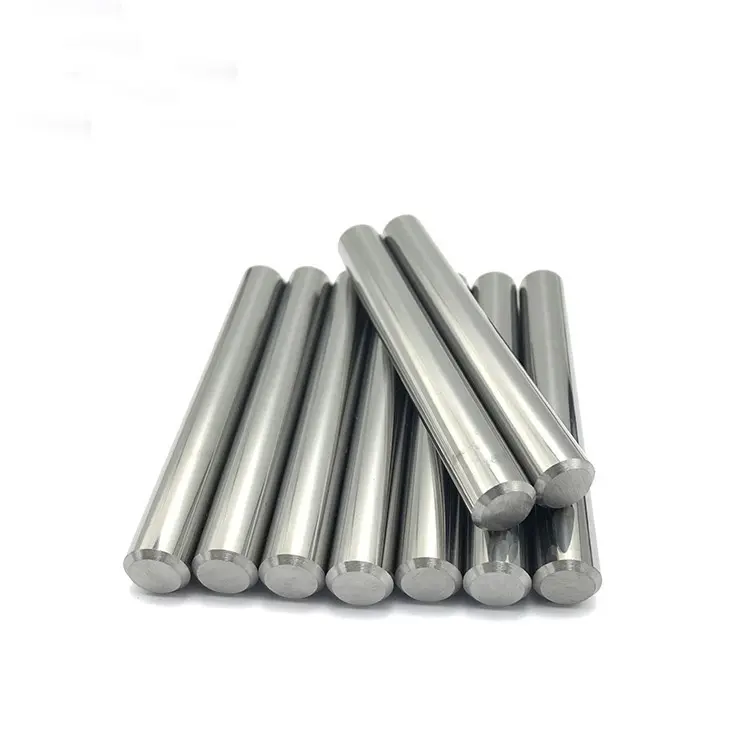
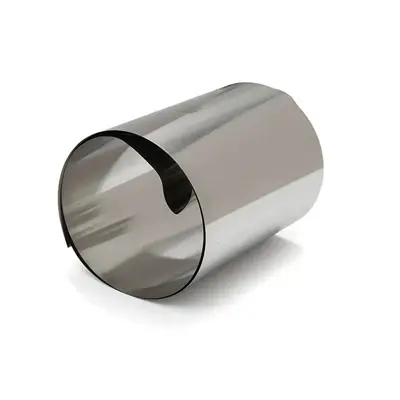
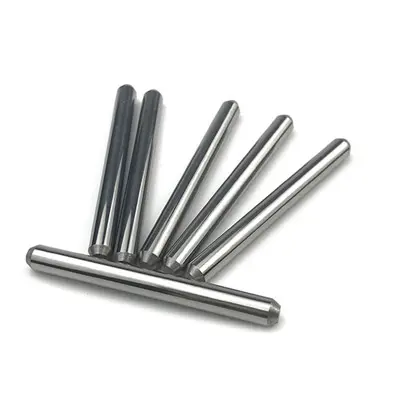
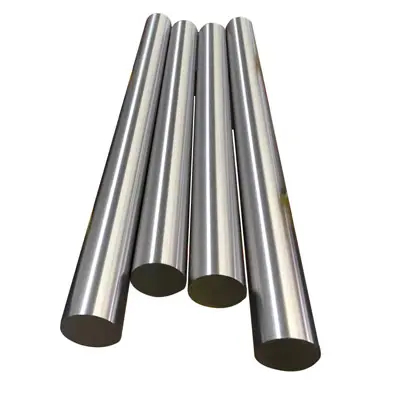
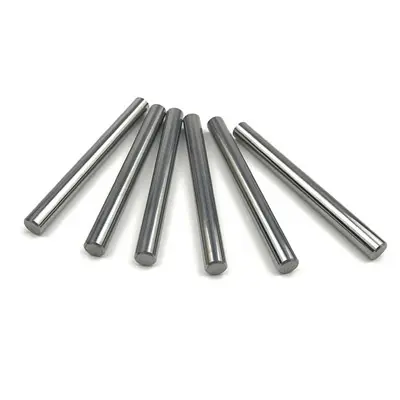
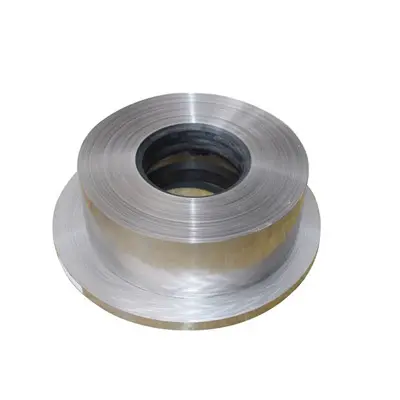
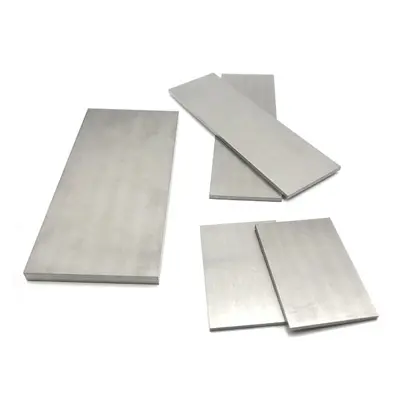
Hastelloy C‑4 is a low‑carbon, nickel‑chromium‑molybdenum superalloy renowned for its microstructural stability and exceptional resistance to both oxidizing and reducing acids—including hydrochloric and sulfuric—while withstanding chloride‑induced pitting and crevice corrosion. We at MWalloys supply custom C‑4 in plates, bars, rods, coils, wire, pipes, and welding consumables, tailored for the most aggressive chemical processes.
What Is Alloy C‑4?
Alloy C‑4 (UNS N06455, EN 2.4610) is the most microstructurally stable of the common Ni–Cr–Mo materials, developed to resist “sensitization” in weld heat‑affected zones. It tolerates harsh chemical environments without grain‑boundary precipitates that lead to intergranular attack.
Hastelloy® Alloy C-4 (UNS N06455) Full Specifications & Parameters
? Key Notes & Variability Sources
Compositional Limits:
Low C, Si, Fe, and absence of W are critical for thermal stability (650–1040°C) and resistance to sensitization.
Ti (≤0.7%) suppresses grain-boundary carbide precipitation in welded zones.
Property Discrepancies:
Density/Thermal Conductivity: Slight variations (8.64–8.94 g/cm³; 10.1–11.4 W/m·K) stem from processing methods and test temperatures.
Mechanical Strength: Minimum tensile/yield values are ASTM guarantees; typical industry reports show higher values (e.g., UTS up to 795 MPa).
Corrosion Performance Highlights:
Acid Blends: Uniquely resistant to HCl/HNO₃ mixtures and contaminated mineral acids due to balanced Cr/Mo.
Weld Integrity: Low C content prevents intergranular corrosion in as-welded conditions—critical for FGD systems.
Fabrication Constraints:
Heat Treatment: Avoid sulfur-bearing atmospheres (>0.1% S in fuel) to prevent embrittlement.
Thermal Exposure: Prolonged service above 400°C may reduce ductility; stress-relieve welds for >150°C applications.
? Summary: Hastelloy® C-4 excels in aggressive reducing/oxidizing environments (e.g., hot acids, chlorides) with unmatched thermal stability (≤1040°C). Its low-carbon Ni-Cr-Mo matrix ensures weldability without sensitization, making it indispensable for chemical, nuclear, and pollution-control equipment. For nuclear/aerospace grades, specify ASTM B574/B575 with supplementary testing.
Hastelloy C-4 Global Price Comparison (USD/kg & CNY/kg)
? Key Observations & Market Drivers
Regional Price Tiers
Asia (China & India): Lowest prices due to competitive domestic production (e.g., Shanghai Yehu, Guoni Heavy Industry) and lower logistics costs.
Europe & U.S.: 40–60% premium driven by strict certifications (ASTM/ASME/AMS), import tariffs, and compliance costs.
Product-Form Premiums
Wire > Coil > Bar > Plate: Processing complexity increases costs (e.g., wire requires multi-stage cold drawing).
Coil: Higher than plate due to continuous rolling/surface treatment but lower than wire.
Volume Discounts
China: 5–10% discount for orders ≥100 kg (e.g., coil drops to ¥150/kg).
Europe/U.S.: Limited discounts (3–5% for >1 ton) due to fixed compliance overheads.
Regional Nuances
India: Prices may exceed listed ranges due to import dependency (reliant on Chinese intermediates).
Europe: German brands (W.Nr. 2.4610) command 8–12% premium for nuclear/aerospace specs.
Why Choose C‑4?
HAZ Stability: Resists grain‑boundary precipitates even after welding, reducing sensitization risk.
Acid Resistance: Outperforms Alloy C‑276 in hydrochloric and sulfuric environments.
High‑Temperature Service: Maintains mechanical integrity up to 1,038 °C (1,900 °F).
Versatility: Available in wrought, welded, and clad forms—for maximum design freedom.
Manufacturing & Forming Alloy C‑4
Hot Working: Forge or roll between 955–1,177 °C; avoid over‑heating to prevent grain growth.
Cold Working: Strengthens the alloy; follow with solution anneal at 1,066 °C (1,950 °F) for 10–30 min, then quench.
Welding: Compatible with ENiCrMo‑7 electrodes or ERNiCrMo‑7 wire; good weldability without post‑weld anneal.
Machinability: Moderate; use rigid tooling and moderate speeds to manage work‑hardening.
Comparison with Similar Alloys
Welding Practices
Use GTAW/GMAW with ENiCrMo‑7. Maintain interpass < 150 °C; no post‑weld annealing is needed for general service, though solution treat benefits extreme acid duties.
FAQS
1. Why is Hastelloy C‑4 considered microstructurally stable after welding?
Hastelloy C‑4 resists grain-boundary precipitation (like M₆C or sigma phases) even under high heat, making it safe for welding without fear of sensitization. This stability minimizes intergranular corrosion in the HAZ, a common issue for C‑276 and stainless steels.
2. What acids and corrosive environments can C‑4 withstand?
It remains resistant to both oxidizing and reducing acids—including hydrochloric, sulfuric, formic, and acetic—as well as chloride-containing atmospheres and seawater. Critical testing shows its corrosion resistance surpasses many Ni–Cr–Mo alloys.
3. Can Hastelloy C‑4 be used at high temperatures without degrading?
Yes. C‑4 retains structural stability and ductility up to ~1,038 °C (1,900 °F). It does not form detrimental intermetallic phases (like sigma or mu) even after prolonged exposure in the 649–1,038 °C range.
4. Is Hastelloy C‑4 susceptible to stress-corrosion cracking (SCC)?
No. Hastelloy C‑4 exhibits excellent resistance to chloride-induced SCC and is routinely specified for stress-corrosive environments where stainless steels would fail.
5. How should C‑4 be welded to ensure performance?
Recommended practices include using GTAW/GMAW with ERNiCrMo‑7 filler, maintaining low interpass temperatures (<150 °C), and ensuring cleanliness before welding. No post-weld annealing is generally necessary, thanks to its weld-stable microstructure.
6. What makes C‑4 machinable and formable?
While it work-hardens more quickly than stainless steel, C‑4 is still fairly machinable using rigid tooling and controlled speeds. Additionally, it can be hot forged (955–1,177 °C) or cold formed without losing corrosion resistance. When needed, solution annealing (1,066 °C, water-quenched) can be used to restore ductility.
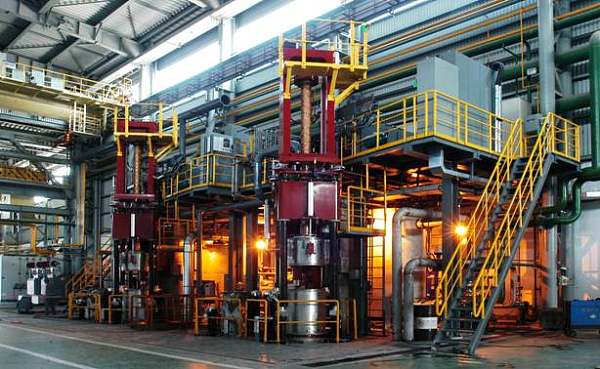
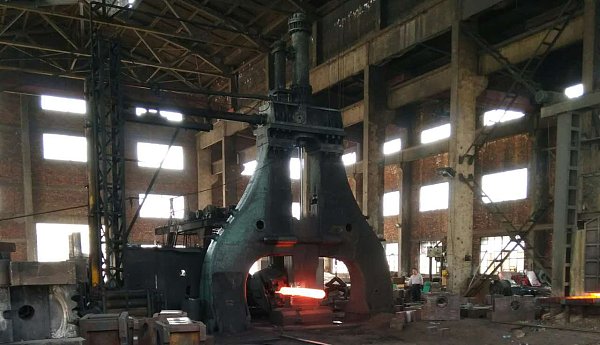
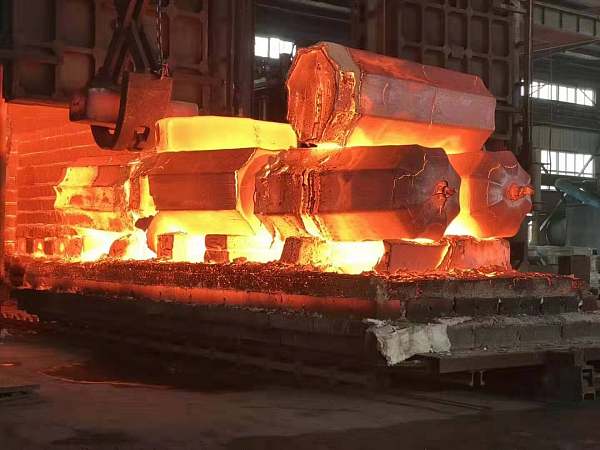
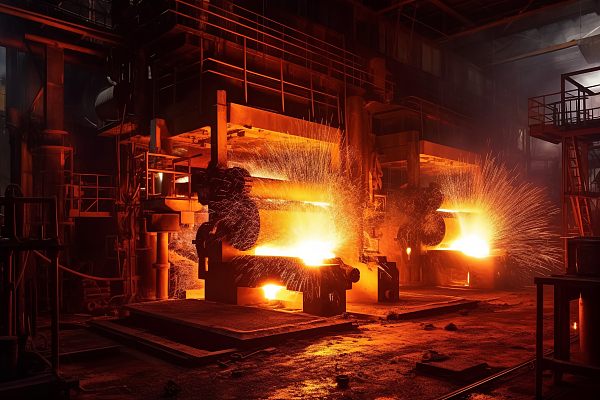
◉ Factory Show
◉ MESSAGE
◉ SIMILAR RECOMMENDED
/ Supermendur /1J22/ Permendur/49КФ/AFK502/Co50V2") Hiperco 50 (1J22)/ Supermendur /1J22/ Permendur/49КФ/AFK502/Co50V2
Hiperco 50 (1J22)/ Supermendur /1J22/ Permendur/49КФ/AFK502/Co50V2/ Supermendur /1J22/ Permendur/49КФ/AFK502/Co50V2-1 Tube Pipe") Hiperco 50 Tube Pipe (1J22)/ Supermendur /1J22/ Permendur/49КФ/AFK502/Co50V2-1 Tube Pipe
Hiperco 50 Tube Pipe (1J22)/ Supermendur /1J22/ Permendur/49КФ/AFK502/Co50V2-1 Tube Pipe/ Supermendur /1J22/ Permendur/49КФ/AFK502/Co50V2-1 Bar Rod") Hiperco 50 Bar Rod (1J22)/ Supermendur /1J22/ Permendur/49КФ/AFK502/Co50V2-1 Bar Rod
Hiperco 50 Bar Rod (1J22)/ Supermendur /1J22/ Permendur/49КФ/AFK502/Co50V2-1 Bar Rod/Russia 50H/1J50 Strip Ring") NiFe Alloy 50 Strip Ring (1J50)/Russia 50H/1J50 Strip Ring
NiFe Alloy 50 Strip Ring (1J50)/Russia 50H/1J50 Strip Ring/Russia 50H/1J50 Tube Pipe") NiFe Alloy 50 Tube Pipe (1J50)/Russia 50H/1J50 Tube Pipe
NiFe Alloy 50 Tube Pipe (1J50)/Russia 50H/1J50 Tube Pipe/Russia 50H/1J50 Bar Rod") NiFe Alloy 50 Bar Rod (1J50)/Russia 50H/1J50 Bar Rod
NiFe Alloy 50 Bar Rod (1J50)/Russia 50H/1J50 Bar Rod/Russia 50H/1J50 Sheet Plate") NiFe Alloy 50 Sheet Plate (1J50)/Russia 50H/1J50 Sheet Plate
NiFe Alloy 50 Sheet Plate (1J50)/Russia 50H/1J50 Sheet Plate Su Permalloy 1J85 /UNS N14080,GB/T 32286.1-2015 Bar Tube Pipe Wire
 Su Permalloy 1J85 Tube Pipe /UNS N14080,GB/T 32286.1-2015 Tube Pipe
 Su Permalloy 1J85 Sheet Pipe /UNS N14080,GB/T 32286.1-2015 Sheet Pipe
 Su Permalloy 1J85 Bar Rod /UNS N14080 GB/T 32286.1-2015 Bar Rod
 Wire Strip /UNS N14080,GB/T 32286.1-2015 Wire Strip") Permalloy Alloy 80(1J79) Wire Strip /UNS N14080,GB/T 32286.1-2015 Wire Strip
Permalloy Alloy 80(1J79) Wire Strip /UNS N14080,GB/T 32286.1-2015 Wire Strip Tube Pipe /UNS N14080,GB/T 32286.1-2015 Tube Pipe") Permalloy Alloy 80(1J79) Tube Pipe /UNS N14080,GB/T 32286.1-2015 Tube Pipe
Permalloy Alloy 80(1J79) Tube Pipe /UNS N14080,GB/T 32286.1-2015 Tube Pipe Sheet Plate /UNS N14080,GB/T 32286.1-2015 Sheet Plate") Permalloy Alloy 80(1J79) Sheet Plate /UNS N14080,GB/T 32286.1-2015 Sheet Plate
Permalloy Alloy 80(1J79) Sheet Plate /UNS N14080,GB/T 32286.1-2015 Sheet Plate Bar Rod /UNS N14080,GB/T 32286.1-2015 Bar Rod") Permalloy Alloy 80(1J79) Bar Rod /UNS N14080,GB/T 32286.1-2015 Bar Rod
Permalloy Alloy 80(1J79) Bar Rod /UNS N14080,GB/T 32286.1-2015 Bar Rod 4J42 Ring Strip UNS K94100 /W. Nr.1.3917 ASTM F30 precision iron-nickel alloy Ring Strip
 4J42 Tube Pipe UNS K94100 /W. Nr.1.3917 ASTM F30 precision iron-nickel alloy Tube Pipe
 4J42 Bar Rod UNS K94100 /W. Nr.1.3917 ASTM F30 precision iron-nickel alloy Bar Rod
 4J42 UNS K94100 /W. Nr.1.3917 ASTM F30 precision iron-nickel alloy
 Super Invar 32-5/4J32/K93500/Super Invar Tube Bar Rod Sheet
 Super Invar 32-5 Sheet Plate 4J32/K93500/Super Invar Sheet Plate
Thank you very much for writing to us. Please leave your message and contact information, we will reply to you within 24 hours.