
MESSAGE
If you have any questions, please contact us and we will contact you as soon as possible.
‹
›
‹
›
◉ PRODUCT SPECIFICATION
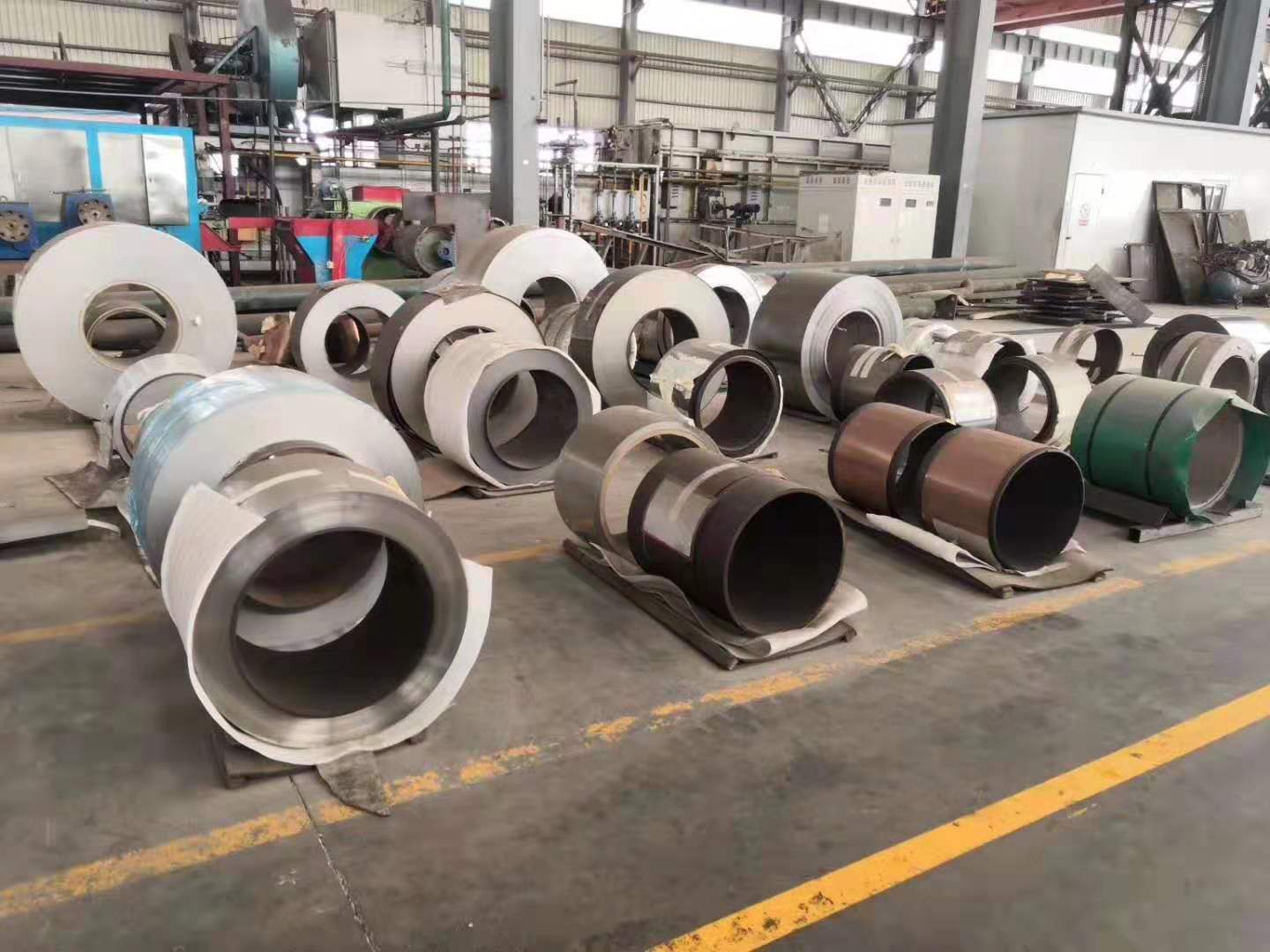
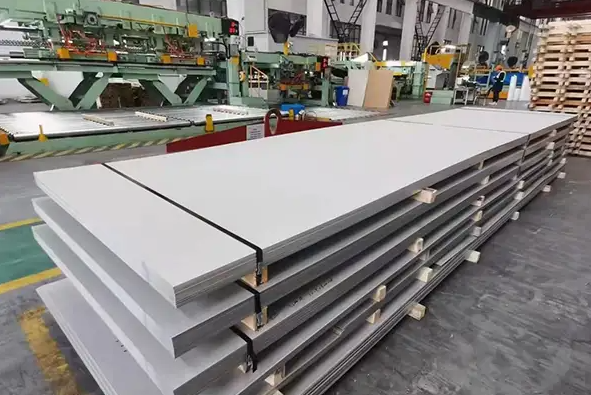
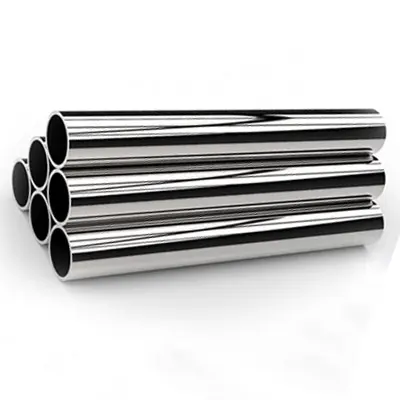
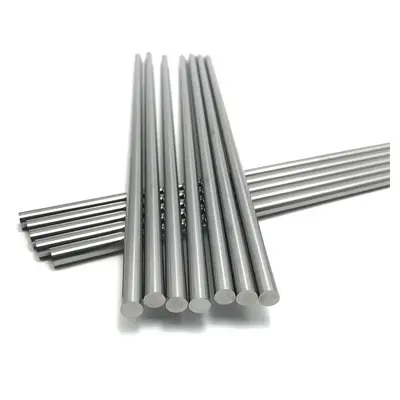
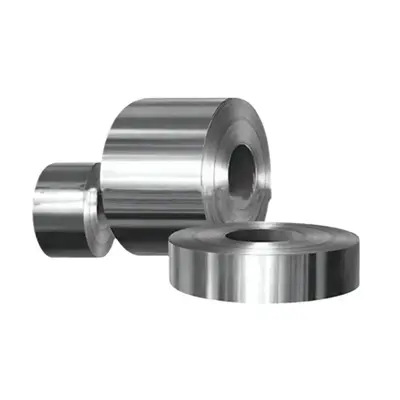
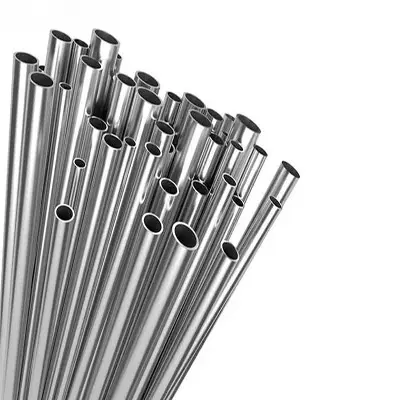
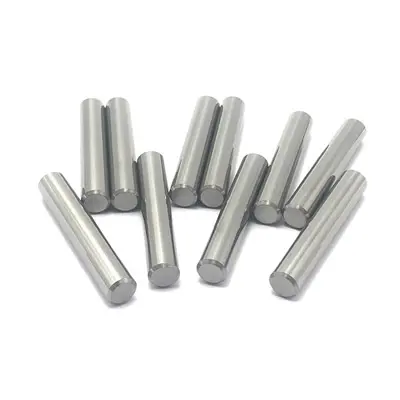
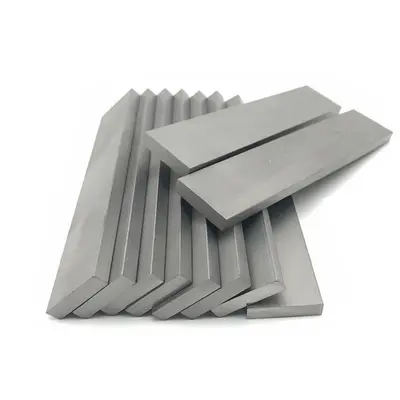
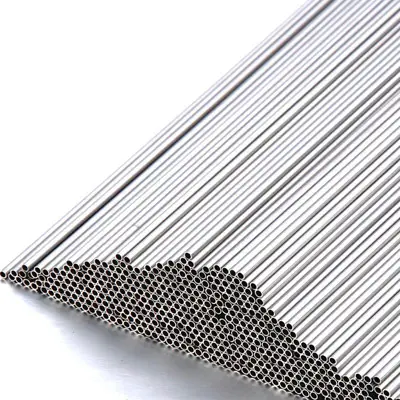
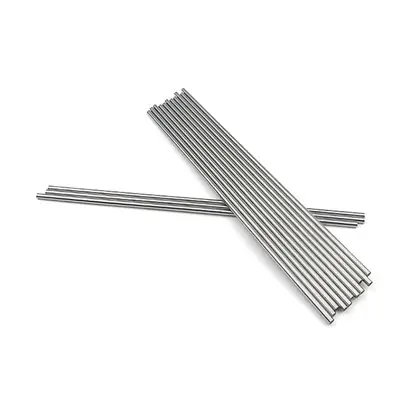
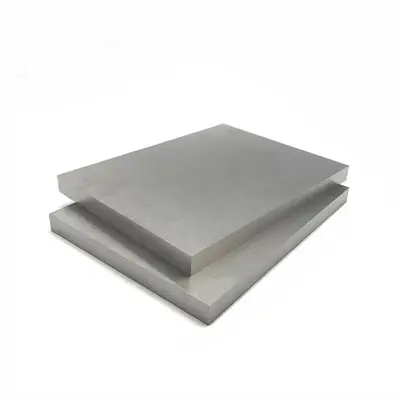
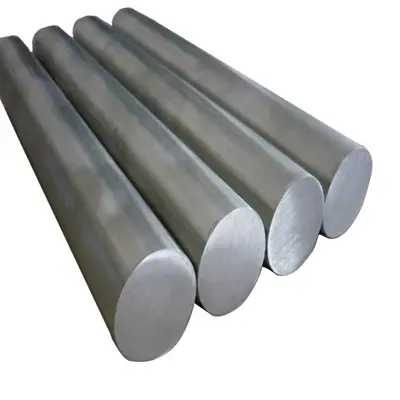
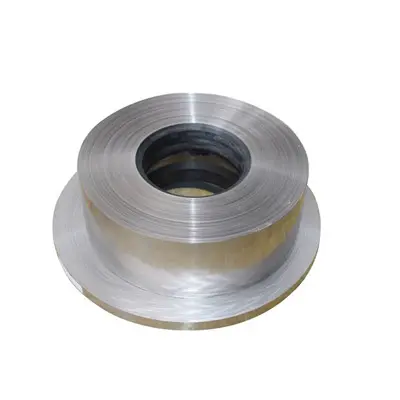
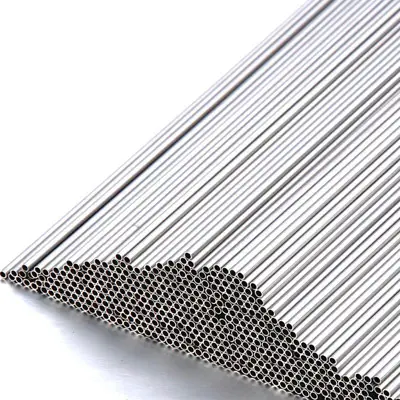
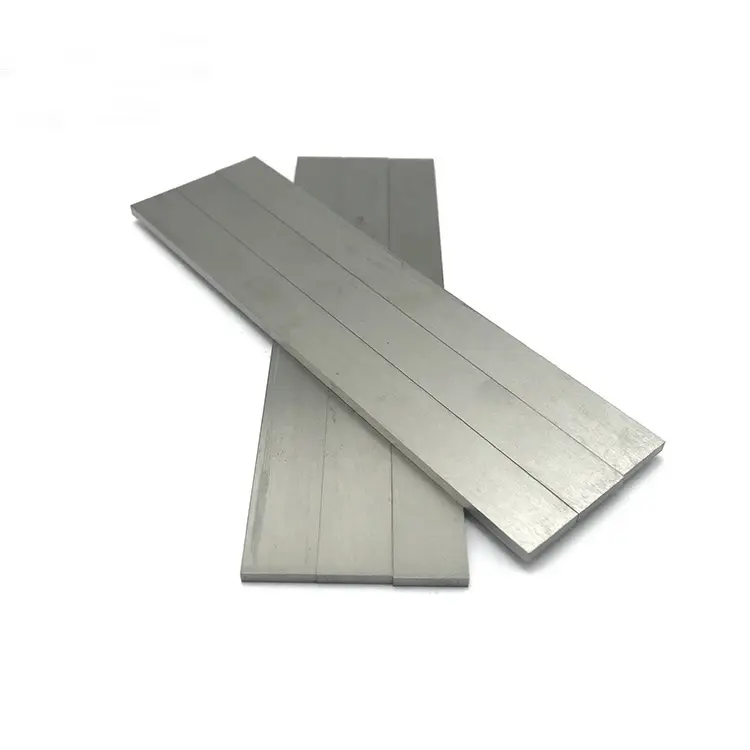
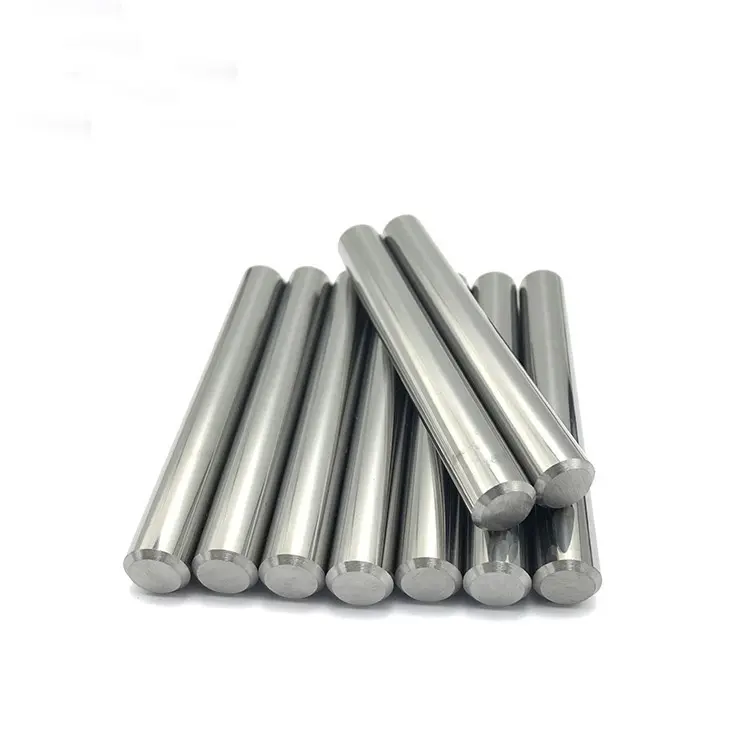
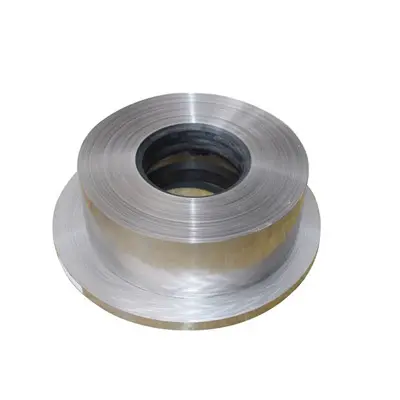
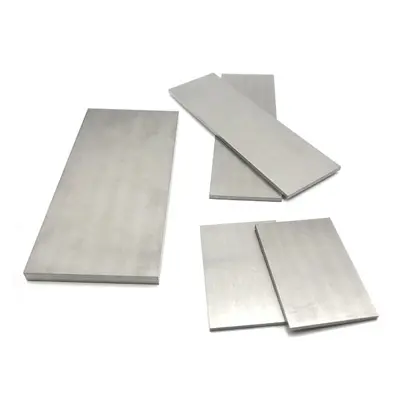
As a leading metallurgical authority and manufacturer in China, we at MWalloys are proud to present our premier product, Hastelloy Alloy B-3 (UNS N10675). This nickel-molybdenum alloy represents a significant advancement in the Hastelloy B family, offering exceptional resistance to hydrochloric acid at all concentrations and temperatures. We provide a comprehensive inventory of Alloy B-3 products to meet the rigorous demands of the chemical processing industry and beyond. Our extensive stock includes plates, sheets, bars, pipes, tubes, and coils, all available at direct factory prices. MWalloys is committed to supplying superior quality materials, certified to international standards, ensuring reliability and performance for our global clientele. Our vertically integrated manufacturing process allows for stringent quality control from melt to final product, guaranteeing that every piece of Hastellay B-3 we deliver meets the highest industry specifications.
What is Hastelloy Alloy B-3?
Hastelloy Alloy B-3, designated as UNS N10675, is a nickel-molybdenum alloy with a legacy of performance in highly corrosive environments. It is the third iteration in the "B" family of Hastelloy alloys, specifically engineered to address some of the shortcomings of its predecessors, Alloy B-2. The primary enhancement in Alloy B-3 is its significantly improved thermal stability, which greatly reduces the propensity for the precipitation of detrimental intermetallic phases in the heat-affected zones (HAZ) of welds.
This alloy exhibits outstanding resistance to non-oxidizing acids, particularly hydrochloric acid (HCl), at all concentrations and temperatures. Its performance in sulfuric, acetic, formic, and phosphoric acids is also remarkable. However, its use is generally not recommended in the presence of oxidizing media or when ferric or cupric salts are present, as these can lead to rapid corrosion failure. The low carbon content in Alloy B-3 is a critical feature, minimizing the precipitation of carbides at grain boundaries during welding, which preserves its corrosion resistance in the as-welded condition. This attribute allows for its use in many chemical process applications without the need for a subsequent solution heat treatment after welding, a significant advantage in terms of fabrication time and cost.
At MWalloys, we recognize that the utility of an alloy is not just in its inherent properties but also in its fabricability. Alloy B-3 demonstrates excellent formability and can be welded using common techniques. Its robustness against stress corrosion cracking and pitting corrosion in specific chemical environments makes it an indispensable material for constructing reactors, piping systems, and vessels that handle aggressive acidic media.
What is The Chemical Composition Of Hastelloy Alloy B-3?
The precise balance of elements in Hastelloy Alloy B-3 is fundamental to its specialized corrosion resistance and thermal stability. The high molybdenum content is the primary contributor to its exceptional performance in reducing acid environments. The nickel base provides a ductile, austenitic matrix. We meticulously control our manufacturing process to ensure the chemical composition of our Alloy B-3 meets the stringent requirements set forth by ASTM B333/B335 standards.
What are Hastelloy Alloy B-3 Mechanical Properties?
The mechanical properties of Hastelloy Alloy B-3 in the solution-annealed condition provide a combination of strength and ductility suitable for demanding industrial applications. These properties are maintained over a considerable temperature range, although, like many nickel alloys, it is susceptible to embrittlement at elevated temperatures due to phase precipitation. We ensure our products conform to the typical mechanical properties listed below, which are representative of material tested at room temperature.
These are typical values and should not be used for specification purposes. Refer to relevant ASTM standards for minimum and maximum values.
What is the Specification of Hastelloy Alloy B-3?
To ensure global interoperability and quality assurance, Hastelloy Alloy B-3 is manufactured and supplied in accordance with internationally recognized standards. At MWalloys, we produce our materials to meet or exceed these specifications, providing our customers with certified products for critical applications.
What does Hastelloy Alloy B-3 stand for?
The name "Hastelloy" is a registered trademark of Haynes International, Inc. The term itself is a portmanteau, likely derived from "Haste" (referring to the company's founder, Elwood Haynes) and "alloy." The "B" designation indicates that it belongs to the family of nickel-molybdenum alloys developed primarily for resistance to reducing acids. The "-3" signifies that it is the third generation in this specific alloy series. Each new generation represents an improvement over the last. Alloy B-3 was specifically developed to offer superior thermal stability compared to its predecessor, Alloy B-2, thereby enhancing its performance and reliability during and after fabrication processes like welding.
What is the density of Hastelloy Alloy B-3?
The density of a material is a critical physical property, essential for weight calculations in structural design and for determining material costs. The density of Hastelloy Alloy B-3 is similar to that of other nickel-based alloys.
What is the difference between Hastelloy Alloy B-3, G-30 and X?
Choosing the correct alloy for a specific application is crucial for safety, longevity, and cost-effectiveness. Hastelloy alloys B-3, G-30, and X are all high-performance nickel alloys, but they are designed for very different corrosive environments. Understanding their key distinctions is paramount for material selection.
What is a Hastelloy Alloy B-3 used for?
The unique properties of Hastelloy Alloy B-3 make it the material of choice for a range of severe service applications, primarily within the chemical processing industry. Its unparalleled resistance to hydrochloric acid is its most celebrated attribute. Common applications include:
- Chemical Reactors and Vessels: For processes involving pure hydrochloric, sulfuric, and phosphoric acids where oxidizing contaminants are not present.
- Piping Systems: Transporting aggressive reducing acids safely and reliably.
- Pharmaceutical Production: In the synthesis of pharmaceuticals and fine chemicals where product purity and corrosion resistance are critical.
- Acetic Acid Production: Resisting corrosion in the manufacturing process of acetic acid.
- Agrochemicals: Handling corrosive intermediates in the production of pesticides and herbicides.
- Phenol Alkylation: Utilized in the production of alkylated phenols.
It is critical to note that the presence of oxidizing agents, such as ferric or cupric ions, can dramatically accelerate the corrosion of Alloy B-3. Therefore, a thorough analysis of the process stream chemistry is essential before specifying this alloy.
What is Hastelloy Alloy B-3 classification?
Hastelloy Alloy B-3 falls under several material classifications:
- By Alloy System: It is a Nickel-Molybdenum Alloy.
- By Performance: It is classified as a Corrosion-Resistant Alloy (CRA) or a High-Performance Alloy (HPA).
- By Microstructure: It has a face-centered cubic (FCC) austenitic microstructure.
- By Standard: It is identified by its UNS number, N10675, and by various ASTM and ASME specifications depending on the product form.
These classifications help engineers, designers, and procurement specialists to categorize and select the material based on its fundamental characteristics and intended service.
What is equivalent to Hastelloy B-3 material?
While "Hastelloy" is a trademark, other manufacturers produce nickel-molybdenum alloys with compositions equivalent to UNS N10675. These materials are designed to meet the same industry standards and offer comparable performance. Some common equivalent designations include:
- UNS: N10675
- Werkstoff Nr.: 2.4600
- Common Trade Names: While Hastelloy B-3 is the most recognized name, other producers might market it under their own branding, but they will typically reference the UNS N10675 designation for direct comparison.
When considering an equivalent material, it is crucial to verify that it has been manufactured and tested in strict accordance with the relevant ASTM or ASME standards to ensure it possesses the required chemical composition, mechanical properties, and corrosion resistance. At MWalloys, we guarantee our UNS N10675 meets all the requirements of the Hastelloy B-3 grade.
Global Market Prices 2025 Comparison
The price of high-performance alloys like Hastelloy B-3 is subject to fluctuations based on the market prices of their primary constituent elements, particularly nickel and molybdenum. Global supply chain dynamics, energy costs, and demand from key industrial sectors also play a significant role. The following table provides an estimated comparison for 2025, reflecting the relative cost structures of these alloys. Prices are for illustrative purposes and will vary based on product form, quantity, and supplier.
Disclaimer: These are forward-looking estimates based on current market trends and are subject to change.
Can Hastelloy Alloy B-3 be welded?
Yes, Hastelloy Alloy B-3 can be readily welded using various common methods. Its enhanced thermal stability over Alloy B-2 makes it far less susceptible to ductility loss in the heat-affected zone (HAZ). This is a significant advantage, as it allows for fabrication without the immediate need for a full solution anneal after welding in many cases, though this depends on the specifics of the application.
Recommended welding techniques include:
- Gas Tungsten Arc Welding (GTAW / TIG)
- Gas Metal Arc Welding (GMAW / MIG)
- Shielded Metal Arc Welding (SMAW / Stick)
Using a matching filler metal (ERNiMo-10 for GTAW/GMAW, ENiMo-10 for SMAW) is essential to ensure the weld deposit has corrosion resistance and mechanical properties comparable to the base metal. Proper joint preparation, cleaning to remove any contaminants, and control of interpass temperature are critical for achieving high-quality welds. While preheating is generally not required, post-weld heat treatment may be considered for extremely severe service conditions to relieve residual stresses and homogenize the microstructure, though the improved stability of B-3 often makes this unnecessary.
Advantages of Hastelloy Alloy B-3
The selection of Alloy B-3 for critical applications is driven by a unique set of advantages:
- Exceptional Corrosion Resistance: Unmatched resistance to hydrochloric acid across all concentrations and temperatures, along with excellent performance in other non-oxidizing acids.
- Improved Thermal Stability: Greatly reduced precipitation of embrittling phases compared to Alloy B-2, leading to better ductility in the as-welded condition.
- Enhanced Fabricability: The improved stability allows for more straightforward welding and fabrication procedures, reducing the risk of post-fabrication cracking and the need for immediate heat treatment.
- Resistance to Stress Corrosion Cracking (SCC): Exhibits high resistance to chloride-induced SCC.
- Pitting and Crevice Corrosion Resistance: Strong performance in specific non-oxidizing environments.
The MWalloys Manufacturing Process
At MWalloys, our production of Hastelloy Alloy B-3 is a meticulously controlled process designed to yield a product of the highest quality and consistency.
- Raw Material Selection: We begin by sourcing premium-quality raw materials, including high-purity nickel, molybdenum, and other alloying elements. Each raw material lot is certified for its chemical composition.
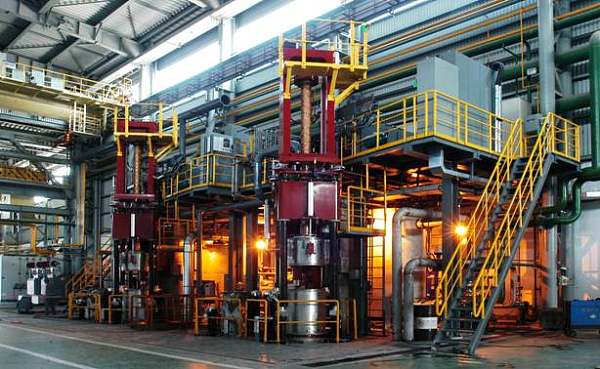
- Melting: The materials are melted in our state-of-the-art Vacuum Induction Melting (VIM) furnaces. This process removes dissolved gases and impurities, ensuring a clean and precise chemical composition. For even higher purity, a secondary remelting process like Electroslag Remelting (ESR) or Vacuum Arc Remelting (VAR) is employed.
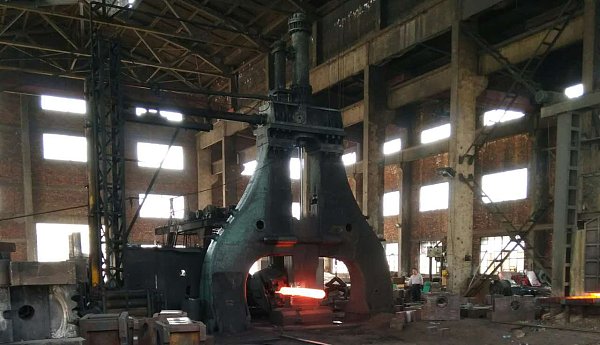
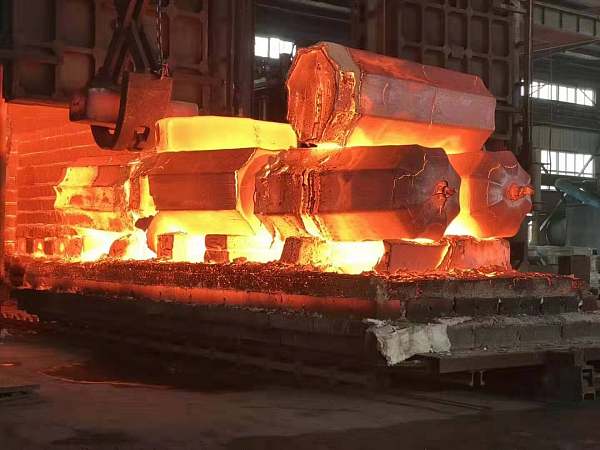
- Ingot Casting and Forging: The molten alloy is cast into ingots, which are then hot-worked through forging or rolling. This step breaks down the as-cast structure, refines the grain size, and improves mechanical properties.
- Solution Annealing: The hot-worked material is subjected to a high-temperature solution anneal followed by rapid quenching. This critical step dissolves any detrimental secondary phases, creates a uniform austenitic microstructure, and maximizes corrosion resistance.
- Finishing and Testing: The annealed material is then processed into its final form (plate, bar, etc.). Throughout the process, and on the final product, we conduct rigorous testing, including chemical analysis, tensile testing, hardness testing, and non-destructive examination (NDE) like ultrasonic testing, to ensure it meets all specified standards.
- Certification and Traceability: Every product we ship is accompanied by a Material Test Certificate (MTC) in accordance with EN 10204 3.1, providing full traceability back to the original melt.
Procurement Case Study: A Brazilian Chemical Plant
Client: A major chemical manufacturer in Camaçari, Brazil.
Challenge: The client was experiencing repeated failures in a stainless steel 316L piping system used to transport a heated hydrochloric acid solution as part of their production of a specialty chemical. The failures were causing costly downtime and safety concerns.
Solution: The plant's engineering team contacted MWalloys seeking a permanent material solution. Our technical experts analyzed their process conditions—specifically, the concentration and temperature of the HCl, and the potential for contaminants. Given the absence of significant oxidizing agents, we recommended a complete replacement of the affected piping sections with Hastelloy Alloy B-3 (UNS N10675).
Implementation: MWalloys supplied 300 meters of seamless Alloy B-3 pipe and 50 corresponding fittings. We provided comprehensive documentation, including MTCs and welding guidelines. Our logistics team managed the export process, ensuring timely and compliant delivery to the port of Salvador. We also provided remote technical support to their local fabrication contractor during the installation and welding process.
Outcome: Since the installation of the Hastelloy Alloy B-3 system over two years ago, the client has reported zero corrosion-related failures. The system's integrity has eliminated unplanned shutdowns, significantly improving plant productivity and safety. The initial investment in the higher-grade alloy resulted in a substantial return through the avoidance of maintenance costs and lost production revenue.
Frequently Asked Questions (FAQ)
1. What is the main difference between Hastelloy B-2 and B-3?
The primary difference is thermal stability. Alloy B-3 was designed to have significantly better resistance to the precipitation of detrimental intermetallic phases (like Ni4Mo) at the intermediate temperatures (650-850°C) often encountered in the heat-affected zones of welds. This means Alloy B-3 retains its ductility and corrosion resistance in the as-welded condition much better than Alloy B-2.
2. Can I use Hastelloy B-3 in seawater applications?
While Hastelloy B-3 has good general corrosion resistance, it is not the ideal choice for seawater, which is an oxidizing environment due to the presence of dissolved oxygen. The lack of chromium in Alloy B-3 makes it susceptible to attack in oxidizing media. Alloys with higher chromium content, such as Hastelloy C-276 or C-22, are far better suited for seawater applications.
3. Is Hastelloy B-3 magnetic?
No, Hastelloy B-3 is non-magnetic in the annealed condition. Like other austenitic nickel-based alloys, it has a face-centered cubic crystal structure, which is not ferromagnetic. Some slight magnetism may be induced by severe cold working, but this is not typical for its intended applications.
4. What is the maximum service temperature for Alloy B-3?
While Alloy B-3 possesses good mechanical properties at elevated temperatures, its long-term use is generally limited to below approximately 800°F (427°C). Above this temperature, the alloy can become susceptible to the formation of embrittling phases over time, which would compromise its ductility and corrosion resistance at room temperature. Its primary application is based on aqueous corrosion resistance, not high-temperature strength like Hastelloy X.
5. Why is Hastelloy B-3 so expensive compared to stainless steel?
The cost is directly related to its composition and manufacturing process. Alloy B-3 contains a very high percentage of two expensive metals: nickel and molybdenum. In contrast, 316L stainless steel has significantly lower amounts of these elements. Furthermore, the melting, refining, and processing of Hastelloy B-3 require more specialized equipment and stringent controls (like vacuum melting) to achieve the required purity and properties, adding to the overall cost. The cost reflects its exceptional performance in severe environments where stainless steel would fail rapidly.
Authoritative References
- ASTM B333 / B333M - 24: Standard Specification for Nickel-Molybdenum Alloy Plate, Sheet, and Strip
- Wikipedia - Hastelloy
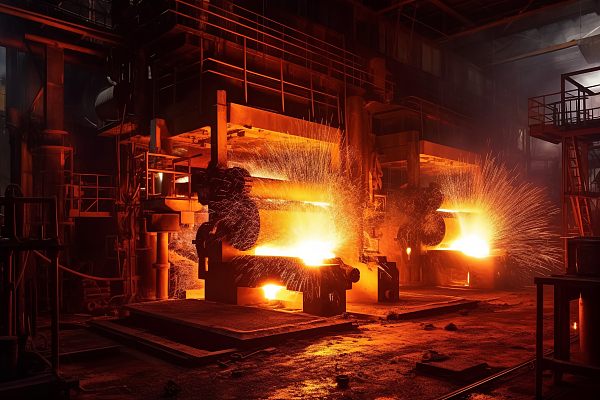
◉ Factory Show
◉ MESSAGE
◉ SIMILAR RECOMMENDED
/ Supermendur /1J22/ Permendur/49КФ/AFK502/Co50V2") Hiperco 50 (1J22)/ Supermendur /1J22/ Permendur/49КФ/AFK502/Co50V2
Hiperco 50 (1J22)/ Supermendur /1J22/ Permendur/49КФ/AFK502/Co50V2/ Supermendur /1J22/ Permendur/49КФ/AFK502/Co50V2-1 Tube Pipe") Hiperco 50 Tube Pipe (1J22)/ Supermendur /1J22/ Permendur/49КФ/AFK502/Co50V2-1 Tube Pipe
Hiperco 50 Tube Pipe (1J22)/ Supermendur /1J22/ Permendur/49КФ/AFK502/Co50V2-1 Tube Pipe/ Supermendur /1J22/ Permendur/49КФ/AFK502/Co50V2-1 Bar Rod") Hiperco 50 Bar Rod (1J22)/ Supermendur /1J22/ Permendur/49КФ/AFK502/Co50V2-1 Bar Rod
Hiperco 50 Bar Rod (1J22)/ Supermendur /1J22/ Permendur/49КФ/AFK502/Co50V2-1 Bar Rod/Russia 50H/1J50 Strip Ring") NiFe Alloy 50 Strip Ring (1J50)/Russia 50H/1J50 Strip Ring
NiFe Alloy 50 Strip Ring (1J50)/Russia 50H/1J50 Strip Ring/Russia 50H/1J50 Tube Pipe") NiFe Alloy 50 Tube Pipe (1J50)/Russia 50H/1J50 Tube Pipe
NiFe Alloy 50 Tube Pipe (1J50)/Russia 50H/1J50 Tube Pipe/Russia 50H/1J50 Bar Rod") NiFe Alloy 50 Bar Rod (1J50)/Russia 50H/1J50 Bar Rod
NiFe Alloy 50 Bar Rod (1J50)/Russia 50H/1J50 Bar Rod/Russia 50H/1J50 Sheet Plate") NiFe Alloy 50 Sheet Plate (1J50)/Russia 50H/1J50 Sheet Plate
NiFe Alloy 50 Sheet Plate (1J50)/Russia 50H/1J50 Sheet Plate Su Permalloy 1J85 /UNS N14080,GB/T 32286.1-2015 Bar Tube Pipe Wire
 Su Permalloy 1J85 Tube Pipe /UNS N14080,GB/T 32286.1-2015 Tube Pipe
 Su Permalloy 1J85 Sheet Pipe /UNS N14080,GB/T 32286.1-2015 Sheet Pipe
 Su Permalloy 1J85 Bar Rod /UNS N14080 GB/T 32286.1-2015 Bar Rod
 Wire Strip /UNS N14080,GB/T 32286.1-2015 Wire Strip") Permalloy Alloy 80(1J79) Wire Strip /UNS N14080,GB/T 32286.1-2015 Wire Strip
Permalloy Alloy 80(1J79) Wire Strip /UNS N14080,GB/T 32286.1-2015 Wire Strip Tube Pipe /UNS N14080,GB/T 32286.1-2015 Tube Pipe") Permalloy Alloy 80(1J79) Tube Pipe /UNS N14080,GB/T 32286.1-2015 Tube Pipe
Permalloy Alloy 80(1J79) Tube Pipe /UNS N14080,GB/T 32286.1-2015 Tube Pipe Sheet Plate /UNS N14080,GB/T 32286.1-2015 Sheet Plate") Permalloy Alloy 80(1J79) Sheet Plate /UNS N14080,GB/T 32286.1-2015 Sheet Plate
Permalloy Alloy 80(1J79) Sheet Plate /UNS N14080,GB/T 32286.1-2015 Sheet Plate Bar Rod /UNS N14080,GB/T 32286.1-2015 Bar Rod") Permalloy Alloy 80(1J79) Bar Rod /UNS N14080,GB/T 32286.1-2015 Bar Rod
Permalloy Alloy 80(1J79) Bar Rod /UNS N14080,GB/T 32286.1-2015 Bar Rod 4J42 Ring Strip UNS K94100 /W. Nr.1.3917 ASTM F30 precision iron-nickel alloy Ring Strip
 4J42 Tube Pipe UNS K94100 /W. Nr.1.3917 ASTM F30 precision iron-nickel alloy Tube Pipe
 4J42 Bar Rod UNS K94100 /W. Nr.1.3917 ASTM F30 precision iron-nickel alloy Bar Rod
 4J42 UNS K94100 /W. Nr.1.3917 ASTM F30 precision iron-nickel alloy
 Super Invar 32-5/4J32/K93500/Super Invar Tube Bar Rod Sheet
 Super Invar 32-5 Sheet Plate 4J32/K93500/Super Invar Sheet Plate
Thank you very much for writing to us. Please leave your message and contact information, we will reply to you within 24 hours.