
MESSAGE
If you have any questions, please contact us and we will contact you as soon as possible.
‹
›
‹
›
◉ PRODUCT SPECIFICATION
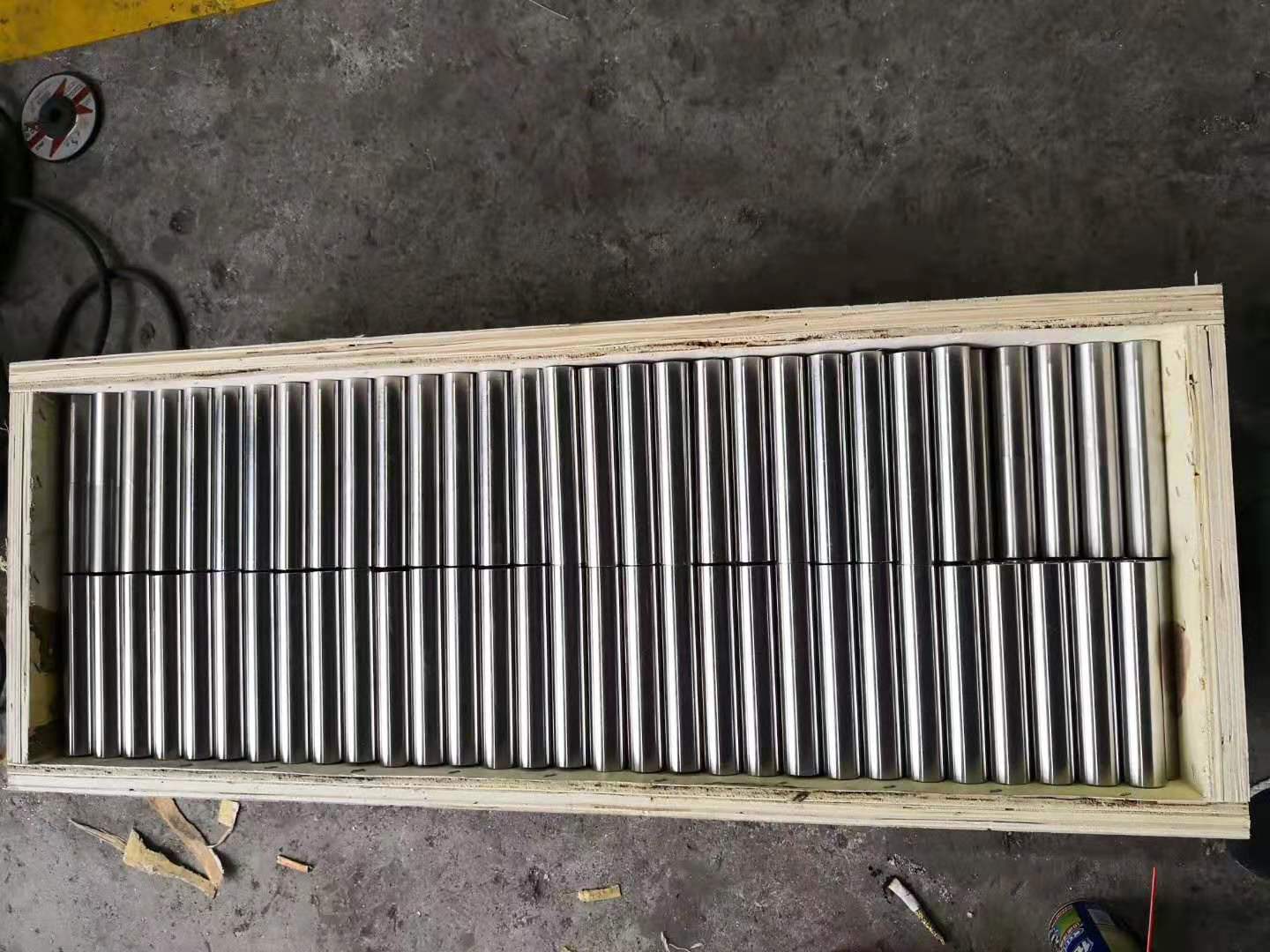
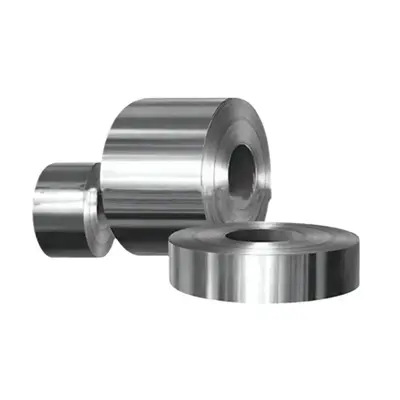
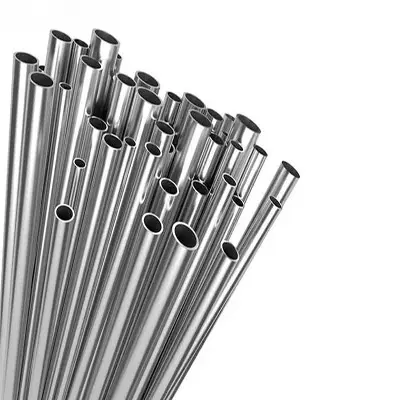
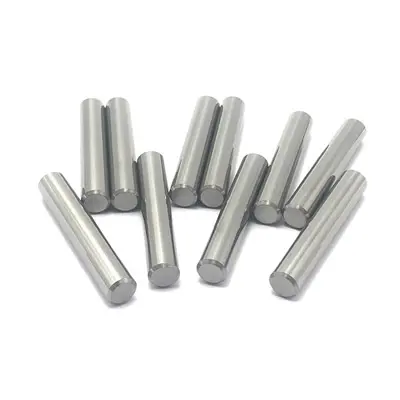
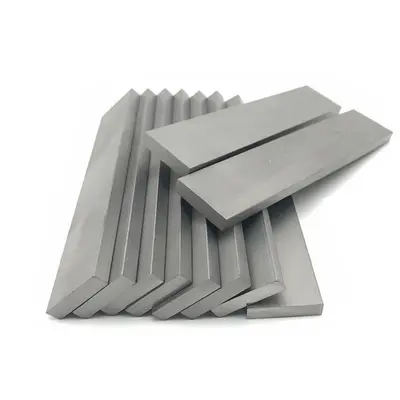
MWalloys stands as China's premier manufacturer and direct supplier of Hastelloy Alloy B-2 products, offering comprehensive solutions including plates, bars, tubes, and coils at competitive factory-direct pricing. Our manufacturing facility provides immediate access to this exceptional nickel-molybdenum superalloy, ensuring reliable supply chains for industries requiring superior corrosion resistance in reducing environments. With decades of metallurgical expertise, we deliver certified materials meeting international standards while maintaining cost-effective solutions for global markets.
What is Hastelloy Alloy B-2?
Hastelloy® Alloy B-2 is a nickel-molybdenum alloy designed for outstanding resistance to severe reducing conditions, particularly those containing sulfuric and phosphoric acids. First introduced in the 1960s, B-2 exhibits excellent corrosion resistance in high-temperature chloride environments, making it a material of choice for chemical processing equipment. We appreciate its stability in both aerated and deaerated sulfuric acid, especially at temperatures up to 315 °C.
The alloy's unique composition centers around a nickel matrix heavily fortified with molybdenum, creating extraordinary resistance to hydrochloric acid, sulfuric acid, and various reducing chemicals. Unlike conventional stainless steels that fail rapidly in such environments, Hastelloy B-2 maintains structural integrity and surface stability even under extreme conditions.
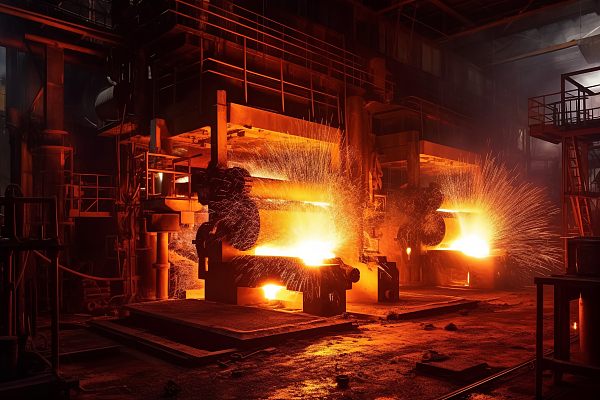
Manufacturing this superalloy requires precise control of chemistry and processing parameters. We utilize advanced vacuum melting techniques followed by controlled hot working to achieve optimal microstructural characteristics. The resulting material exhibits uniform grain structure and consistent mechanical properties throughout the cross-section.
Temperature stability constitutes another critical advantage of Hastelloy B-2. The alloy maintains its corrosion resistance and mechanical strength across a broad temperature range, making it suitable for both ambient and elevated temperature applications. This thermal stability results from careful alloying additions that prevent harmful phase formation during service.
What is The Chemical Composition Of Hastelloy Alloy B-2?
The chemical composition reflects decades of metallurgical optimization. Molybdenum content between 26-30% provides the primary mechanism for corrosion resistance in reducing acids. Chromium remains intentionally low to prevent formation of oxidizing environment resistance that could compromise performance in reducing conditions.
Carbon content receives strict control below 0.02% to prevent carbide precipitation that would reduce corrosion resistance and impact mechanical properties. This ultra-low carbon specification requires careful melting practices and precise alloy additions during manufacturing.
Residual elements like iron, cobalt, and other trace metals remain tightly controlled to maintain alloy purity and performance consistency. These specifications ensure reproducible properties and reliable service performance across different heat treatments and applications.
What are Hastelloy Alloy B-2 Mechanical Properties?
These mechanical properties result from the alloy's unique microstructure and composition. The combination of high tensile strength with excellent ductility makes Hastelloy B-2 suitable for complex forming operations while maintaining structural integrity under stress.
Temperature effects on mechanical properties follow predictable patterns. Strength values decrease gradually with increasing temperature, while ductility generally improves. This behavior allows for reliable design calculations across the alloy's service temperature range.
Work hardening characteristics enable significant strength increases through cold working operations. However, we typically recommend solution annealing after extensive cold work to restore optimal corrosion resistance and prevent stress-corrosion cracking susceptibility.
What is the Specification of Hastelloy Alloy B-2?
International specifications ensure consistent quality and performance standards across global markets. ASTM specifications provide comprehensive coverage for different product forms, while ASME codes enable pressure vessel applications.
European standards like DIN 2.4617 facilitate market access in EU countries, ensuring compliance with local regulations and customer requirements. These specifications include detailed chemical composition limits, mechanical property requirements, and testing procedures.
Quality assurance requirements vary by specification but typically include chemical analysis, mechanical testing, and dimensional verification. Certificate requirements range from manufacturer's test certificates to independent third-party validation depending on application criticality.
What does Hastelloy Alloy B-2 stand for?
Hastelloy Alloy B-2 designation carries specific metallurgical significance within the broader Hastelloy family nomenclature. The "B" series indicates primary optimization for reducing environment applications, distinguishing it from "C" series alloys designed for oxidizing conditions.
The numeric suffix "2" represents the second generation of B-series development, incorporating improvements over the original Hastelloy B composition. These enhancements include tighter chemistry control, improved melting practices, and optimized processing parameters.
Historical development began with Hastelloy B in the 1930s, followed by evolutionary improvements leading to B-2 in the 1970s. Each iteration addressed specific performance limitations while maintaining the core reducing environment resistance characteristics.
Within Haynes International's product portfolio, this designation system enables clear communication of alloy capabilities and intended applications. Engineers can quickly identify suitable materials based on environmental conditions and performance requirements using this systematic approach.
What is the density of Hastelloy Alloy B-2?
Density calculations prove essential for engineering applications involving weight considerations, buoyancy effects, and structural loading analysis. The relatively high density reflects the significant molybdenum content, which contributes substantially to the alloy's mass.
Temperature dependence follows typical metallic behavior with density decreasing as thermal expansion occurs. These values enable accurate calculations for thermal stress analysis and dimensional stability predictions in temperature-cycling applications.
Comparative density analysis shows Hastelloy B-2 as heavier than conventional stainless steels but lighter than tungsten-containing superalloys. This positioning provides favorable strength-to-weight ratios for many chemical processing applications.
What is the difference between Hastelloy Alloy B-2, G-30 and Hastelloy X?
These three alloys represent different optimization strategies within the Hastelloy family. B-2 focuses exclusively on reducing environment performance, sacrificing oxidation resistance for superior acid resistance. G-30 provides balanced performance in mixed environments, while X prioritizes high-temperature oxidation resistance.
Application selection depends heavily on specific environmental conditions. Chemical processing involving hydrochloric or sulfuric acids strongly favors B-2, while mixed acid environments may benefit from G-30's broader resistance profile. High-temperature applications in oxidizing atmospheres require X-series materials.
Economic considerations also influence material selection. B-2's high molybdenum content creates premium pricing, making careful application evaluation essential for cost-effective solutions. We recommend detailed corrosion testing when environmental conditions fall between alloy optimization ranges.
What is a Hastelloy Alloy B-2 used for?
Chemical processing industries rely heavily on Hastelloy B-2 for critical applications involving aggressive reducing environments. Hydrochloric acid service represents the primary application area, where conventional materials fail rapidly due to severe corrosion attack.
Pharmaceutical manufacturing utilizes this alloy for reactor vessels, heat exchangers, and piping systems handling corrosive intermediates and final products. The alloy's stability prevents contamination issues that could compromise product quality and regulatory compliance.
Petrochemical applications include catalyst recovery systems, hydroprocessing equipment, and sour gas handling systems. The alloy's resistance to sulfur-containing compounds makes it valuable for refinery operations dealing with high-sulfur crude oils.
Pollution control systems employ Hastelloy B-2 for scrubber components, particularly in applications involving acidic waste streams. The material's durability reduces maintenance requirements and extends equipment service life in these challenging environments.
Specialty applications encompass research equipment, laboratory apparatus, and pilot plant components where material reliability is paramount. The alloy's consistent performance enables accurate experimental results and reliable process development.
What is Hastelloy Alloy B-2 classification?
Metallurgical classification places Hastelloy B-2 within the nickel-molybdenum superalloy category, specifically designed for reducing environment service. This classification reflects the alloy's unique composition and performance characteristics compared to other high-performance materials.
Crystal structure analysis reveals a face-centered cubic (FCC) austenitic matrix, providing excellent ductility and formability characteristics. This structure remains stable across the alloy's service temperature range, preventing brittle phase formation that could compromise performance.
Corrosion resistance classification emphasizes performance in reducing acids, particularly hydrochloric and sulfuric acid environments. The alloy receives excellent ratings for these conditions while showing limited performance in oxidizing environments due to low chromium content.
Temperature service classification typically ranges from cryogenic applications up to approximately 650°C (1200°F). Beyond this temperature, oxidation resistance becomes inadequate for most applications, requiring alternative material selection.
International classification systems including UNS N10665, DIN 2.4617, and various national standards provide consistent identification across global markets. These systems ensure proper material specification and quality assurance regardless of geographic location.
What is equivalent to Hastelloy B-2 material?
Direct equivalency to Hastelloy B-2 remains limited due to its specialized composition and performance characteristics. However, several materials provide similar performance in specific applications or environments.
Inconel 686 offers comparable corrosion resistance in many reducing acid applications, though with different mechanical properties and temperature capabilities. This alternative may prove suitable when B-2 availability or cost considerations create challenges.
Hastelloy B-3 represents the next generation evolution, providing improved thermal stability and wider temperature range capability. While more expensive, B-3 offers enhanced performance for demanding applications requiring extended temperature exposure.
Custom alloy solutions from specialty manufacturers may provide tailored compositions for specific applications. These alternatives require extensive testing and qualification but can offer optimized performance for unique environmental conditions.
When direct equivalents prove unavailable, material selection typically involves compromise between corrosion resistance, mechanical properties, and economic factors. We recommend comprehensive testing programs when considering alternative materials for critical applications.
Global Market Prices 2025 Comparison
Global pricing reflects complex interactions between raw material costs, manufacturing capacity, and regional demand patterns. Molybdenum price volatility significantly impacts B-2 pricing due to the alloy's high molybdenum content.
Regional variations stem from transportation costs, local manufacturing capabilities, and market competition levels. Asian markets, particularly China, benefit from integrated supply chains and competitive manufacturing costs.
Market forecasts suggest continued price pressure from expanding applications in chemical processing and environmental protection systems. However, supply capacity increases should moderate price escalation compared to historical trends.
Can Hastelloy Alloy B-2 be welded?
Hastelloy B-2 exhibits excellent weldability when proper procedures and techniques are employed. The alloy's low carbon content and stable austenitic structure contribute to successful welding operations without hot cracking or other common superalloy welding problems.
Gas tungsten arc welding (GTAW/TIG) provides the most reliable results for critical applications. This process offers precise heat input control and excellent weld quality, making it suitable for pressure vessel and piping applications requiring full penetration welds.
Filler metal selection requires ERNiMo-1 specification material matching the base metal composition. Proper filler metal ensures weld metal corrosion resistance equals or exceeds base material performance in service environments.
Preheating typically remains unnecessary for most applications, though thick sections may benefit from modest preheat to reduce thermal stresses. Post-weld heat treatment recommendations depend on service conditions and code requirements.
Shielding gas purity proves critical for achieving optimal weld quality. Argon with less than 5 ppm oxygen and moisture prevents oxidation and ensures proper weld metal chemistry. Back purging requirements depend on thickness and service conditions.
Advantages of Hastelloy Alloy B-2
Superior corrosion resistance in reducing environments represents the primary advantage of Hastelloy B-2. This exceptional performance enables equipment operation in environments where conventional materials fail rapidly, reducing replacement costs and downtime.
High temperature stability allows continuous operation up to 650°C without significant property degradation. This capability expands application possibilities and enables process optimization in temperature-sensitive operations.
Excellent mechanical properties combine high strength with good ductility, enabling complex fabrication operations and reliable service performance. The alloy maintains these properties across its service temperature range.
Proven long-term reliability reduces maintenance requirements and extends equipment service life. Decades of successful field experience demonstrate consistent performance in demanding applications.
Comprehensive material specifications and quality standards ensure reliable supply and consistent performance. International recognition facilitates global procurement and reduces qualification requirements.
Manufacturing Process of Hastelloy Alloy B-2
Raw material preparation begins with high-purity nickel and molybdenum sources to ensure optimal alloy performance. Careful analysis and batching maintain tight chemistry control throughout the melting process.
Vacuum induction melting (VIM) creates the initial ingot while minimizing impurity pickup and ensuring homogeneous composition. Controlled melting parameters prevent segregation and achieve uniform microstructure.
Electroslag remelting (ESR) or vacuum arc remelting (VAR) further refines the ingot structure and removes remaining impurities. This secondary melting step ensures optimal cleanliness for critical applications.
Hot working operations including forging, rolling, or extrusion develop the final product form while maintaining proper grain structure. Temperature control during deformation prevents grain growth and ensures uniform properties.
Solution annealing at 1100-1150°C followed by rapid cooling produces the optimal microstructure for corrosion resistance and mechanical properties. This heat treatment dissolves any precipitates and provides maximum corrosion resistance.
Quality control testing includes chemical analysis, mechanical testing, and non-destructive examination to verify specification compliance. Complete documentation ensures traceability and customer confidence.
Case
Petrobras, Brazil's national oil company, required specialized materials for a new hydrodesulfurization unit designed to process high-sulfur crude oil. The project demanded exceptional corrosion resistance in sulfuric acid and hydrogen sulfide environments.
Initial material evaluation included conventional stainless steels and standard nickel alloys, but accelerated corrosion testing revealed inadequate performance for the 20-year design life requirement. Severe pitting and general corrosion rates exceeded acceptable limits.
MWalloys proposed Hastelloy B-2 based on extensive experience with similar applications and comprehensive corrosion data. Laboratory testing confirmed excellent performance in simulated service conditions with corrosion rates below 0.1 mm/year.
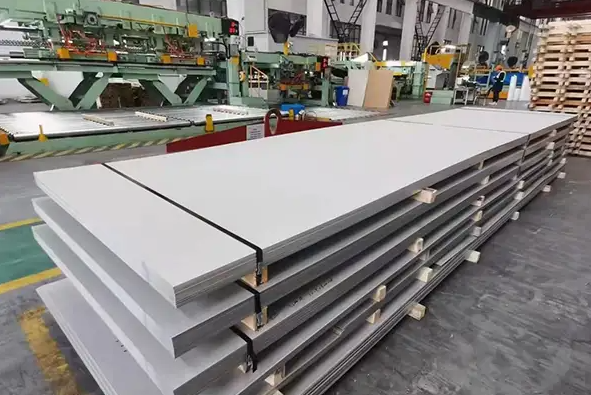
The procurement involved 150 tons of various product forms including 50mm thick plates for reactor vessels, seamless tubes for heat exchangers, and forged fittings for piping systems. Delivery schedule required 16 weeks to accommodate the project timeline.
Material certification included complete chemical analysis, mechanical testing per ASTM standards, and third-party verification of all test results. Special packaging ensured material protection during ocean transport from China to Santos port.
Successful installation and commissioning confirmed the material selection accuracy. After 18 months of operation, inspection revealed negligible corrosion and excellent service performance, validating the engineering analysis and procurement decision.
FAQ
Q1: What is the maximum operating temperature for Hastelloy B-2?
Hastelloy B-2 can operate continuously at temperatures up to 650°C (1200°F) in reducing environments. Above this temperature, oxidation resistance becomes inadequate due to the low chromium content. For higher temperature applications, consider Hastelloy X or similar high-temperature alloys optimized for oxidizing conditions.
Q2: Can Hastelloy B-2 resist both hydrochloric and sulfuric acid?
Yes, Hastelloy B-2 exhibits excellent resistance to both hydrochloric acid and sulfuric acid in various concentrations and temperatures. This dual acid resistance makes it particularly valuable in chemical processing applications involving mixed acid environments or sequential processing steps.
Q3: What welding procedures are recommended for Hastelloy B-2?
GTAW (TIG) welding provides optimal results using ERNiMo-1 filler metal. Maintain argon shielding gas purity below 5 ppm oxygen and moisture. No preheating is typically required, though thick sections may benefit from 150-200°C preheat. Post-weld solution annealing at 1100°C is recommended for critical applications.
Q4: How does Hastelloy B-2 compare to Inconel 625 in corrosion resistance?
Hastelloy B-2 provides superior performance in reducing acids like HCl and H₂SO₄, while Inconel 625 offers better oxidation resistance and broader temperature capability. Material selection depends on specific environmental conditions, with B-2 preferred for reducing acid service and 625 for mixed or oxidizing environments.
Q5: What are the standard product forms available for Hastelloy B-2?
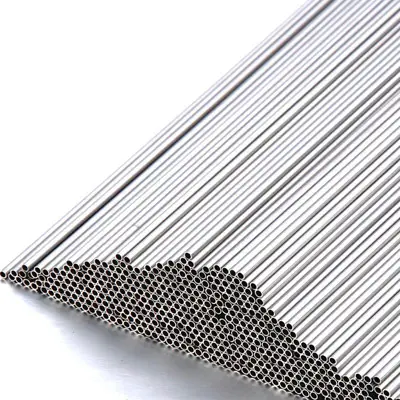
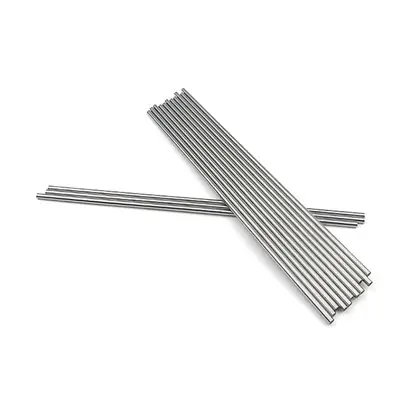
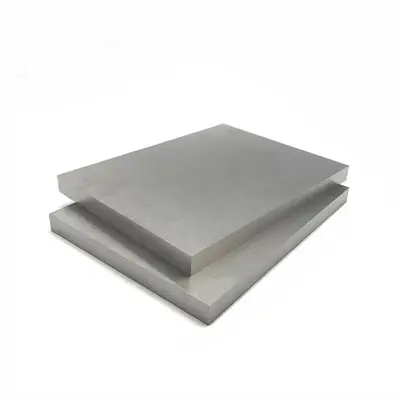
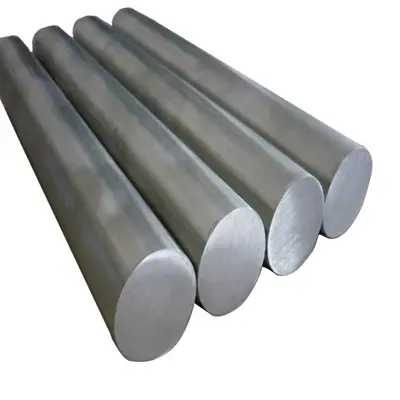
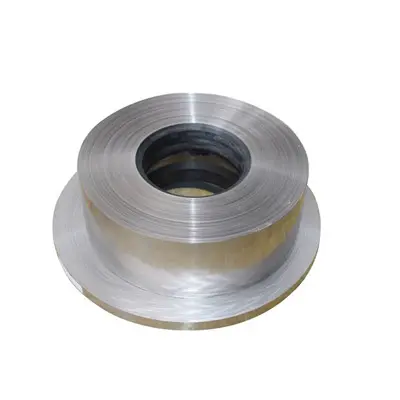
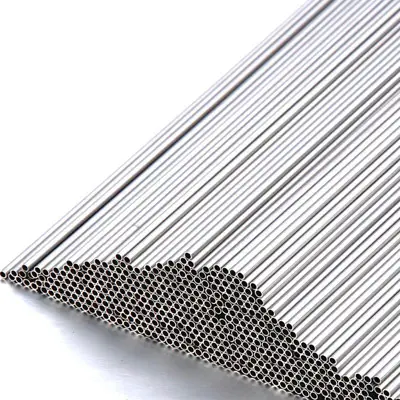
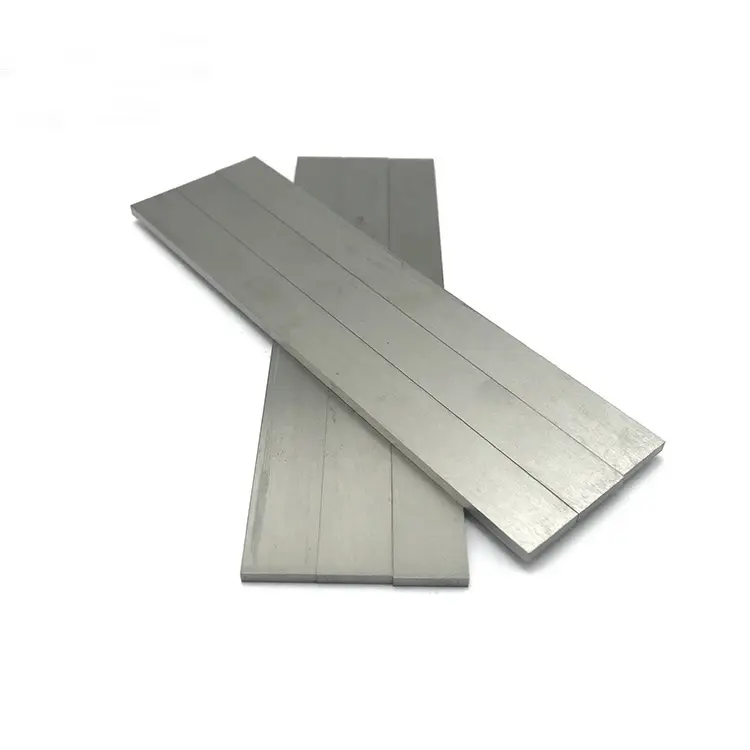
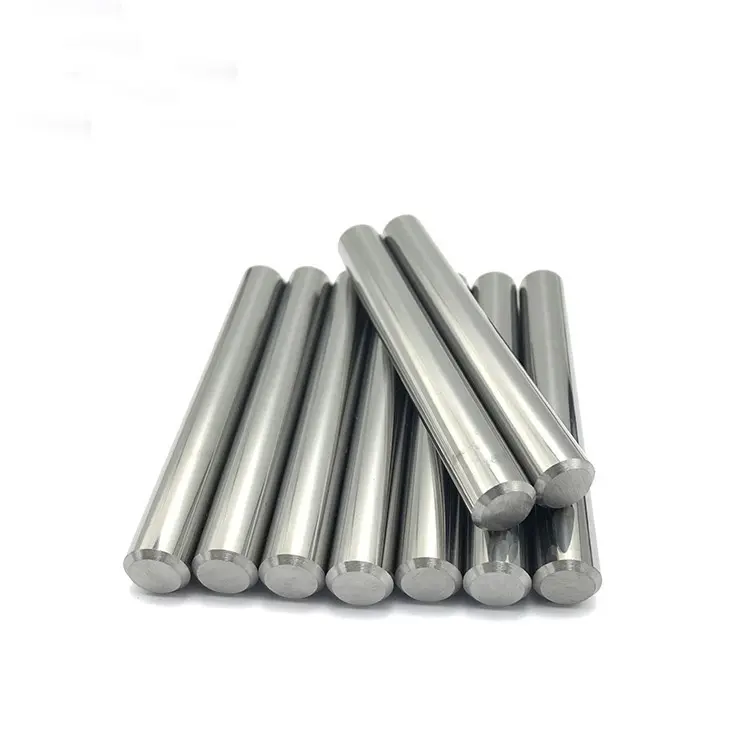
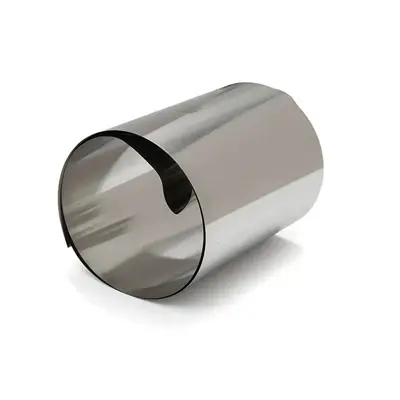
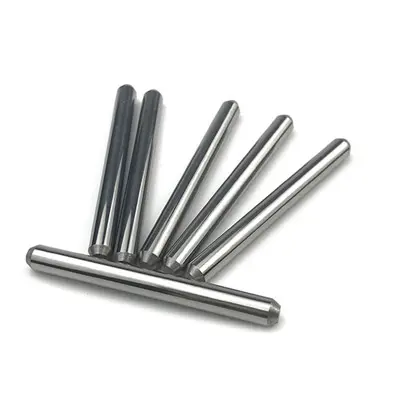
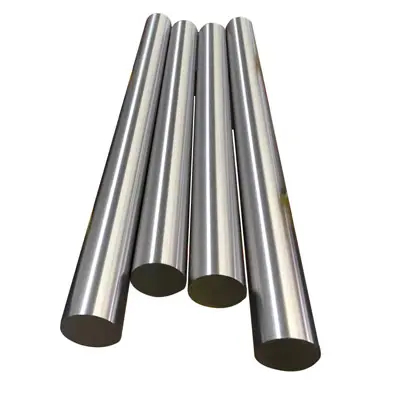
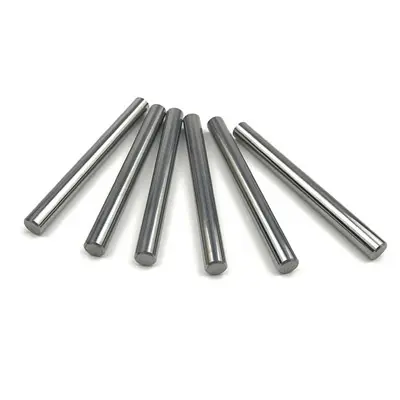
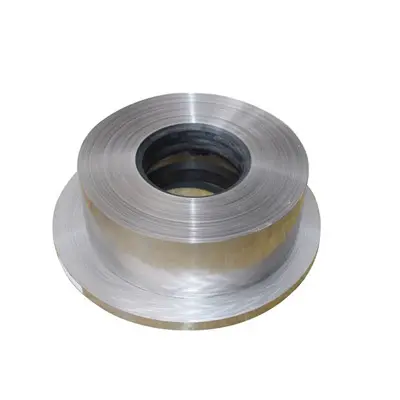
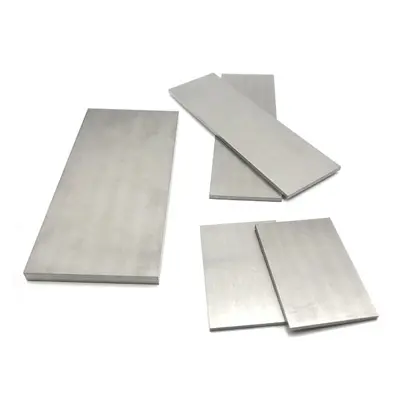
Standard product forms include plates, sheets, bars, rods, seamless tubes, welded tubes, forgings, and fittings. Custom dimensions and specialized products can be manufactured to meet specific application requirements. Lead times vary by product form and quantity, typically ranging from 6-16 weeks for standard specifications.
References
- ASTM B335 - Standard Specification for Nickel and Nickel Alloy Plate, Sheet, and Strip
- ASME SB-335 - Nickel and Nickel Alloy Plate for Pressure Vessels
- ISO 15156 - Petroleum and Natural Gas Industries - Materials for Sour Service
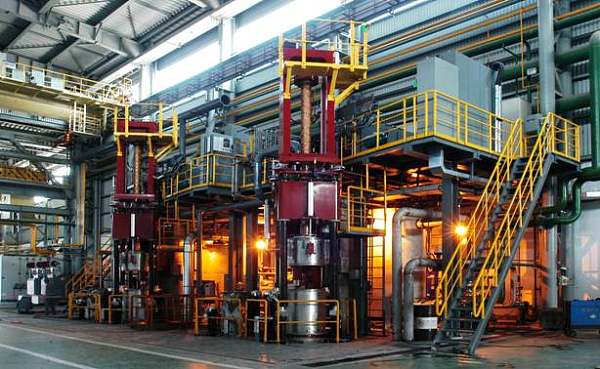
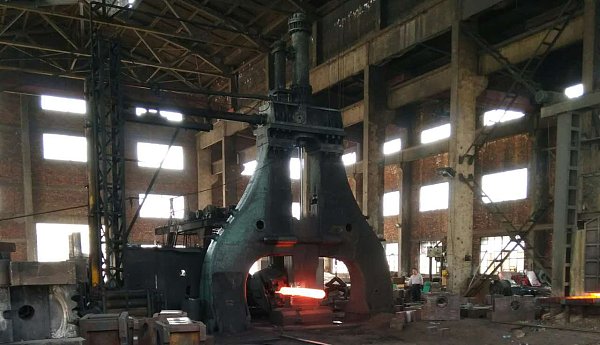
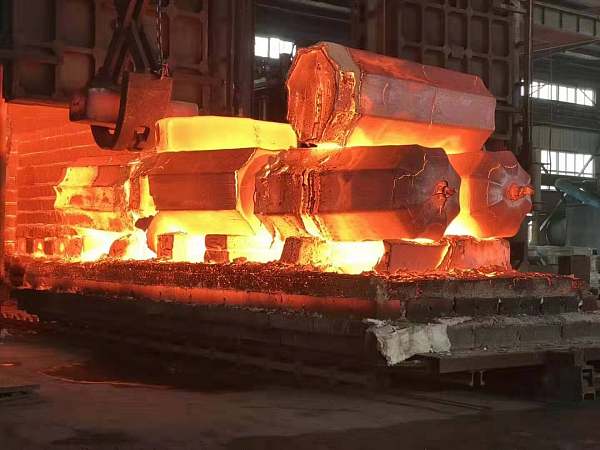
◉ Factory Show
◉ MESSAGE
◉ SIMILAR RECOMMENDED
/ Supermendur /1J22/ Permendur/49КФ/AFK502/Co50V2") Hiperco 50 (1J22)/ Supermendur /1J22/ Permendur/49КФ/AFK502/Co50V2
Hiperco 50 (1J22)/ Supermendur /1J22/ Permendur/49КФ/AFK502/Co50V2/ Supermendur /1J22/ Permendur/49КФ/AFK502/Co50V2-1 Tube Pipe") Hiperco 50 Tube Pipe (1J22)/ Supermendur /1J22/ Permendur/49КФ/AFK502/Co50V2-1 Tube Pipe
Hiperco 50 Tube Pipe (1J22)/ Supermendur /1J22/ Permendur/49КФ/AFK502/Co50V2-1 Tube Pipe/ Supermendur /1J22/ Permendur/49КФ/AFK502/Co50V2-1 Bar Rod") Hiperco 50 Bar Rod (1J22)/ Supermendur /1J22/ Permendur/49КФ/AFK502/Co50V2-1 Bar Rod
Hiperco 50 Bar Rod (1J22)/ Supermendur /1J22/ Permendur/49КФ/AFK502/Co50V2-1 Bar Rod/Russia 50H/1J50 Strip Ring") NiFe Alloy 50 Strip Ring (1J50)/Russia 50H/1J50 Strip Ring
NiFe Alloy 50 Strip Ring (1J50)/Russia 50H/1J50 Strip Ring/Russia 50H/1J50 Tube Pipe") NiFe Alloy 50 Tube Pipe (1J50)/Russia 50H/1J50 Tube Pipe
NiFe Alloy 50 Tube Pipe (1J50)/Russia 50H/1J50 Tube Pipe/Russia 50H/1J50 Bar Rod") NiFe Alloy 50 Bar Rod (1J50)/Russia 50H/1J50 Bar Rod
NiFe Alloy 50 Bar Rod (1J50)/Russia 50H/1J50 Bar Rod/Russia 50H/1J50 Sheet Plate") NiFe Alloy 50 Sheet Plate (1J50)/Russia 50H/1J50 Sheet Plate
NiFe Alloy 50 Sheet Plate (1J50)/Russia 50H/1J50 Sheet Plate Su Permalloy 1J85 /UNS N14080,GB/T 32286.1-2015 Bar Tube Pipe Wire
 Su Permalloy 1J85 Tube Pipe /UNS N14080,GB/T 32286.1-2015 Tube Pipe
 Su Permalloy 1J85 Sheet Pipe /UNS N14080,GB/T 32286.1-2015 Sheet Pipe
 Su Permalloy 1J85 Bar Rod /UNS N14080 GB/T 32286.1-2015 Bar Rod
 Wire Strip /UNS N14080,GB/T 32286.1-2015 Wire Strip") Permalloy Alloy 80(1J79) Wire Strip /UNS N14080,GB/T 32286.1-2015 Wire Strip
Permalloy Alloy 80(1J79) Wire Strip /UNS N14080,GB/T 32286.1-2015 Wire Strip Tube Pipe /UNS N14080,GB/T 32286.1-2015 Tube Pipe") Permalloy Alloy 80(1J79) Tube Pipe /UNS N14080,GB/T 32286.1-2015 Tube Pipe
Permalloy Alloy 80(1J79) Tube Pipe /UNS N14080,GB/T 32286.1-2015 Tube Pipe Sheet Plate /UNS N14080,GB/T 32286.1-2015 Sheet Plate") Permalloy Alloy 80(1J79) Sheet Plate /UNS N14080,GB/T 32286.1-2015 Sheet Plate
Permalloy Alloy 80(1J79) Sheet Plate /UNS N14080,GB/T 32286.1-2015 Sheet Plate Bar Rod /UNS N14080,GB/T 32286.1-2015 Bar Rod") Permalloy Alloy 80(1J79) Bar Rod /UNS N14080,GB/T 32286.1-2015 Bar Rod
Permalloy Alloy 80(1J79) Bar Rod /UNS N14080,GB/T 32286.1-2015 Bar Rod 4J42 Ring Strip UNS K94100 /W. Nr.1.3917 ASTM F30 precision iron-nickel alloy Ring Strip
 4J42 Tube Pipe UNS K94100 /W. Nr.1.3917 ASTM F30 precision iron-nickel alloy Tube Pipe
 4J42 Bar Rod UNS K94100 /W. Nr.1.3917 ASTM F30 precision iron-nickel alloy Bar Rod
 4J42 UNS K94100 /W. Nr.1.3917 ASTM F30 precision iron-nickel alloy
 Super Invar 32-5/4J32/K93500/Super Invar Tube Bar Rod Sheet
 Super Invar 32-5 Sheet Plate 4J32/K93500/Super Invar Sheet Plate
Thank you very much for writing to us. Please leave your message and contact information, we will reply to you within 24 hours.