
Why Nickel-Based Alloys Become the First Choice for Extreme Industrial Corrosion Conditions
Time : Aug 22, 2026
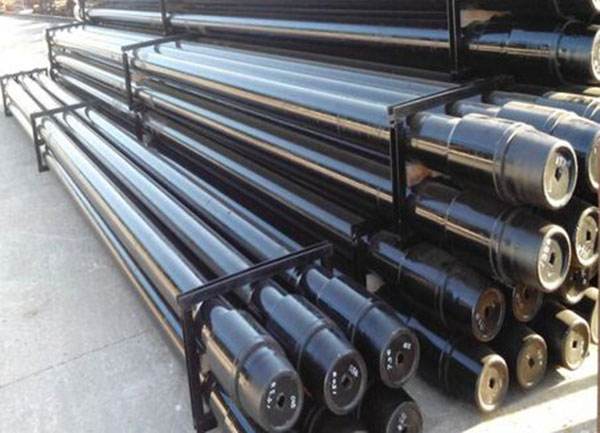
In modern heavy industries including oil and gas, chemical processing, energy power generation and marine engineering, ordinary carbon steel and stainless steel often fail to withstand long-term extreme working conditions such as high temperature, high pressure, strong acid and alkali corrosion, and salt spray erosion. Nickel-based special alloys represented by Hastelloy, Inconel, Incoloy, Monel and Nimonic have become irreplaceable core industrial materials by virtue of their unique metallurgical properties.
Nickel-based alloys take nickel as the main matrix and add chromium, molybdenum, copper, aluminum and other alloying elements. The optimized metal structure enables the materials to maintain stable mechanical strength, toughness and structural rigidity under harsh environments. Different from ordinary stainless steel that only has basic anti-rust performance, high-grade nickel alloys can resist complex corrosion media including hydrogen sulfide, carbon dioxide, chloride ions, strong oxidizing acid and seawater erosion.
In high-temperature working scenarios above 600℃, nickel-based alloys effectively avoid oxidation, creep deformation and performance attenuation, which perfectly solves the common problems of equipment aging, frequent replacement and high maintenance costs in traditional material applications. For global industrial manufacturers, choosing standardized and customized nickel alloy components is the key to extending equipment service life, reducing downtime losses and improving overall operational safety.
Previous page:Already the first
Next page:Already the last
Related Posts
Online Message
Danyang Jiaxin New Materials Technology Co., Ltd.
Thank you very much for writing to us. Please leave your message and contact information, we will reply to you within 24 hours.